
Dark Night of the Soul
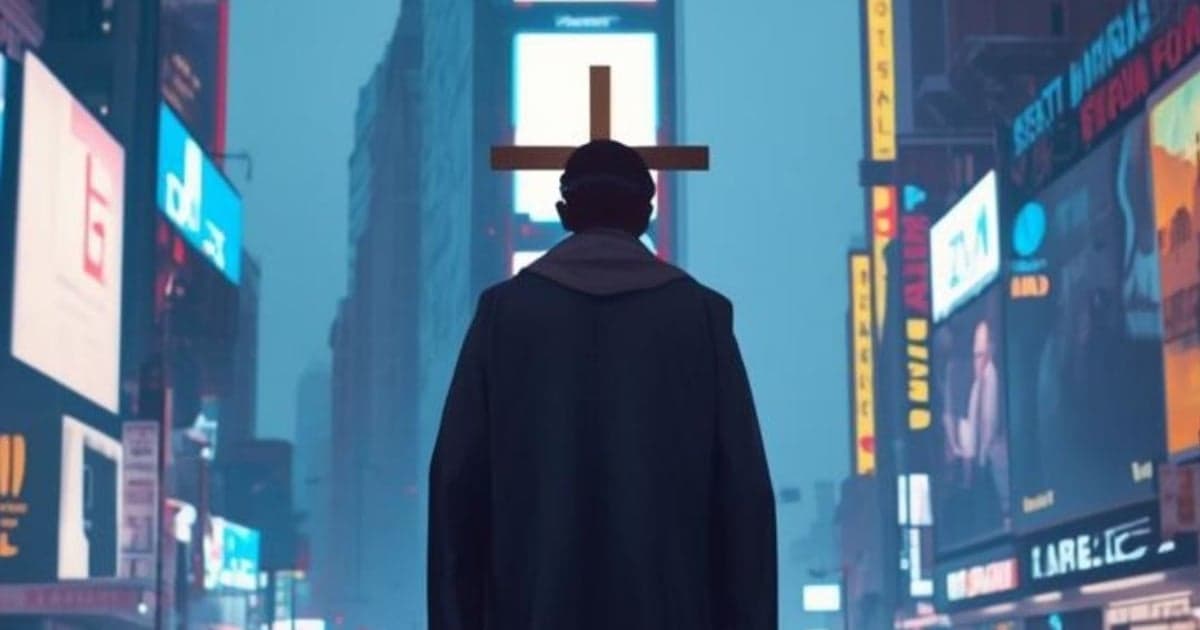
Saint John of the Cross
Essential truths through Dark Night of the Soul
Navigating Identity Crisis
Recognize when a title, practice, or reputation stops answering to your name, and stay through the two nights until a quieter self can emerge.
Letting Go of Control
Stop forcing meditation, methods, and timelines once the old faculties have gone dry, and wait instead of managing the outcome.
On a dark night, kindled in love with yearnings, a soul goes forth unseen, its house now at rest. That is where Dark Night of the Soul begins: not with a monastery rule and not with a sermon, but with a poem Saint John of the Cross composed in a Toledo cell after unreformed Carmelites kidnapped him in 1577. He spent nine months in a closet barely large enough to lie down, beaten weekly, fed scraps. He escaped by lowering himself from a window on strips of blanket. Then he wrote the commentary. The night is not a mood. It is the road.
The first book is about beginners. They feel fervent, and from that prosperity comes secret pride: they want to speak of spiritual things rather than learn them, and they condemn the publican while ignoring the beam in their own eye. They hoard books, rosaries, curious crosses, and relics like children with trinkets, discontented with the spirituality already given. When consolation is withdrawn they grow peevish, like a child taken from the breast. They chase the sweetness of prayer the way a glutton chases a meal. They envy the praise given to someone further along. John names these as the seven capital sins wearing religious clothes. The practices are not the problem. The attachment is.
Then the night of sense arrives, and the old methods stop working. Three signs tell you it is not mere laziness: pleasure dies in both worldly and spiritual things; anxiety whispers that you are failing God; discursive meditation will no longer run. God now communicates by simple contemplation without images, and the proper work is to wait, not to force another consideration through a dry faculty. The house of sense is put to sleep so the soul can go forth unobserved. Knowledge of misery is the first gift. Spiritual humility is the second. Hunger replaces sweetness as the fuel.
John wrote the treatise around 1578 and 1579 as commentary on his own stanzas. Book Two is the night of the spirit, and he says it comes to the very few. The night of sense was only a correction of desire. Until the spirit is purged, sense cannot be purged thoroughly. Divine fire meets the human soul as two extremes, and the stripping feels like Jonah in the beast's belly, like a man being flayed while still alive. The soul thinks God is against it and that friends find it contemptible. Then John turns the image: darkness is there to give light, poverty to give liberty. A log sweats moisture, shows its ugliness, and only then catches. The last line is fevered with love's anxiety. The soul is nearest deliverance at the moment it feels most captive.
The first pressure is already in that fervor: a beginner who speaks of spiritual things rather than learns them, hoards books and relics, and needs the devotion to be seen, then panics when consolation is withdrawn. Navigating Identity Crisis is the poem, the house at rest, and the two nights that put a title, a practice, or a reputation to sleep before the soul can move. Letting Go of Control is the same beginner trying to meet God on a schedule, stacking methods, then forcing another consideration through a faculty that has already gone dry. Sitting with Darkness is the three signs, the instruction to wait, and the house of sense put to sleep so the soul can go forth unobserved. Recognizing True Transformation is fervor that condemns the publican, sweetness chased like a meal, and leftover habits that wear better clothes. Finding Meaning in Crisis is what the night actually gives: knowledge of misery, humility after pride, and a log that only burns once the moisture is gone. Releasing External Validation is the envy of another person's praise, and the soul that feels abandoned by friends because the witness it needed cannot survive the dark.
A soul goes forth unseen, its house now at rest. Twenty-five chapters keep the poem and the commentary together, with summaries, quotes, and audio on every one. Wide Reads leaves you at the log that sweats, shows its ugliness, and only then catches.
The Essential Truths through Dark Night of the Soul
Theme-by-theme chapter breakdowns of the essential skills in this classic work.
Navigating Identity Crisis
The poem, the house at rest, and the two nights all describe a self that must go dark before it can move. Eleven chapters follow that dissolution from the Toledo stanza to the night of the spirit, when a title, a practice, or a reputation stops answering to your name.
Sitting with Darkness
Pleasure dies, anxiety says you are failing, and discursive meditation will no longer run. Eleven chapters stay with those three signs, the instruction to wait, and the house of sense put to sleep, instead of rushing to fix, flee, or spiritualize the dryness away.
Letting Go of Control
11 chapters on beginners who pile up books and techniques, then sit in dryness trying to restart a meditation that has already been taken away.
Recognizing True Transformation
11 chapters telling genuine emptying from spiritual pride, hoarded techniques, and leftover habits that wear better clothes.
Finding Meaning in Crisis
5 chapters on self-knowledge in the cage, humility after pride, and a log that only burns once the moisture is gone.
Releasing External Validation
5 chapters on the beginner who needs to be seen as devout, the envy of another person's praise, and any identity that cannot survive when friends go quiet.
Table of Contents
Beginning the Journey Inward
John of the Cross opens with a poem about a soul venturing out on a dark night, setting the stage fo...
When Good Intentions Go Bad
Here's a paradox: the moment you start making real spiritual progress, you're in danger of becoming ...
Spiritual Hoarding and Sacred Clutter
Picture someone who owns every self-help book ever written but hasn't changed a single habit. These ...
When Your Body Betrays Your Spirit
This chapter tackles an uncomfortable truth: your body doesn't always cooperate with your spiritual ...
When Spiritual Progress Stalls
Anger in spiritual people looks different than regular anger. It's wrapped in righteousness, which m...
When Good Intentions Go Too Far
You know that feeling when you can't stop thinking about dessert while you're supposed to be meditat...
When Spiritual Progress Breeds Jealousy
Beginners often confuse busyness with devotion, filling their schedules with spiritual activities to...
Three Attachments That Block Growth
Three attachments have to leave the soul before it can go the way of union: attachment to creatures,...
Three Signs of Spiritual Progress
The first sign that a person is walking this night of sense is a double dryness: no pleasure in the ...
Learning to Let Go and Wait
In the dryness of this night of sense, God is changing the soul from meditation to contemplation, an...
Breaking Free from Inner Turmoil
The stanza says the soul went forth without being observed, its house now at rest. Going forth is de...
The Hidden Gifts of Struggle
This happy night and purgation of sense first gives the soul knowledge of itself and of its misery. ...
The Hidden Benefits of Spiritual Emptiness
In the dryness and emptiness of this night of desire, the soul leaves all things behind and is broug...
When Love Burns Through Emptiness
The last line of the first stanza, kindled in love with yearnings, means desires for God. In this da...
When Deeper Healing Begins
The night of sense may and should be called a kind of correction and restraint of desire rather than...
The Stubborn Habits That Hold Us Back
Many who are already proficients still carry habitual imperfections that must be removed before they...
Two Stages of Spiritual Struggle
Before treating the dark night of the spirit, one thing has to be noted, so it is clear when this ni...
The Dark Journey Begins
Book Two sets down the first stanza and will expound it. The soul speaks in an obscure night, fevere...
When Growth Feels Like Dying
The soul says that in an obscure night, which is contemplation, and fevered with love's anxiety, it ...
When Divine Meets Human
A third kind of suffering and pain in this night comes from two extremes meeting in the soul: the Di...
When Growth Feels Like Dying
The Divine assails the soul in order to renew it and make it divine. He strips it of the habitual af...
When Everything Feels Against You
Besides what has already been said, the soul feels itself so unclean and miserable that it thinks Go...
Why Darkness Leads to Light
This happy night brings darkness to the spirit only in order to give it light in everything. It humb...
The Wood and the Fire
For a clearer understanding, Saint John compares this purgation to a log acted on by fire. First the...
The Fever of Divine Longing
The second line of the stanza is fevered with love's anxiety. The soul suffers this way because the ...
About Saint John of the Cross
Published 1578
Saint John of the Cross (1542-1591) was a Spanish Carmelite friar, mystic poet, and Doctor of the Church whose writings on spiritual transformation are masterpieces of both Spanish literature and mystical theology. Born Juan de Yepes into poverty in Fontiveros, Castile, he lost his father young, worked in a hospital as a boy, and joined the Carmelites. With Saint Teresa of Ávila he pushed the order back toward silence, poverty, and contemplative prayer.
The reform made him enemies. In December 1577, unreformed friars seized him in Ávila and locked him in a Toledo cell so small he could barely lie down. He was flogged, starved, and kept in the dark. In that closet he composed the stanzas that became Dark Night of the Soul, memorizing the lines because he had almost no paper. After nine months he escaped by lowering himself from a window on strips of blanket and found refuge with Teresa's nuns.
He wrote the commentary in the years just after the escape, around 1578 and 1579, then spent his remaining life founding houses, directing souls, and being pushed aside again by later conflicts inside the reform. He died at Úbeda in 1591. The treatise does not offer easy comfort. It describes what it cost him: a self stripped of consolation, then of understanding, until love had nothing left to grip but God.
Why This Author Matters Today
Reading Saint John of the Cross is an act of self-discovery — one that tends to be more unsettling, and more rewarding, than you expect. Their work doesn't offer easy answers. It offers something rarer: the right questions. Questions about what we owe each other, what we owe ourselves, and what kind of person we are quietly becoming through the choices we make every day.
What makes Saint John of the Cross indispensable isn't just their insight into human nature — it's their honesty about its contradictions. They understood that people are capable of extraordinary courage and ordinary cowardice, often in the same breath. That we can hold convictions firmly and abandon them the moment they cost us something. That the gap between who we think we are and who we actually are is where most of life's real drama lives.
In an age of noise, distraction, and the constant pressure to perform certainty we don't feel,Saint John of the Cross is a corrective. Their pages slow you down and ask you to look more carefully — at the world, yes, but especially at yourself. Few writers have done more to show us that thinking well is not an academic exercise but a survival skill, and that the examined life is not a luxury but the only honest way to live.
Wide Reads is different.
not a sparknotes, nor a cliffnotes
Two ways in
Read & listen to the summary
Walk with the characters. Hear the story told completely — chapter by chapter, with audio. Feel what they feel. The meaning arrives because you experienced it, not because someone listed bullet points. Every chapter has a summary that speaks.
Start with this.
Read the original text
The manuscript. The actual words the author wrote. Every book on Wide Reads includes the original text alongside the summary — so you can read Austen as Austen wrote her, Dostoevsky as he wrote his. Use the summary as a guide, then step into the source.
Then step into the source.
Either way, the door opens inward.
As you enter the realm — each chapter goes deeper
— and most of all, Why does this matter?
Get the Full Book
Purchase the complete book to access all chapters and support classic literature
Available in paperback, hardcover, and e-book formats
You Might Also Like



Free to read • No account required
