Master this chapter. Complete your experience
Purchase the complete book to access all chapters and support classic literature
As an Amazon Associate, we earn a small commission from qualifying purchases at no additional cost to you.
Available in paperback, hardcover, and e-book formats
Why This Matters
Connect literature to life
This chapter teaches how to see through surface numbers to understand what things actually cost in terms of your life and labor.
Practice This Today
This week, calculate how many hours of work your major purchases really cost, and notice when raises, deals, or financial offers use big numbers to hide smaller real value.
Now let's explore the literary elements.
Key Quotes & Analysis
"Every man is rich or poor according to the degree in which he can afford to enjoy the necessaries, conveniencies, and amusements of human life."
Context: Smith opens the chapter by defining what wealth really means
This cuts through confusion about money to focus on what wealth actually does for you - it buys you a better life. Smith is saying wealth isn't about having money, it's about having access to what you need and want.
In Today's Words:
You're not rich because you have money - you're rich because you can afford the life you want.
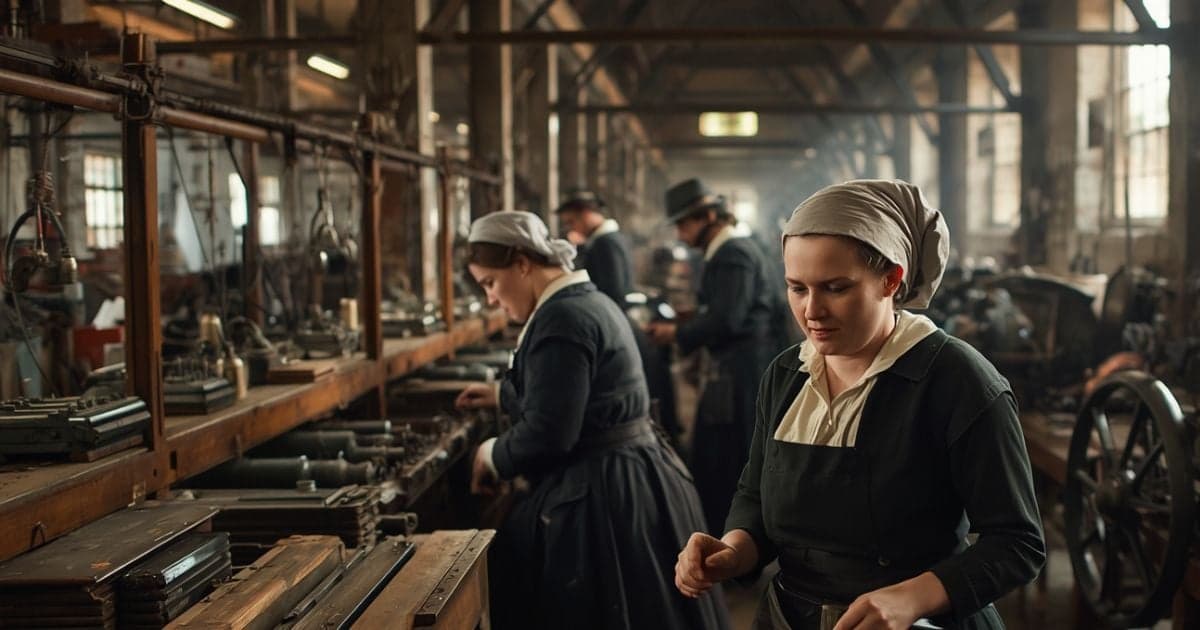
"Labour therefore, is the real measure of the exchangeable value of all commodities."
Context: After explaining how we depend on others' work for most of what we have
This is Smith's central insight - behind every price tag is human effort. Money is just a convenient way to keep score, but labor is what actually creates value.
In Today's Words:
Everything you buy is really paid for with someone's work time, including your own.
"The real price of every thing, what every thing really costs to the man who wants to acquire it, is the toil and trouble of acquiring it."
Context: Distinguishing between money prices and real costs
Smith is telling us to think differently about costs. Don't just look at the dollar amount - think about how much of your life energy you're trading for this thing.
In Today's Words:
The real cost of anything is how hard you have to work to get it.
Thematic Threads
Hidden Power
In This Chapter
Money appears neutral but actually gives some people power to command others' labor while hiding this relationship
Development
Introduced here
In Your Life:
Your boss has power over your time because they control access to money, but you might not recognize this as a labor-power relationship
Time as Currency
In This Chapter
Smith shows that labor-time is the real measure of value, with money just being a convenient but deceptive substitute
Development
Introduced here
In Your Life:
When you work overtime for holiday shopping, you're literally trading more life hours for gifts
Class Advantage
In This Chapter
The wealthy understand real vs. nominal prices and use this knowledge to preserve their labor's value over time
Development
Introduced here
In Your Life:
Rich people buy assets that appreciate while you keep money in checking accounts that lose purchasing power
Systemic Deception
In This Chapter
The monetary system obscures the true labor relationships and allows for value extraction through inflation
Development
Introduced here
In Your Life:
Your salary might increase yearly but buy less stuff, and nobody explains this is by design
Practical Wisdom
In This Chapter
Understanding the labor theory of value provides a framework for making better long-term financial decisions
Development
Introduced here
In Your Life:
Once you see purchases as life-hour exchanges, you naturally become more selective about what's worth your time
You now have the context. Time to form your own thoughts.
Discussion Questions
- 1
When Smith says everything is really bought with labor, not money, what does he mean? Can you think of a recent purchase where you felt like you traded hours of your life for something?
analysis • surface - 2
Why do real prices (measured in human effort) stay more stable over time than nominal prices (dollar amounts)? What does this tell us about why older generations could buy more with less money?
analysis • medium - 3
Where do you see this labor-for-labor exchange happening in your daily life? How might credit cards, payment apps, or automatic payments hide this reality from us?
application • medium - 4
If you started thinking about purchases in terms of life-hours instead of dollars, how might this change your spending decisions? What would you buy more or less of?
application • deep - 5
Smith suggests that wealth is really the power to command other people's labor. What does this reveal about the relationship between money and power in society?
reflection • deep
Critical Thinking Exercise
Calculate Your Real Hourly Cost
Take your last major purchase over $100. Calculate how many hours you actually worked to afford it by dividing the price by your after-tax hourly wage. Then think about whether that item was worth that many hours of your life. Do this for 2-3 recent purchases to see the pattern.
Consider:
- •Remember to use your take-home pay, not gross pay, since taxes reduce what you actually earn
- •Consider whether the item is still providing value equal to those work hours
- •Think about purchases that felt expensive in dollars but cheap in life-hours, or vice versa
Journaling Prompt
Write about a time when you realized you were trading too many life-hours for something that wasn't worth it. What did that teach you about how you want to spend your finite time and energy?
Coming Up Next...
Chapter 6: The Three Pieces of Every Price
Having established that labor is the true measure of value, Smith will next break down exactly what goes into the price of any commodity—revealing the hidden components that determine what we pay for everything.