Wide Reads
Literature MattersLife IndexEducators
Sign in
Where to Begin
War and Peace - When Crisis Reveals Character

Leo Tolstoy

War and Peace

When Crisis Reveals Character

Home›Books›War and Peace›Chapter 92
Previous
92 of 361
Next

Summary

As war approaches Russia's borders, the Bolkonsky family has settled into new routines shaped by loss and duty. Old Prince Bolkonsky throws himself into military recruitment work with renewed energy, while Prince Andrew retreats to a separate estate, avoiding active military service despite the national crisis. The family dynamic has shifted—the old prince now embraces action while Andrew has grown cynical and withdrawn. When Andrew's infant son falls seriously ill with a high fever, the crisis brings out both the best and worst in the siblings. Princess Mary and Andrew take turns watching over the sick child through sleepless nights, but their exhaustion and fear make them snap at each other instead of finding comfort together. Andrew becomes irritable and controlling, insisting on giving medicine despite Mary's gentle suggestions to let the child sleep. Their shared love for the baby becomes a source of conflict rather than unity as they 'throw their burden of sorrow on one another.' Meanwhile, letters arrive with news of a Russian victory over Napoleon, but Andrew feels only disconnected from the triumph he's not part of. The chapter reveals how crisis strips away our social masks—Andrew's grief over his wife's death, his guilt about not serving in the war, and his terror of losing his son all converge in this moment of vulnerability. Tolstoy shows us that even loving families can wound each other most deeply when fear takes over, and that sometimes our attempts to help can become ways of asserting control when we feel powerless.

Coming Up in Chapter 93

As little Nicholas fights his fever, Andrew must decide whether to obey his father's urgent military summons or stay with his sick child. The choice will test everything he believes about duty, family, and what truly matters when everything hangs in the balance.

Share it with friends

Previous ChapterNext Chapter
GO ADS FREE — JOIN US
Original text
complete·1,525 words
T

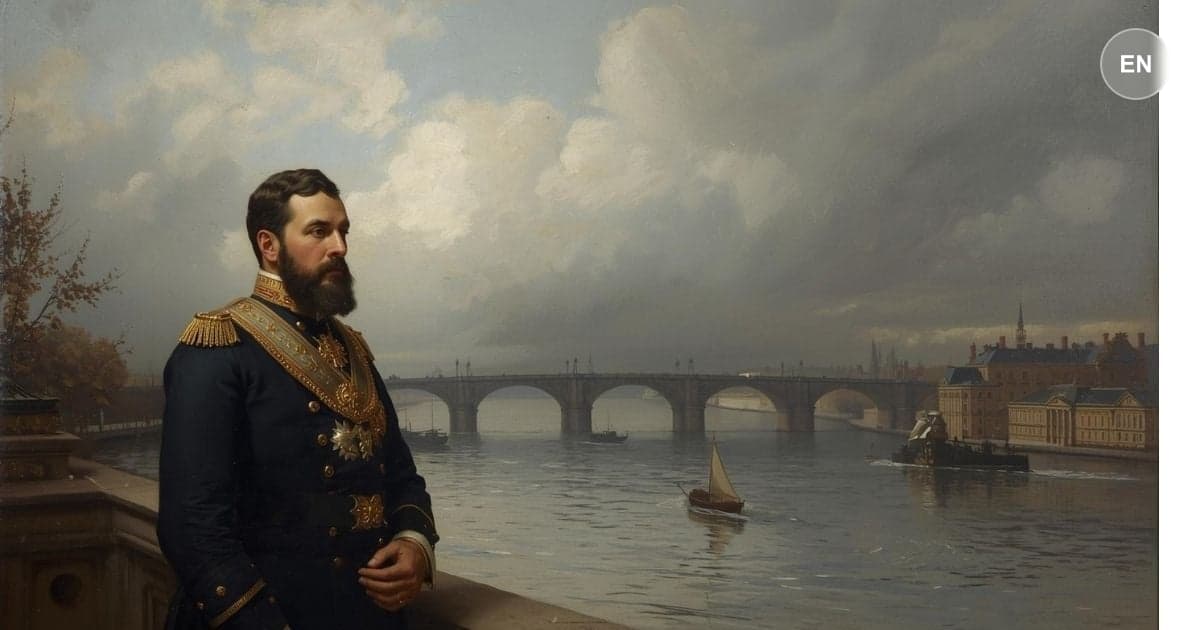
he war was flaming up and nearing the Russian frontier. Everywhere one heard curses on Bonaparte, “the enemy of mankind.” Militiamen and recruits were being enrolled in the villages, and from the seat of war came contradictory news, false as usual and therefore variously interpreted. The life of old Prince Bolkónski, Prince Andrew, and Princess Mary had greatly changed since 1805.

1 / 10

Master this chapter. Complete your experience

Purchase the complete book to access all chapters and support classic literature

Read Free on GutenbergBuy at Powell'sBuy on Amazon

As an Amazon Associate, we earn a small commission from qualifying purchases at no additional cost to you.

Available in paperback, hardcover, and e-book formats

GO ADS FREE — JOIN US

Why This Matters

Connect literature to life

Skill: Recognizing Fear-Based Control

This chapter teaches how to identify when anxiety is making you micromanage others who are trying to help with the same problem.

Practice This Today

This week, notice when you find yourself criticizing how someone else is handling a shared concern - pause and ask if you're both just scared about the same thing.

GO ADS FREE — JOIN US

Now let's explore the literary elements.

Key Quotes & Analysis

"They seemed to be throwing their burden of sorrow on one another"

— Narrator

Context: Describing how Andrew and Mary snap at each other while caring for the sick baby

This perfectly captures how stress makes us hurt the people we love most. Instead of grief bringing them together, their fear makes them take frustration out on each other. It's human nature at its most raw and recognizable.

In Today's Words:

They were taking their stress out on each other instead of supporting each other

"Despite the weakness of age, which had become particularly noticeable since the time when he thought his son had been killed, he did not think it right to refuse a duty"

— Narrator

Context: Explaining why the old prince accepted his military appointment despite his frailty

Shows how duty and purpose can revive us even when we're broken. The old prince finds meaning in service to country, even though grief has aged him. It's about finding identity through contribution.

In Today's Words:

Even though he'd gotten noticeably older and weaker from grief, he couldn't say no when asked to serve his country

"The baby Prince Nicholas lived with his wet nurse and nurse Savishna in the late princess' rooms"

— Narrator

Context: Describing the household arrangements after Andrew's wife died

The detail about using the dead mother's rooms shows how death leaves physical spaces that become shrines. The baby lives surrounded by reminders of the mother he'll never know, cared for by substitutes.

In Today's Words:

The baby was being raised in his dead mother's bedroom by hired caregivers

Thematic Threads

Duty

In This Chapter

Andrew avoids military duty while his father embraces recruitment work, showing how duty can become either escape or obsession

Development

Evolved from earlier themes of social obligation into personal crisis of purpose

In Your Life:

You might recognize this when you throw yourself into work to avoid dealing with family problems, or vice versa

Class

In This Chapter

The Bolkonskys' privilege allows Andrew to avoid military service while others must fight, highlighting how class creates different relationship to duty

Development

Continued exploration of how social position shapes personal choices

In Your Life:

You see this when some people can afford to 'take time to figure things out' while others must work regardless of circumstances

Identity

In This Chapter

Andrew's identity crisis deepens as he's disconnected from both military service and family harmony, unsure who he is without action or purpose

Development

Building from his earlier loss of wife and meaning, now compounded by isolation from national purpose

In Your Life:

You might feel this when major life changes leave you unclear about your role or value

Human Relationships

In This Chapter

Love becomes a source of conflict as Andrew and Mary's shared concern for the baby creates tension rather than unity

Development

Deepened from earlier family dynamics to show how crisis can poison even the strongest bonds

In Your Life:

You see this when you and someone you love handle stress so differently that you start fighting each other instead of the problem

Personal Growth

In This Chapter

Crisis strips away social masks, revealing Andrew's deep grief, guilt, and terror in raw form

Development

Continued theme of how extreme circumstances reveal true character and hidden emotions

In Your Life:

You might recognize this during your own crisis moments when your usual coping strategies fail and your real fears surface

GO ADS FREE — JOIN US

You now have the context. Time to form your own thoughts.

Discussion Questions

  1. 1

    What specific behaviors show that Andrew and Mary are both trying to help their sick nephew, but in competing ways?

    analysis • surface
  2. 2

    Why do Andrew and Mary end up fighting with each other instead of supporting each other during this crisis?

    analysis • medium
  3. 3

    Where have you seen families or coworkers turn against each other when facing the same scary situation?

    application • medium
  4. 4

    When you're terrified about something you can't control, how could you avoid taking that fear out on people who are on your side?

    application • deep
  5. 5

    What does this chapter reveal about how fear changes the way we treat the people we love most?

    reflection • deep

Critical Thinking Exercise

10 minutes

Map Your Crisis Response Pattern

Think of a recent time when you and someone close to you were both worried about the same problem but ended up arguing about how to handle it. Write down what you were both actually afraid of versus what you were fighting about. Then identify three early warning signs that you're turning an ally into an opponent during a crisis.

Consider:

  • •Focus on the underlying fear, not who was 'right' about the solution
  • •Look for moments when you criticized their method of helping rather than the actual problem
  • •Notice if you were trying to control small details because the big picture felt overwhelming

Journaling Prompt

Write about a current situation where you might be competing with an ally instead of collaborating. How could you redirect that energy toward the real problem?

Coming Up Next...

Chapter 93: Letters from the Front Lines

As little Nicholas fights his fever, Andrew must decide whether to obey his father's urgent military summons or stay with his sick child. The choice will test everything he believes about duty, family, and what truly matters when everything hangs in the balance.

Continue to Chapter 93
Previous
The Art of Social Performance
Contents
Next
Letters from the Front Lines

Continue Exploring

War and Peace Study GuideTeaching ResourcesEssential Life IndexBrowse by ThemeAll Books
Power & CorruptionLove & RelationshipsIdentity & Self-Discovery

You Might Also Like

Anna Karenina cover

Anna Karenina

Leo Tolstoy

Also by Leo Tolstoy

The Idiot cover

The Idiot

Fyodor Dostoevsky

Explores love & romance

Moby-Dick cover

Moby-Dick

Herman Melville

Explores mortality & legacy

Dracula cover

Dracula

Bram Stoker

Explores love & romance

Browse all 47+ books

Share This Chapter

Know someone who'd enjoy this? Spread the wisdom!

TwitterFacebookLinkedInEmail

Read ad-free with Prestige

Get rid of ads, unlock study guides and downloads, and support free access for everyone.

Subscribe to PrestigeCreate free account
Intelligence Amplifier
Intelligence Amplifier™Powering Wide Reads

Exploring human-AI collaboration through books, essays, and philosophical dialogues. Classic literature transformed into navigational maps for modern life.

2025 Books

→ The Amplified Human Spirit→ The Alarming Rise of Stupidity Amplified→ San Francisco: The AI Capital of the World
Visit intelligenceamplifier.org
hello@widereads.com

WideReads Originals

→ You Are Not Lost→ The Last Chapter First→ The Lit of Love→ Wealth and Poverty→ 10 Paradoxes in the Classics · coming soon
Arvintech
arvintechAmplify your Mind
Visit at arvintech.com

Navigate

  • Home
  • Library
  • Essential Life Index
  • How It Works
  • Subscribe
  • Account
  • About
  • Contact
  • Authors
  • Suggest a Book
  • Landings

Made For You

  • Students
  • Educators
  • Families
  • Readers
  • Literary Analysis
  • Finding Purpose
  • Letting Go
  • Recovering from a Breakup
  • Corruption
  • Gaslighting in the Classics

Newsletter

Weekly insights from the classics. Amplify Your Mind.

Legal

  • Privacy Policy
  • Terms of Service
  • Cookie Policy
  • Accessibility

Why Public Domain?

We focus on public domain classics because these timeless works belong to everyone. No paywalls, no restrictions—just wisdom that has stood the test of centuries, freely accessible to all readers.

Public domain books have shaped humanity's understanding of love, justice, ambition, and the human condition. By amplifying these works, we help preserve and share literature that truly belongs to the world.

A Pilgrimage

Powell's City of Books

Portland, Oregon

If you ever find yourself in Portland, walk to the corner of Burnside and 10th. The building takes up an entire city block. Inside is over a million books, new and used on the same shelf, organized by color-coded rooms with names like the Rose Room and the Pearl Room. You can lose an afternoon. You can lose a weekend. You will find a book you have been looking for your whole life, and three you did not know existed.

It is a pilgrimage. We cannot find a bookstore like it anywhere on earth. If you read the classics, and you ever get the chance, go. It belongs on every reader's bucket list.

Visit powells.com

We are not in any way affiliated with Powell's. We are just a very big fan.

© 2026 Wide Reads™. All Rights Reserved.

Intelligence Amplifier™ and Wide Reads™ are proprietary trademarks of Arvin Lioanag.

Copyright Protection: All original content, analyses, discussion questions, pedagogical frameworks, and methodology are protected by U.S. and international copyright law. Unauthorized reproduction, distribution, web scraping, or use for AI training is strictly prohibited. See our Copyright Notice for details.

Disclaimer: The information provided on this website is for general informational and educational purposes only and does not constitute professional, legal, financial, or technical advice. While we strive to ensure accuracy and relevance, we make no warranties regarding completeness, reliability, or suitability. Any reliance on such information is at your own risk. We are not liable for any losses or damages arising from use of this site. By using this site, you agree to these terms.