Master this chapter. Complete your experience
Purchase the complete book to access all chapters and support classic literature
As an Amazon Associate, we earn a small commission from qualifying purchases at no additional cost to you.
Available in paperback, hardcover, and e-book formats
Why This Matters
Connect literature to life
This chapter teaches how to recognize when someone's kindness is designed to create debt and compliance rather than genuine care.
Practice This Today
This week, notice when someone's help comes with unspoken expectations—if saying no feels impossible, that's a red flag worth examining.
Now let's explore the literary elements.
Key Quotes & Analysis
"This is all very fine, but things must be settled"
Context: He's getting impatient waiting for Pierre to propose to Hélène
Shows how Prince Vasíli views the engagement as a business transaction that needs to be completed. He's not concerned with Pierre's feelings, just results.
In Today's Words:
Enough messing around - it's time to close this deal
"Youth, frivolity... well, God be with him, but it must be brought to a head"
Context: He's planning to force Pierre's hand at the name day party
He dismisses Pierre's reluctance as immaturity while planning to manipulate him. The religious reference shows how people justify manipulation as being for the greater good.
In Today's Words:
Kids these days don't know what's good for them - sometimes you have to make their decisions for them
"I am her father"
Context: He's justifying his right to orchestrate Hélène's engagement
He uses parental authority to justify controlling his daughter's marriage for financial gain. Shows how family relationships were used to maintain power and wealth.
In Today's Words:
I'm her dad, so I get to decide who she marries
Thematic Threads
Social Manipulation
In This Chapter
Prince Vasili orchestrates an elaborate six-week campaign to trap Pierre through kindness, obligation, and social pressure
Development
Builds on earlier themes of aristocratic scheming, showing how manipulation works through manufactured intimacy
In Your Life:
You might recognize this when someone showers you with attention then makes you feel guilty for not meeting their expectations
Guilt and Obligation
In This Chapter
Pierre feels too guilty to escape because Prince Vasili has been 'kind' to him, housing him and treating him like family
Development
Expands on Pierre's character weakness of being unable to act decisively when feeling guilty
In Your Life:
You see this when you stay in situations that harm you because leaving would 'hurt' or 'disappoint' someone who's been 'good' to you
Social Theater
In This Chapter
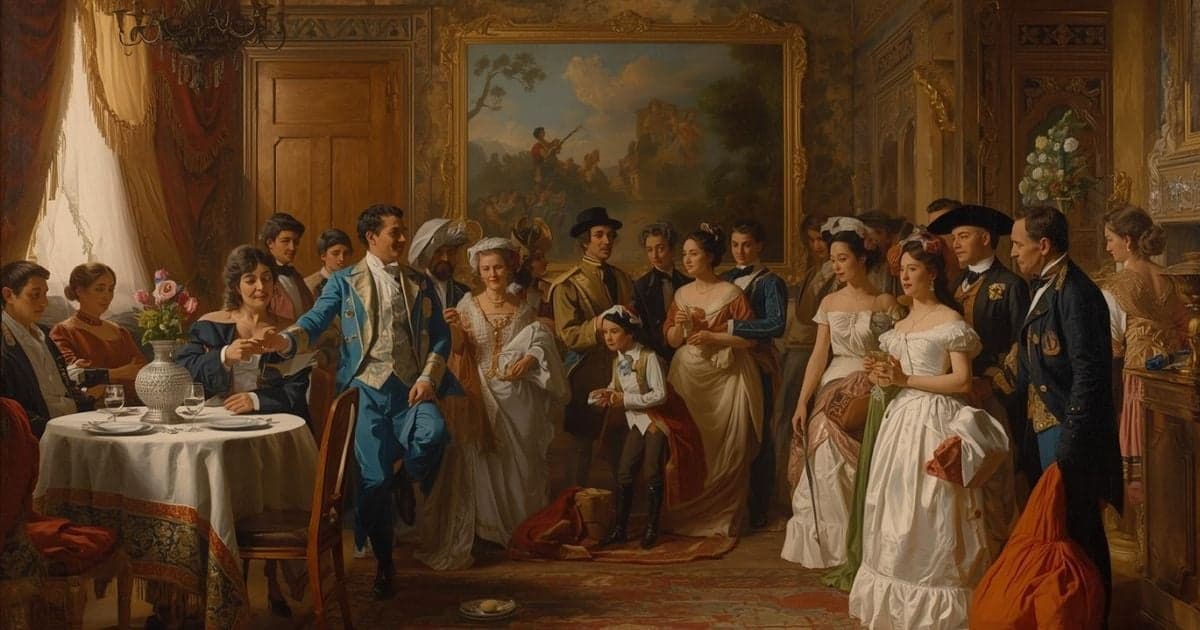
The entire name day party becomes performance, with guests pretending to focus on dinner while really watching Pierre and Hélène
Development
Continues the theme of aristocratic life as elaborate performance where genuine feelings are secondary
In Your Life:
You experience this at family gatherings or work events where everyone pretends normalcy while watching for drama
Paralysis Through Overthinking
In This Chapter
Pierre knows marrying Hélène is wrong but becomes paralyzed by analyzing his obligations and social expectations
Development
Deepens Pierre's character pattern of intellectual awareness without decisive action
In Your Life:
You might recognize this when you know what you should do but get trapped analyzing all the reasons why it's complicated
Identity Erosion
In This Chapter
Pierre loses his sense of self over six weeks, becoming what others expect rather than who he is
Development
Shows how social pressure can gradually erode personal identity and authentic choice
In Your Life:
You see this when you realize you've been living according to others' expectations and can't remember what you actually want
You now have the context. Time to form your own thoughts.
Discussion Questions
- 1
How does Prince Vasili trap Pierre into the engagement without ever directly forcing him?
analysis • surface - 2
Why can't Pierre escape even though he knows marrying Hélène is wrong for him?
analysis • medium - 3
Where do you see this pattern of 'social quicksand' in modern life—at work, in families, or relationships?
application • medium - 4
What could Pierre have done differently in the first week to avoid getting trapped?
application • deep - 5
Why do good people often become the easiest targets for this kind of manipulation?
reflection • deep
Critical Thinking Exercise
Recognize Your Own Quicksand Moments
Think of a time when you felt pressured into a decision you didn't really want to make—taking on extra work, agreeing to a commitment, or staying in a situation too long. Map out how it happened: What small steps led to the big trap? What made saying no feel impossible? Write down the warning signs you missed.
Consider:
- •Notice how obligation was created through small favors or kindness
- •Identify when your gut feeling conflicted with social pressure
- •Recognize how time and routine made the trap feel normal
Journaling Prompt
Write about a current situation where you feel trapped by obligation or guilt. What would Pierre's story teach you about your next move?
Coming Up Next...
Chapter 52: When Suitors Come Calling
With Pierre now trapped in marriage, the focus shifts to other romantic machinations. Prince Vasili continues his tour of inspection, heading to arrange another strategic match—this time for his son Anatole with the Bolkonsky family.