Chapter 38
Reality Check from a Friend
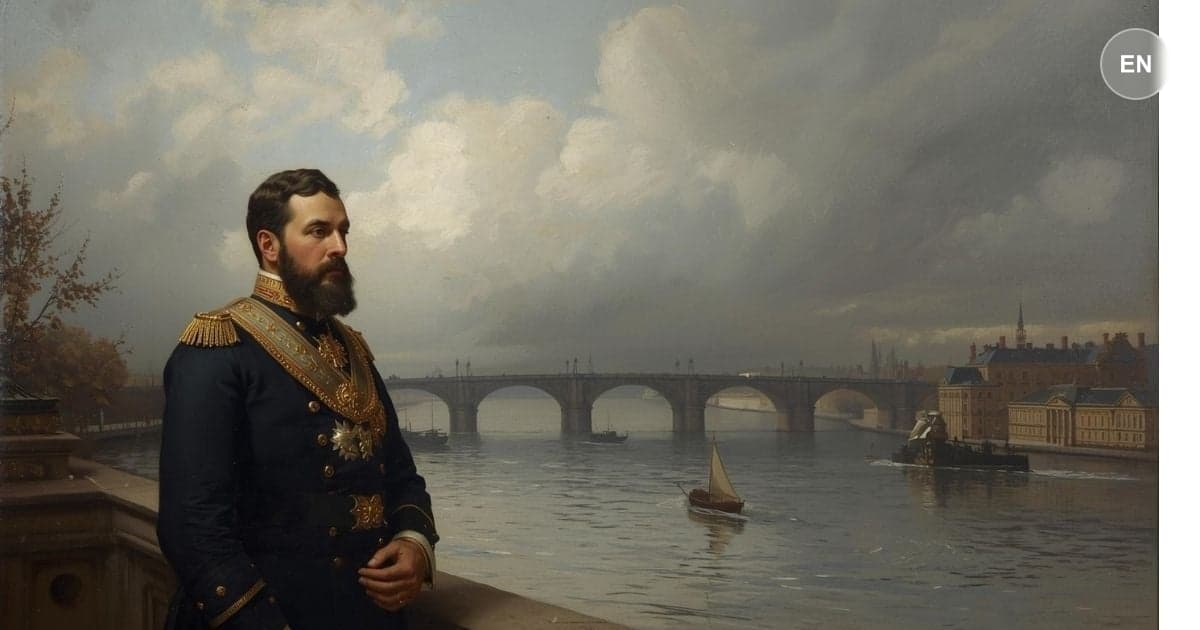
Prince Andrew stayed at Brünn with Bilíbin, a Russian acquaintance of his in the diplomatic service. “Ah, my dear prince! I could not have a more welcome visitor,” said Bilíbin as he came out to meet Prince Andrew. “Franz, put the prince’s things in my bedroom,” said he to the servant who was ushering Bolkónski in. “So you’re a messenger of victory, eh? Splendid! And I am sitting here ill, as you see.” After washing and dressing, Prince Andrew came into the diplomat’s luxurious study and sat down to the dinner prepared for him. Bilíbin settled down comfortably beside the…
Public-domain chapter text, formatted for reading.
Master this chapter. Complete your experience
Purchase the complete book to access all chapters and support classic literature

Available in paperback, hardcover, and e-book formats
Now let's explore the literary elements.
Key Quotes & Analysis
"They received me and my news as one receives a dog in a game of skittles,"
Context: He tells Bilíbin how the Minister of War treated him
Andrew names humiliation with bitter precision. He wants a witness who understands.
In Today's Words:
Andrew says the court handled him like a dog knocked over in skittles. Humiliation hurts more when you expected a hero's welcome. Tell a trusted peer the truth before you polish the story for leadership. A friend who listens keeps the insult from becoming your whole identity.
"Not only occupied, but Bonaparte is at Schönbrunn,"
Context: He tells Andrew Vienna has fallen while Andrew still rides on victory fumes
Scale resets instantly. Personal triumph means nothing against strategic collapse.
In Today's Words:
Bilibin says Vienna is occupied and Napoleon is already in the palace. Your local win can be irrelevant while the map turns red. When a colleague brings small good news during a firm-wide crisis, ask what capital city already fell. Context decides whether to celebrate or regroup.
"Impossible!” cried Prince Andrew. “That would be too base."
Context: Bilibin suggests secret peace talks with France
Andrew still believes allies cannot betray openly. Idealism meets rumor.
In Today's Words:
Andrew refuses to believe allies would negotiate peace behind everyone's back. He still trusts stated loyalty. In coalitions, watch for back channels when frontline troops keep dying. If your instinct says betrayal is too base, verify with documents, not honor codes, before you stake your name on their word.
"Yes, that all happened!” he said, and, smiling happily to himself like a child,"
Context: He wakes after dreaming the battle again
Memory returns as sensation, not policy. The body remembers before the mind accepts scale.
In Today's Words:
Andrew wakes smiling like a child, reliving battle joy before diplomacy sobered him. Trauma and exhilaration share a bed. Notice when your body replays danger while your calendar says you are safe. That split explains mood swings after hard missions and why sleep is not the same as peace.
Thematic Threads
Alliance Politics
In This Chapter
Bilibin says Austria wants its own victories, not Russian ones, while Vienna falls
Development
Andrew learns coalition war is public relations as much as fighting
In Your Life:
You might win praise in your unit while headquarters downplays you to soothe a partner agency.
Memory Versus Briefing
In This Chapter
Andrew dreams bullets and joy, then sleeps like a child after hearing Vienna is lost
Development
Body memory and diplomatic reality pull him two ways
In Your Life:
You might relive a hard deployment in dreams while daytime meetings pretend all is fine.
You now have the context. Time to form your own thoughts.
Discussion Questions
This is not a test. Five prompts guide you through the chapter, from how it opens to how it closes, so you notice context and rhythm rather than facts to memorize. Sit with each question in your own words. When you see "One way to read it," treat it as a starting point, not the only answer.
- 1
How does Bilíbin qualify Andrew's victory at Krems?
analysis • surfaceOne way to read it
He says it is not very victorious because Mortier escaped and the archdukes still fail.
- 2
Why would Austrian courts dislike Andrew's good news?
analysis • mediumOne way to read it
It highlights Russian success while Vienna falls and Austrian generals blunder.
- 3
When has someone reframed your success against a bigger problem?
application • mediumOne way to read it
Note whether it felt cruel or clarifying. Good scale correction still honors your effort.
- 4
Why does Andrew call secret peace impossible and base?
application • deepOne way to read it
He still trusts alliance honor. Bilíbin's rumor tests that innocence.
- 5
What does Andrew's battle dream add after the political talk?
reflection • deepOne way to read it
The body keeps joy and danger; diplomacy cannot erase lived combat.
Critical Thinking Exercise
Context Check: Map Your Victory
Think of a recent achievement you're proud of - a work project, personal goal, or family milestone. Now step back and examine the bigger picture around that victory. What larger forces were moving while you focused on your goal? Who benefited from your success, and who might have been threatened by it? Write down your achievement, then map the context around it like Bilíbin did for Andrew.
Consider:
- •Consider timing - was this the right moment for your type of success?
- •Think about stakeholders - who had power over whether your victory mattered?
- •Look for pattern shifts - what was changing in the bigger system while you worked?
Journaling Prompt
Write about a time when you achieved something important but it didn't lead where you expected. What context did you miss? How would you approach a similar situation differently now?
Coming Up Next...
Chapter 39: The Diplomatic Game
Andrew's diplomatic education continues as he learns more about the political maneuvering behind the war. The gap between battlefield reality and drawing room politics widens.