Chapter 37
Victory's Hollow Taste
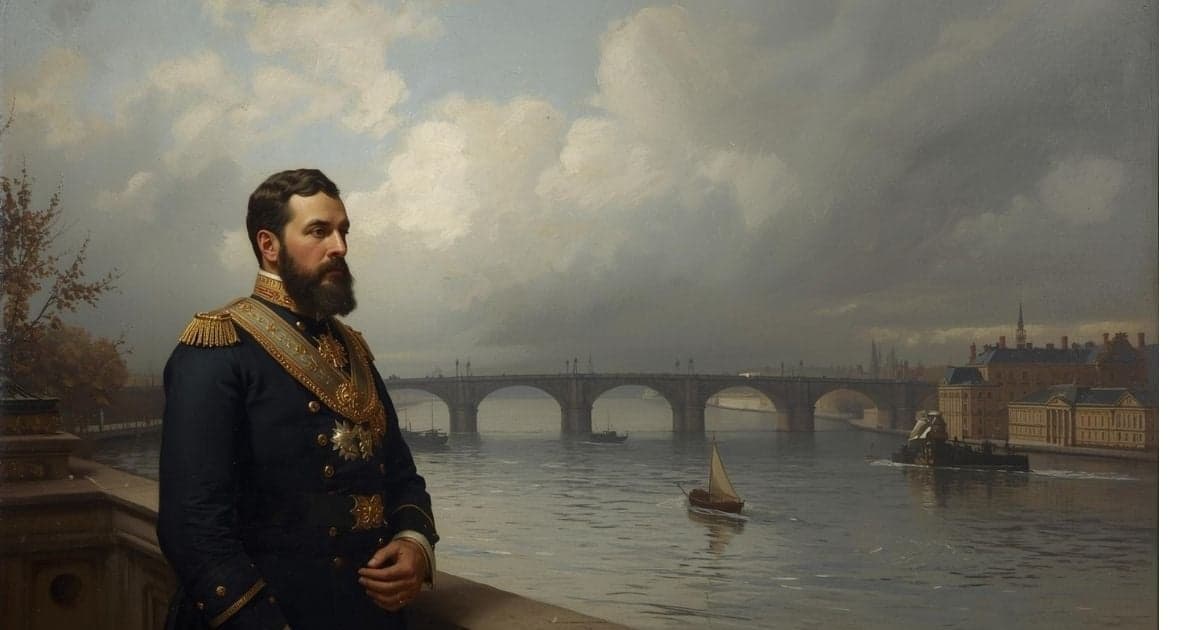
Pursued by the French army of a hundred thousand men under the command of Bonaparte, encountering a population that was unfriendly to it, losing confidence in its allies, suffering from shortness of supplies, and compelled to act under conditions of war unlike anything that had been foreseen, the Russian army of thirty-five thousand men commanded by Kutúzov was hurriedly retreating along the Danube, stopping where overtaken by the enemy and fighting rearguard actions only as far as necessary to enable it to retreat without losing its heavy equipment. There had been actions at Lambach, Amstetten, and Melk; but despite the…
Public-domain chapter text, formatted for reading.
Master this chapter. Complete your experience
Purchase the complete book to access all chapters and support classic literature
Available in paperback, hardcover, and e-book formats
Now let's explore the literary elements.
Key Quotes & Analysis
"Get well soon, lads!"
Context: He stops for wounded Russians on the road to Brünn
Andrew still connects with soldiers before the court drains him. His generosity is quick and human.
In Today's Words:
Andrew tells wounded soldiers to get well and hands over money. Real morale often lives in small stops, not in speeches upstairs. Before you chase recognition from headquarters, notice who you already helped on the road. That memory survives when the minister forgets your name.
"Away from the smell of powder, they probably think it easy to gain victories!"
Context: He enters the Minister of War's room after being kept waiting
Distance breeds contempt for field cost. Andrew's disdain is already a moral split.
In Today's Words:
Andrew decides desk officers think battle is easy because they never smelled gunpowder. Every organization has a rear office that grades frontline risk like a spreadsheet. When someone reviews your crisis report without asking what it cost, hear this sentence and protect your own measure of the work.
"Oh, my God! My God! Schmidt!"
Context: He reads Kutuzov's dispatch about the Krems fight
The minister mourns the Austrian ally, not Andrew's victory. Politics reshapes the headline instantly.
In Today's Words:
The minister cries over Schmidt's death more than he celebrates the win. Your headline victory can become someone else's tragedy in the same breath. When leadership reacts to your good news, watch which name they grieve first. That tells you whose story your report actually serves.
"Au revoir! Thank you very much. His Majesty will probably desire to see you"
Context: He ends the audience without real engagement
Politeness replaces presence. Andrew's dispatch becomes scheduling trivia.
In Today's Words:
The minister thanks Andrew and promises maybe an imperial audience later. Polite dismissal still dismisses you. If you leave a meeting with thanks but no questions, treat the win as yours, not theirs. File the paperwork, keep the truth from the road, and do not wait for their applause to feel it mattered.
Thematic Threads
Field Versus Office
In This Chapter
Andrew gives gold to wounded men, then meets a minister who mourns Schmidt and barely notes the win
Development
Andrew's disillusion with rear-echelon politics deepens after Krems
In Your Life:
You might deliver great frontline results to a manager who skims the email and asks about formatting.
Hollow Recognition
In This Chapter
Victory lifts the army but the court receives Andrew like a petitioner with a form
Development
Glory starts turning into contempt for institutions
In Your Life:
You might feel proud on the drive in and empty on the drive out of headquarters.
You now have the context. Time to form your own thoughts.
Discussion Questions
This is not a test. Five prompts guide you through the chapter, from how it opens to how it closes, so you notice context and rhythm rather than facts to memorize. Sit with each question in your own words. When you see "One way to read it," treat it as a starting point, not the only answer.
- 1
Why does Prince Andrew stop for the convoy of wounded Russians?
analysis • surfaceOne way to read it
He still feels kinship with soldiers. The stop is human contact before court coldness.
- 2
How does the Minister of War receive Andrew's news of Krems?
analysis • mediumOne way to read it
He reads paperwork, grieves Schmidt, notes missing captures, and dismisses Andrew with polite delay.
- 3
When have you brought good news to someone who treated it as routine?
application • mediumOne way to read it
Name who listened and who processed. The gap shows where to seek validation next time.
- 4
What does Andrew mean by men away from powder thinking victories are easy?
application • deepOne way to read it
Distance hides cost. He already separates field truth from office performance.
- 5
Why does the chapter end with the battle feeling like a remote memory?
reflection • deepOne way to read it
Institutional indifference rewrote his emotion. He must carry meaning himself now.
Critical Thinking Exercise
Map Your Victory Protection Strategy
Think of a recent accomplishment you're proud of - maybe completing training, helping a difficult patient, finishing a project, or solving a family problem. Write down three people who would truly understand what it cost you, and three people who might treat it as no big deal. Then plan how you'd celebrate this victory before reporting it to anyone official.
Consider:
- •The people who understand your stakes are usually those who face similar challenges
- •Institutional responses often focus on process, not personal cost
- •Your satisfaction shouldn't depend on other people's reactions
Journaling Prompt
Write about a time when someone minimized an achievement that meant a lot to you. How did it feel, and how would you handle a similar situation differently now?
Coming Up Next...
Chapter 38: Reality Check from a Friend
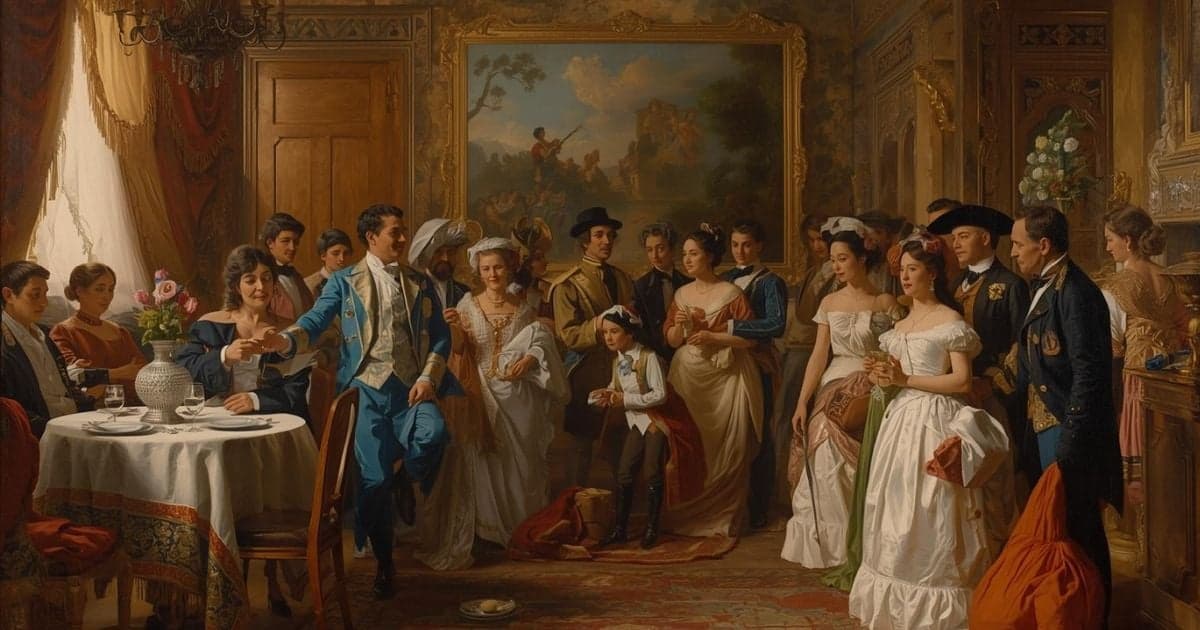
Andrew's disillusionment with court politics deepens as he navigates the complex social hierarchy of the Austrian nobility. His encounter with the Emperor may not go as he imagined Prince Andrew rests with Bilíbin, the witty diplomat who turns every crisis into an epigram. Andrew describes Krems and his reception; Bilíbin answers that Austrian Vienna is already lost and Bonaparte sits at Schönbrunn..