Wide Reads
Literature MattersLife IndexEducators
Sign in
Where to Begin
War and Peace - The Myth of Great Man Leadership

Leo Tolstoy

War and Peace

The Myth of Great Man Leadership

Home›Books›War and Peace›Chapter 358
Previous
358 of 361
Next

Summary

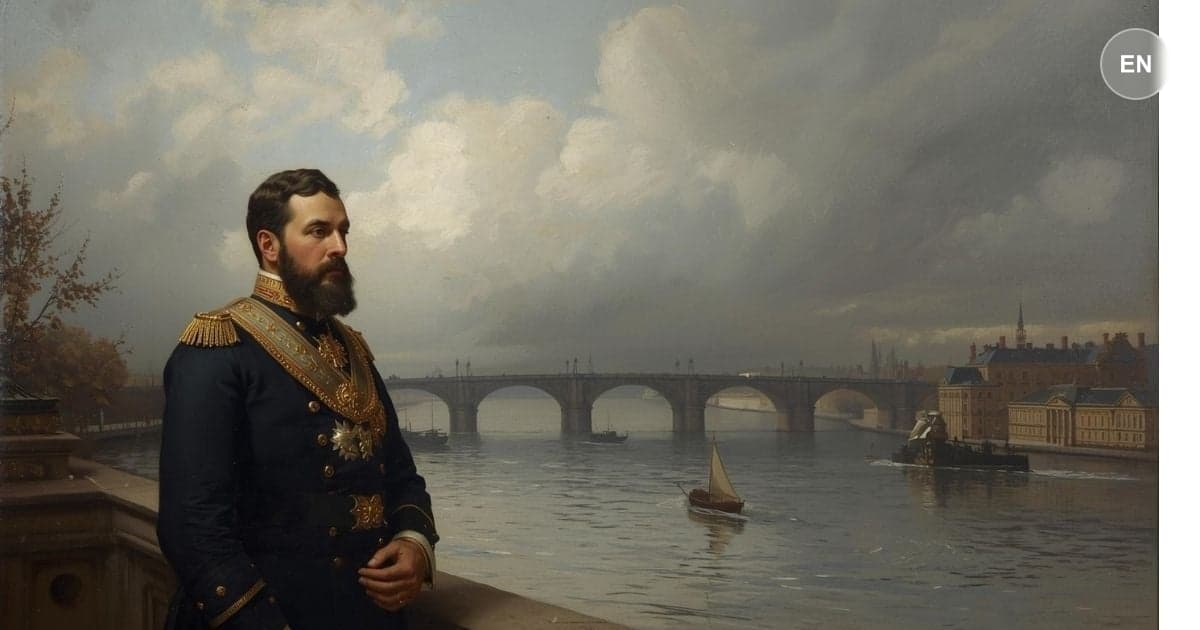
Tolstoy steps back from the story to tackle one of history's biggest myths: that great events happen because powerful individuals will them into existence. He argues that historians who claim Napoleon or any leader single-handedly caused massive historical changes are essentially telling fairy tales. Using the analogy of a cattle herd, he shows how we mistakenly assume the animal at the front is leading when really the whole herd is moving based on factors like where the good grass is or where the herder is pushing them. The 'leader' is often just the one who happened to be walking in the direction everyone was already heading. Tolstoy points out the circular logic in traditional explanations of power: we say leaders have power because people follow them, and people follow them because they have power. But when you look closely, many royal decrees go ignored, and sometimes the opposite of what leaders command actually happens. Real power, he suggests, isn't about one person's will controlling millions—it's about the complex relationship between someone expressing a desire and others choosing to act on it. This isn't just academic theorizing; it's about understanding how change really works in families, workplaces, and communities. The chapter challenges us to look beyond the obvious figureheads to understand the deeper currents that actually drive human events.

Coming Up in Chapter 359

Having dismantled the myth of great man leadership, Tolstoy will now explore what actually does drive historical events—and why understanding these hidden forces matters for how we live our own lives.

Share it with friends

Previous ChapterNext Chapter
GO ADS FREE — JOIN US
Original text
complete·1,103 words
T

he life of the nations is not contained in the lives of a few men, for the connection between those men and the nations has not been found. The theory that this connection is based on the transference of the collective will of a people to certain historical personages is an hypothesis unconfirmed by the experience of history.

The theory of the transference of the collective will of the people to historic persons may perhaps explain much in the domain of jurisprudence and be essential for its purposes, but in its application to history, as soon as revolutions, conquests, or civil wars occur—that is, as soon as history begins—that theory explains nothing.

The theory seems irrefutable just because the act of transference of the people’s will cannot be verified, for it never occurred.

Whatever happens and whoever may stand at the head of affairs, the theory can always say that such and such a person took the lead because the collective will was transferred to him.

1 / 7

Master this chapter. Complete your experience

Purchase the complete book to access all chapters and support classic literature

Read Free on GutenbergBuy at Powell'sBuy on Amazon

As an Amazon Associate, we earn a small commission from qualifying purchases at no additional cost to you.

Available in paperback, hardcover, and e-book formats

GO ADS FREE — JOIN US

Why This Matters

Connect literature to life

Skill: Reading Power Dynamics

This chapter teaches you to distinguish between visible authority and actual influence by examining who really makes things happen.

Practice This Today

This week, notice when someone gets credit for group efforts—ask yourself what forces were already in motion before they appeared.

GO ADS FREE — JOIN US

Now let's explore the literary elements.

Key Quotes & Analysis

"The theory of the transference of the collective will of the people to historic persons may perhaps explain much in the domain of jurisprudence and be essential for its purposes, but in its application to history, as soon as revolutions, conquests, or civil wars occur—that is, as soon as history begins—that theory explains nothing."

— Narrator

Context: Tolstoy is explaining why the common theory of leadership fails when applied to real historical events

This quote cuts to the heart of Tolstoy's argument - that our legal and political theories about how power works break down completely when we try to use them to understand actual historical change. The moment real conflict begins, these neat theories become useless.

In Today's Words:

Sure, we can pretend people vote their power away to politicians, but when things actually go sideways, that explanation doesn't help us understand what's really happening.

"The replies this theory gives to historical questions are like the replies of a man who, watching the movements of a herd of cattle and paying no attention to the varying quality of the pasturage in different parts of the field, or to the driving of the herdsman, should attribute the direction the herd takes to what animal happens to be at its head."

— Narrator

Context: Tolstoy uses this analogy to show how historians wrongly focus on leaders while ignoring the real forces driving events

This powerful analogy reveals how we mistake correlation for causation. The cow at the front isn't leading - it's just walking in the direction the whole herd is already moving based on where the grass is good or where they're being driven.

In Today's Words:

Saying the president caused economic growth is like saying the car in front is causing traffic to move - you're ignoring all the actual reasons people are going that direction.

"Whatever happens and whoever may stand at the head of affairs, the theory can always say that such and such a person took the lead because the collective will was transferred to him."

— Narrator

Context: Tolstoy is pointing out the unfalsifiable nature of traditional theories of leadership

This exposes how convenient but meaningless these explanations are. No matter what happens, we can always say 'well, people must have wanted this leader' after the fact. It's like saying everything happens for a reason - it sounds wise but explains nothing.

In Today's Words:

It's like saying 'everything happens for a reason' - you can use it to explain anything, which means it actually explains nothing.

Thematic Threads

Power

In This Chapter

Tolstoy reveals that apparent power is often an illusion—leaders seem to control events but are actually carried along by forces beyond their influence

Development

Deepens the book's ongoing examination of how social hierarchies mask the real sources of change and influence

In Your Life:

You might recognize this when blaming your boss for decisions that actually come from higher up, or assuming someone has more control over a situation than they really do

Truth

In This Chapter

Historical narratives that credit individual leaders with causing major events are revealed as comforting fictions that obscure complex realities

Development

Continues the theme of questioning accepted explanations and looking beneath surface appearances

In Your Life:

You see this when family stories about 'who decided' something don't match the messy reality of how decisions actually evolved

Social Expectations

In This Chapter

Society expects clear leadership and simple explanations, creating pressure to identify figureheads even when collective forces are actually at work

Development

Expands on how social structures shape our understanding of events and relationships

In Your Life:

You experience this pressure when people expect you to 'take charge' of situations that are actually beyond any individual's control

Human Relationships

In This Chapter

The relationship between leaders and followers is shown to be far more complex than simple command and obedience

Development

Builds on the book's exploration of how people actually influence each other in families and communities

In Your Life:

You might notice this in how family dynamics work—the 'head of household' often has less real influence than quieter family members

You now have the context. Time to form your own thoughts.

Discussion Questions

  1. 1

    According to Tolstoy, why is it wrong to say that Napoleon caused the major events of history?

    analysis • surface
  2. 2

    How does the cattle herd analogy explain the difference between appearing to lead and actually leading?

    analysis • medium
  3. 3

    Think about a recent change at your workplace or in your family. Who got credit for making it happen, and what forces were really driving that change?

    application • medium
  4. 4

    When you're facing a problem with someone in authority, how might understanding the difference between visible power and real power change your approach?

    application • deep
  5. 5

    Why do humans prefer to believe that individual leaders control major events rather than accepting that complex forces shape our world?

    reflection • deep

Critical Thinking Exercise

10 minutes

Map the Real Power Structure

Think of a recent decision that affected your life - a policy change at work, a family rule, or a community issue. Draw two diagrams: one showing who appears to be in charge, and another showing the real forces and pressures that drove the decision. Include things like budget constraints, unspoken expectations, outside pressures, or timing factors.

Consider:

  • •Look beyond the person who announced the decision to the circumstances that made it inevitable
  • •Consider what would have happened if that visible leader had said no or wasn't there
  • •Think about who benefits from the current power structure and who has incentive to maintain the myth

Journaling Prompt

Write about a time when you were blamed or credited for something that was really driven by forces beyond your control. How did it feel to be seen as more powerful than you actually were?

Coming Up Next...

Chapter 359: The Cone of Command

Having dismantled the myth of great man leadership, Tolstoy will now explore what actually does drive historical events—and why understanding these hidden forces matters for how we live our own lives.

Continue to Chapter 359
Previous
The Problem of Power
Contents
Next
The Cone of Command

Continue Exploring

War and Peace Study GuideTeaching ResourcesEssential Life IndexBrowse by ThemeAll Books
Power & CorruptionLove & RelationshipsIdentity & Self-Discovery

You Might Also Like

Anna Karenina cover

Anna Karenina

Leo Tolstoy

Also by Leo Tolstoy

The Idiot cover

The Idiot

Fyodor Dostoevsky

Explores love & romance

Moby-Dick cover

Moby-Dick

Herman Melville

Explores mortality & legacy

Dracula cover

Dracula

Bram Stoker

Explores love & romance

Browse all 47+ books

Share This Chapter

Know someone who'd enjoy this? Spread the wisdom!

TwitterFacebookLinkedInEmail

Read ad-free with Prestige

Get rid of ads, unlock study guides and downloads, and support free access for everyone.

Subscribe to PrestigeCreate free account
Intelligence Amplifier
Intelligence Amplifier™Powering Wide Reads

Exploring human-AI collaboration through books, essays, and philosophical dialogues. Classic literature transformed into navigational maps for modern life.

2025 Books

→ The Amplified Human Spirit→ The Alarming Rise of Stupidity Amplified→ San Francisco: The AI Capital of the World
Visit intelligenceamplifier.org
hello@widereads.com

WideReads Originals

→ You Are Not Lost→ The Last Chapter First→ The Lit of Love→ Wealth and Poverty→ 10 Paradoxes in the Classics · coming soon
Arvintech
arvintechAmplify your Mind
Visit at arvintech.com

Navigate

  • Home
  • Library
  • Essential Life Index
  • How It Works
  • Subscribe
  • Account
  • About
  • Contact
  • Authors
  • Suggest a Book
  • Landings

Made For You

  • Students
  • Educators
  • Families
  • Readers
  • Literary Analysis
  • Finding Purpose
  • Letting Go
  • Recovering from a Breakup
  • Corruption
  • Gaslighting in the Classics

Newsletter

Weekly insights from the classics. Amplify Your Mind.

Legal

  • Privacy Policy
  • Terms of Service
  • Cookie Policy
  • Accessibility

Why Public Domain?

We focus on public domain classics because these timeless works belong to everyone. No paywalls, no restrictions—just wisdom that has stood the test of centuries, freely accessible to all readers.

Public domain books have shaped humanity's understanding of love, justice, ambition, and the human condition. By amplifying these works, we help preserve and share literature that truly belongs to the world.

A Pilgrimage

Powell's City of Books

Portland, Oregon

If you ever find yourself in Portland, walk to the corner of Burnside and 10th. The building takes up an entire city block. Inside is over a million books, new and used on the same shelf, organized by color-coded rooms with names like the Rose Room and the Pearl Room. You can lose an afternoon. You can lose a weekend. You will find a book you have been looking for your whole life, and three you did not know existed.

It is a pilgrimage. We cannot find a bookstore like it anywhere on earth. If you read the classics, and you ever get the chance, go. It belongs on every reader's bucket list.

Visit powells.com

We are not in any way affiliated with Powell's. We are just a very big fan.

© 2026 Wide Reads™. All Rights Reserved.

Intelligence Amplifier™ and Wide Reads™ are proprietary trademarks of Arvin Lioanag.

Copyright Protection: All original content, analyses, discussion questions, pedagogical frameworks, and methodology are protected by U.S. and international copyright law. Unauthorized reproduction, distribution, web scraping, or use for AI training is strictly prohibited. See our Copyright Notice for details.

Disclaimer: The information provided on this website is for general informational and educational purposes only and does not constitute professional, legal, financial, or technical advice. While we strive to ensure accuracy and relevance, we make no warranties regarding completeness, reliability, or suitability. Any reliance on such information is at your own risk. We are not liable for any losses or damages arising from use of this site. By using this site, you agree to these terms.