Wide Reads
Literature MattersLife IndexEducators
Sign in
Where to Begin
War and Peace - The Impossibility of Perfect Judgment

Leo Tolstoy

War and Peace

The Impossibility of Perfect Judgment

Home›Books›War and Peace›Chapter 338
Previous
338 of 361
Next

Summary

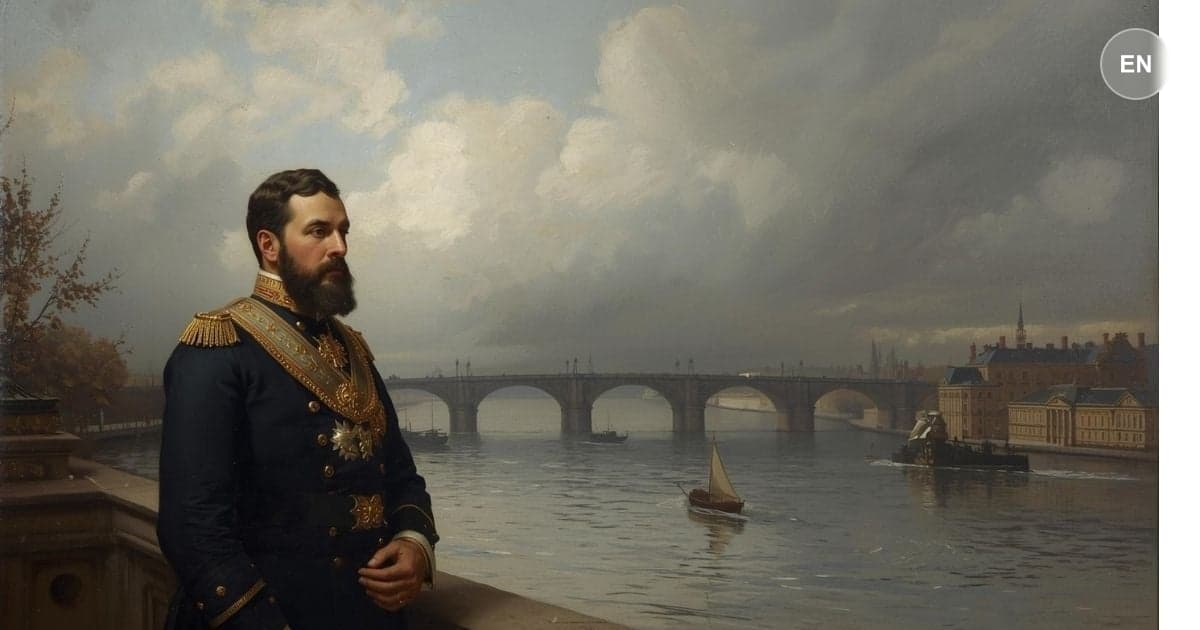
Seven years after Napoleon's defeat, Tolstoy steps back to examine how history judges its leaders. He focuses on Tsar Alexander I, who historians both praise for defeating Napoleon and condemn for later conservative policies. Tolstoy argues this contradiction reveals something profound about human judgment. Alexander made all his decisions—both the 'good' ones and the 'bad' ones—from the same circumstances: his birth, education, and the crushing weight of absolute power. The same forces that made him a hero in 1812 made him a target of criticism later. Tolstoy points out the absurdity of professors sitting in libraries fifty years later, deciding what Alexander should have done while bearing responsibility for all of Europe. These historians change their minds constantly about what's 'good' for humanity, yet confidently judge a man who faced impossible choices in real time. Even if Alexander had followed every piece of advice his critics now offer—pursuing nationality, freedom, equality, and progress—it would have eliminated the very opposition that historians praise as beneficial. Tolstoy concludes with a devastating insight: if we believe human life can be perfectly guided by reason and hindsight, we destroy the possibility of life itself. Real leadership means making imperfect decisions with incomplete information under enormous pressure—something armchair critics will never understand.

Coming Up in Chapter 339

Having demolished our confidence in historical judgment, Tolstoy turns to examine what forces actually drive human events, challenging everything we think we know about cause and effect in history.

Share it with friends

Previous ChapterNext Chapter
GO ADS FREE — JOIN US
Original text
complete·1,119 words
S

even years had passed. The storm-tossed sea of European history had subsided within its shores and seemed to have become calm. But the mysterious forces that move humanity (mysterious because the laws of their motion are unknown to us) continued to operate.

Though the surface of the sea of history seemed motionless, the movement of humanity went on as unceasingly as the flow of time. Various groups of people formed and dissolved, the coming formation and dissolution of kingdoms and displacement of peoples was in course of preparation.

The sea of history was not driven spasmodically from shore to shore as previously. It was seething in its depths. Historic figures were not borne by the waves from one shore to another as before. They now seemed to rotate on one spot. The historical figures at the head of armies, who formerly reflected the movement of the masses by ordering wars, campaigns, and battles, now reflected the restless movement by political and diplomatic combinations, laws, and treaties.

The historians call this activity of the historical figures “the reaction.”

1 / 7

Master this chapter. Complete your experience

Purchase the complete book to access all chapters and support classic literature

Read Free on GutenbergBuy at Powell'sBuy on Amazon

As an Amazon Associate, we earn a small commission from qualifying purchases at no additional cost to you.

Available in paperback, hardcover, and e-book formats

GO ADS FREE — JOIN US

Why This Matters

Connect literature to life

Skill: Recognizing Retroactive Judgment

This chapter teaches how to identify when people judge past decisions using information that wasn't available at the time.

Practice This Today

This week, notice when you catch yourself thinking someone 'should have known better'—then ask what information they actually had when they decided.

GO ADS FREE — JOIN US

Now let's explore the literary elements.

Key Quotes & Analysis

"The same forces that in 1812 moved him to exert himself for his people's welfare urged him in 1820 to do the opposite."

— Narrator

Context: Tolstoy explaining why Alexander I changed from liberal to conservative

This reveals Tolstoy's key insight - people don't fundamentally change, circumstances do. Alexander's character remained consistent, but the situations he faced required different responses.

In Today's Words:

The same personality traits that made him a hero during the crisis made him look like a villain during peacetime

"What would have happened had Alexander not given his consent to the demands of liberals, of those who demanded nationality, freedom, equality, and progress?"

— Narrator

Context: Tolstoy challenging historians who criticize Alexander's conservative turn

Tolstoy forces us to think through the actual consequences of the 'right' choice. If Alexander had been more liberal, it might have eliminated the very opposition that historians say was good for progress.

In Today's Words:

What if he had done exactly what his critics wanted? Would that really have been better?

"If we admit that human life can be ruled by reason, the possibility of life is destroyed."

— Narrator

Context: Tolstoy's philosophical conclusion about judging historical figures

This is Tolstoy's devastating critique of rational historical analysis. Real life requires making imperfect decisions with incomplete information - something pure reason can't handle.

In Today's Words:

If you think you can plan out life perfectly using logic, you've never actually lived

Thematic Threads

Power

In This Chapter

Alexander's absolute power created both his heroic moments and his failures, but from the same impossible position

Development

Evolved from earlier battle scenes to show how power isolates leaders from normal human judgment

In Your Life:

You might see this when you're put in charge of something and realize how different leadership looks from the inside

Judgment

In This Chapter

Historians constantly change their standards while confidently judging Alexander's unchangeable past decisions

Development

Builds on earlier themes of society's shifting moral standards and the impossibility of perfect choices

In Your Life:

You might see this in how people judge your parenting choices years later with information you didn't have then

Responsibility

In This Chapter

Alexander bore responsibility for all of Europe while critics bear responsibility only for their opinions

Development

Connects to earlier exploration of how real responsibility changes decision-making completely

In Your Life:

You might see this in how differently you view work decisions when you're actually accountable for the outcomes

Knowledge

In This Chapter

The gap between what Alexander could know in real time versus what historians know decades later

Development

Develops from battle scenes showing how limited information shapes crucial decisions

In Your Life:

You might see this when making major life choices with your kids' futures, knowing critics will judge with hindsight

Identity

In This Chapter

Alexander's identity as both hero and villain comes from the same essential circumstances of his birth and position

Development

Culmination of the book's exploration of how circumstances shape character more than individual will

In Your Life:

You might see this in how your identity gets defined by outcomes that were partly beyond your control

You now have the context. Time to form your own thoughts.

Discussion Questions

  1. 1

    What contradiction does Tolstoy point out about how historians judge Tsar Alexander I?

    analysis • surface
  2. 2

    Why does Tolstoy argue that the same circumstances that made Alexander a hero also made him a target of criticism?

    analysis • medium
  3. 3

    Where do you see this pattern of 'Hindsight Heroism' in your workplace, family, or community today?

    application • medium
  4. 4

    How would you protect yourself from unfair judgment when making difficult decisions with incomplete information?

    application • deep
  5. 5

    What does this chapter reveal about the difference between making decisions in real time versus judging them years later?

    reflection • deep

Critical Thinking Exercise

10 minutes

Rewrite the Judgment

Think of someone whose decision you've criticized - a boss, parent, politician, or friend. Write two versions of their story: first, describe what they did and why you think it was wrong. Then rewrite it from their perspective at the time, including only the information they had, the pressure they faced, and the constraints they worked under.

Consider:

  • •What information did they lack that you have now?
  • •What pressures or deadlines were they facing that you might not have known about?
  • •What would you have done with only their information and constraints?

Journaling Prompt

Write about a difficult decision you made that others later criticized. How did it feel to be judged by people who weren't there? What would you want them to understand about your situation?

Coming Up Next...

Chapter 339: Beyond Chance and Genius

Having demolished our confidence in historical judgment, Tolstoy turns to examine what forces actually drive human events, challenging everything we think we know about cause and effect in history.

Continue to Chapter 339
Previous
Love's Awakening and Guilt's Shadow
Contents
Next
Beyond Chance and Genius

Continue Exploring

War and Peace Study GuideTeaching ResourcesEssential Life IndexBrowse by ThemeAll Books
Power & CorruptionLove & RelationshipsIdentity & Self-Discovery

You Might Also Like

Anna Karenina cover

Anna Karenina

Leo Tolstoy

Also by Leo Tolstoy

The Idiot cover

The Idiot

Fyodor Dostoevsky

Explores love & romance

Moby-Dick cover

Moby-Dick

Herman Melville

Explores mortality & legacy

Dracula cover

Dracula

Bram Stoker

Explores love & romance

Browse all 47+ books

Share This Chapter

Know someone who'd enjoy this? Spread the wisdom!

TwitterFacebookLinkedInEmail

Read ad-free with Prestige

Get rid of ads, unlock study guides and downloads, and support free access for everyone.

Subscribe to PrestigeCreate free account
Intelligence Amplifier
Intelligence Amplifier™Powering Wide Reads

Exploring human-AI collaboration through books, essays, and philosophical dialogues. Classic literature transformed into navigational maps for modern life.

2025 Books

→ The Amplified Human Spirit→ The Alarming Rise of Stupidity Amplified→ San Francisco: The AI Capital of the World
Visit intelligenceamplifier.org
hello@widereads.com

WideReads Originals

→ You Are Not Lost→ The Last Chapter First→ The Lit of Love→ Wealth and Poverty→ 10 Paradoxes in the Classics · coming soon
Arvintech
arvintechAmplify your Mind
Visit at arvintech.com

Navigate

  • Home
  • Library
  • Essential Life Index
  • How It Works
  • Subscribe
  • Account
  • About
  • Contact
  • Authors
  • Suggest a Book
  • Landings

Made For You

  • Students
  • Educators
  • Families
  • Readers
  • Literary Analysis
  • Finding Purpose
  • Letting Go
  • Recovering from a Breakup
  • Corruption
  • Gaslighting in the Classics

Newsletter

Weekly insights from the classics. Amplify Your Mind.

Legal

  • Privacy Policy
  • Terms of Service
  • Cookie Policy
  • Accessibility

Why Public Domain?

We focus on public domain classics because these timeless works belong to everyone. No paywalls, no restrictions—just wisdom that has stood the test of centuries, freely accessible to all readers.

Public domain books have shaped humanity's understanding of love, justice, ambition, and the human condition. By amplifying these works, we help preserve and share literature that truly belongs to the world.

A Pilgrimage

Powell's City of Books

Portland, Oregon

If you ever find yourself in Portland, walk to the corner of Burnside and 10th. The building takes up an entire city block. Inside is over a million books, new and used on the same shelf, organized by color-coded rooms with names like the Rose Room and the Pearl Room. You can lose an afternoon. You can lose a weekend. You will find a book you have been looking for your whole life, and three you did not know existed.

It is a pilgrimage. We cannot find a bookstore like it anywhere on earth. If you read the classics, and you ever get the chance, go. It belongs on every reader's bucket list.

Visit powells.com

We are not in any way affiliated with Powell's. We are just a very big fan.

© 2026 Wide Reads™. All Rights Reserved.

Intelligence Amplifier™ and Wide Reads™ are proprietary trademarks of Arvin Lioanag.

Copyright Protection: All original content, analyses, discussion questions, pedagogical frameworks, and methodology are protected by U.S. and international copyright law. Unauthorized reproduction, distribution, web scraping, or use for AI training is strictly prohibited. See our Copyright Notice for details.

Disclaimer: The information provided on this website is for general informational and educational purposes only and does not constitute professional, legal, financial, or technical advice. While we strive to ensure accuracy and relevance, we make no warranties regarding completeness, reliability, or suitability. Any reliance on such information is at your own risk. We are not liable for any losses or damages arising from use of this site. By using this site, you agree to these terms.