Wide Reads
Literature MattersLife IndexEducators
Sign in
Where to Begin
War and Peace - Moscow Rebuilds Like a Living Thing

Leo Tolstoy

War and Peace

Moscow Rebuilds Like a Living Thing

Home›Books›War and Peace›Chapter 331
Previous
331 of 361
Next

Summary

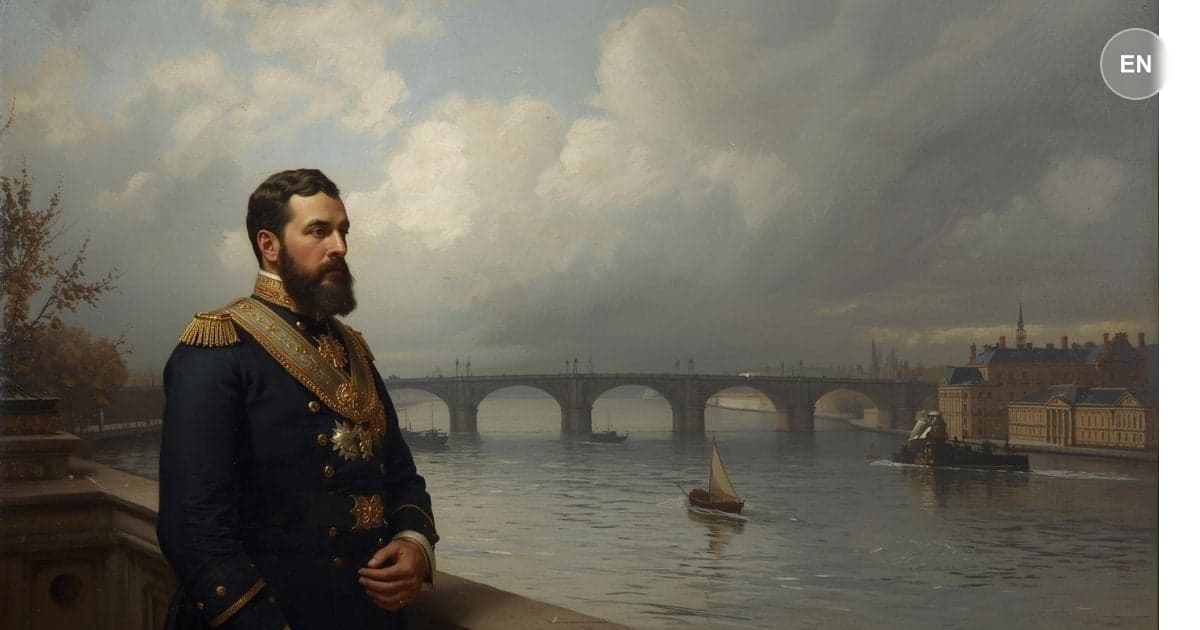
Tolstoy opens with a powerful metaphor: Moscow after the French withdrawal is like an ant colony rebuilding after destruction. Despite the city being burned and abandoned, something invisible but indestructible draws people back. First come the scavengers—Cossacks, peasants, and returning residents who loot what the French left behind. But this Russian plundering works differently than the French occupation. Where French looting gradually destroyed the city's life, Russian activity paradoxically begins to restore it. Soon, practical people arrive: carpenters seeking work, peasants bringing food to sell, clergy reopening churches, officials setting up makeshift offices. Within weeks, Moscow's population swells from nothing to twenty-five thousand. The city rebuilds organically, driven not by grand planning but by thousands of individual decisions. Some come for profit, others from duty or curiosity, but all contribute to restoration. Tolstoy shows how communities heal themselves through the accumulated actions of ordinary people pursuing their own interests. The chapter reveals that civilization's true strength isn't in buildings or institutions, but in the invisible force that compels people to gather, work, and rebuild together. Even chaos and self-interest can serve renewal when channeled by this deeper human impulse toward community.

Coming Up in Chapter 332

As Moscow slowly returns to life, the broader question remains: what has this great war ultimately changed? Tolstoy prepares to examine the lasting impact of these massive events on both individuals and nations.

Share it with friends

Previous ChapterNext Chapter
GO ADS FREE — JOIN US
Original text
complete·827 words
I

t would be difficult to explain why and whither ants whose heap has been destroyed are hurrying: some from the heap dragging bits of rubbish, larvae, and corpses, others back to the heap, or why they jostle, overtake one another, and fight, and it would be equally difficult to explain what caused the Russians after the departure of the French to throng to the place that had formerly been Moscow. But when we watch the ants round their ruined heap, the tenacity, energy, and immense number of the delving insects prove that despite the destruction of the heap, something indestructible, which though intangible is the real strength of the colony, still exists; and similarly, though in Moscow in the month of October there was no government and no churches, shrines, riches, or houses—it was still the Moscow it had been in August. All was destroyed, except something intangible yet powerful and indestructible.

1 / 5

Master this chapter. Complete your experience

Purchase the complete book to access all chapters and support classic literature

Read Free on GutenbergBuy at Powell'sBuy on Amazon

As an Amazon Associate, we earn a small commission from qualifying purchases at no additional cost to you.

Available in paperback, hardcover, and e-book formats

GO ADS FREE — JOIN US

Why This Matters

Connect literature to life

Skill: Reading Emergent Recovery

This chapter teaches how to spot the invisible forces that drive community rebuilding after disruption, recognizing opportunity in apparent chaos.

Practice This Today

This week, notice when disruption hits your workplace or neighborhood—watch for the first people who start creating solutions, and consider how your skills might serve the emerging needs.

GO ADS FREE — JOIN US

Now let's explore the literary elements.

Key Quotes & Analysis

"All was destroyed, except something intangible yet powerful and indestructible."

— Narrator

Context: Describing Moscow after the French withdrawal and fires

This captures Tolstoy's central insight that communities have an essence that survives physical destruction. The 'something' is the human connections, shared identity, and collective will that make a place meaningful.

In Today's Words:

The buildings were gone, but whatever makes a place feel like home was still there.

"One motive only they all had in common: a desire to get to the place that had been called Moscow."

— Narrator

Context: Explaining why diverse groups of people all headed to the ruined city

Despite having different reasons - profit, curiosity, duty - everyone feels drawn to the same place. This shows how individual motivations can align to serve collective recovery.

In Today's Words:

They all had different reasons, but somehow everyone wanted to be where the action was.

"Within a week Moscow already had fifteen thousand inhabitants, in a fortnight twenty-five thousand."

— Narrator

Context: Describing the rapid repopulation of the city

The exponential growth shows how quickly communities can regenerate when conditions are right. Each person who arrives makes it easier for the next person to come.

In Today's Words:

Word spread fast - if you wanted work or opportunity, Moscow was the place to be.

Thematic Threads

Class

In This Chapter

Different classes return to Moscow in waves—first scavengers and Cossacks, then skilled workers, finally officials and merchants, each following their economic position

Development

Continues the theme of how class determines access and opportunity during social upheaval

In Your Life:

Your economic position determines when you can take advantage of opportunities during community changes or workplace disruptions.

Social Expectations

In This Chapter

People abandon formal social roles during the rebuilding—officials work from makeshift offices, clergy reopen damaged churches, everyone adapts expectations to new reality

Development

Shows how crisis temporarily suspends normal social expectations, allowing for flexibility and reinvention

In Your Life:

During workplace or family crises, rigid role expectations often dissolve, creating opportunities to step into new responsibilities.

Human Relationships

In This Chapter

Strangers cooperate in rebuilding without formal organization, bound by shared need and proximity rather than previous social connections

Development

Demonstrates how crisis creates new relationship patterns based on immediate practical needs rather than social status

In Your Life:

Emergency situations often create unexpected alliances with people you might never have connected with under normal circumstances.

Identity

In This Chapter

Moscow's identity proves more durable than its physical structures, with the city's essential character surviving complete destruction and foreign occupation

Development

Reinforces that true identity transcends external circumstances and physical manifestations

In Your Life:

Your core identity can survive job loss, relationship changes, or other major life disruptions that seem to define you.

Personal Growth

In This Chapter

Individuals discover new capabilities and roles during the rebuilding process, growing through necessity rather than choice

Development

Shows how crisis accelerates personal development by forcing people beyond their comfort zones

In Your Life:

Major life disruptions often reveal strengths and abilities you didn't know you possessed.

You now have the context. Time to form your own thoughts.

Discussion Questions

  1. 1

    What draws people back to destroyed Moscow, and how does their rebuilding differ from the French occupation?

    analysis • surface
  2. 2

    Why does Tolstoy compare Moscow's recovery to an ant colony, and what does this reveal about how communities heal?

    analysis • medium
  3. 3

    Where have you seen this pattern of organic rebuilding in your own community after a crisis or disruption?

    application • medium
  4. 4

    If your workplace or neighborhood faced major disruption, how would you position yourself to be part of the rebuilding process?

    application • deep
  5. 5

    What does Moscow's recovery teach us about the difference between individual self-interest and collective destruction?

    reflection • deep

Critical Thinking Exercise

10 minutes

Map Your Community's Invisible Forces

Think of a place you know well—your workplace, neighborhood, or family system. Identify what invisible force holds it together, then imagine it facing major disruption. List three types of people who would return first and what would motivate each group. Consider how their individual motivations might accidentally serve the collective good.

Consider:

  • •Look beyond official leadership to the informal networks that really make things work
  • •Consider how crisis reveals what people truly value versus what they claim to value
  • •Notice how self-interested actions can sometimes create positive community outcomes

Journaling Prompt

Write about a time when you were part of rebuilding something—a relationship, team, or community. What drew you back, and how did your personal motivations align with or conflict with the group's needs?

Coming Up Next...

Chapter 332: The Heart Recognizes What the Mind Forgot

As Moscow slowly returns to life, the broader question remains: what has this great war ultimately changed? Tolstoy prepares to examine the lasting impact of these massive events on both individuals and nations.

Continue to Chapter 332
Previous
Pierre's Inner Transformation Revealed
Contents
Next
The Heart Recognizes What the Mind Forgot

Continue Exploring

War and Peace Study GuideTeaching ResourcesEssential Life IndexBrowse by ThemeAll Books
Power & CorruptionLove & RelationshipsIdentity & Self-Discovery

You Might Also Like

Anna Karenina cover

Anna Karenina

Leo Tolstoy

Also by Leo Tolstoy

The Idiot cover

The Idiot

Fyodor Dostoevsky

Explores love & romance

Moby-Dick cover

Moby-Dick

Herman Melville

Explores mortality & legacy

Dracula cover

Dracula

Bram Stoker

Explores love & romance

Browse all 47+ books

Share This Chapter

Know someone who'd enjoy this? Spread the wisdom!

TwitterFacebookLinkedInEmail

Read ad-free with Prestige

Get rid of ads, unlock study guides and downloads, and support free access for everyone.

Subscribe to PrestigeCreate free account
Intelligence Amplifier
Intelligence Amplifier™Powering Wide Reads

Exploring human-AI collaboration through books, essays, and philosophical dialogues. Classic literature transformed into navigational maps for modern life.

2025 Books

→ The Amplified Human Spirit→ The Alarming Rise of Stupidity Amplified→ San Francisco: The AI Capital of the World
Visit intelligenceamplifier.org
hello@widereads.com

WideReads Originals

→ You Are Not Lost→ The Last Chapter First→ The Lit of Love→ Wealth and Poverty→ 10 Paradoxes in the Classics · coming soon
Arvintech
arvintechAmplify your Mind
Visit at arvintech.com

Navigate

  • Home
  • Library
  • Essential Life Index
  • How It Works
  • Subscribe
  • Account
  • About
  • Contact
  • Authors
  • Suggest a Book
  • Landings

Made For You

  • Students
  • Educators
  • Families
  • Readers
  • Literary Analysis
  • Finding Purpose
  • Letting Go
  • Recovering from a Breakup
  • Corruption
  • Gaslighting in the Classics

Newsletter

Weekly insights from the classics. Amplify Your Mind.

Legal

  • Privacy Policy
  • Terms of Service
  • Cookie Policy
  • Accessibility

Why Public Domain?

We focus on public domain classics because these timeless works belong to everyone. No paywalls, no restrictions—just wisdom that has stood the test of centuries, freely accessible to all readers.

Public domain books have shaped humanity's understanding of love, justice, ambition, and the human condition. By amplifying these works, we help preserve and share literature that truly belongs to the world.

A Pilgrimage

Powell's City of Books

Portland, Oregon

If you ever find yourself in Portland, walk to the corner of Burnside and 10th. The building takes up an entire city block. Inside is over a million books, new and used on the same shelf, organized by color-coded rooms with names like the Rose Room and the Pearl Room. You can lose an afternoon. You can lose a weekend. You will find a book you have been looking for your whole life, and three you did not know existed.

It is a pilgrimage. We cannot find a bookstore like it anywhere on earth. If you read the classics, and you ever get the chance, go. It belongs on every reader's bucket list.

Visit powells.com

We are not in any way affiliated with Powell's. We are just a very big fan.

© 2026 Wide Reads™. All Rights Reserved.

Intelligence Amplifier™ and Wide Reads™ are proprietary trademarks of Arvin Lioanag.

Copyright Protection: All original content, analyses, discussion questions, pedagogical frameworks, and methodology are protected by U.S. and international copyright law. Unauthorized reproduction, distribution, web scraping, or use for AI training is strictly prohibited. See our Copyright Notice for details.

Disclaimer: The information provided on this website is for general informational and educational purposes only and does not constitute professional, legal, financial, or technical advice. While we strive to ensure accuracy and relevance, we make no warranties regarding completeness, reliability, or suitability. Any reliance on such information is at your own risk. We are not liable for any losses or damages arising from use of this site. By using this site, you agree to these terms.