Wide Reads
Literature MattersLife IndexEducators
Sign in
Where to Begin

When Bad News Arrives — War and Peace

War and Peace - When Bad News Arrives

Leo Tolstoy

War and Peace

When Bad News Arrives

Home›Books›War and Peace›Chapter 31: When Bad News Arrives
Previous
31 of 361
Next

Analysis by the Wide Reads editorial team·Reviewed against the source text·Updated December 11, 2025

Summary

When Bad News Arrives

War and Peace by Leo Tolstoy

0:000:00
Listen to Next Chapter

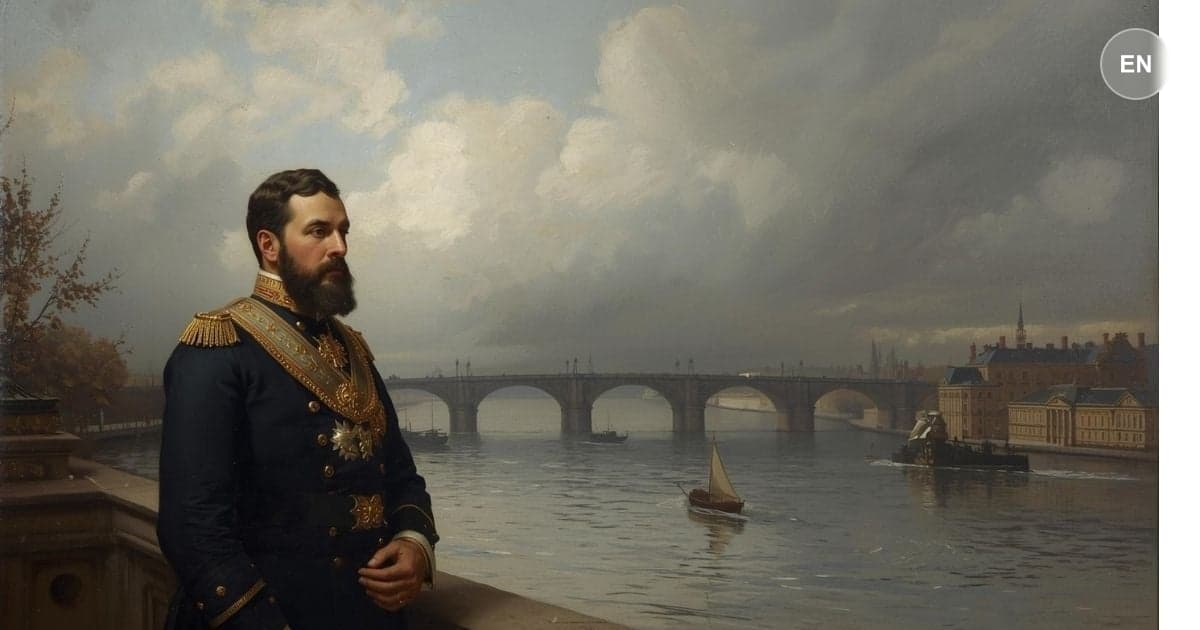
After the review Kutuzov meets an Austrian general in private and makes courtesy sound like a blade. He says he would gladly hand command to a more skilled ally, then cites circumstances, smiles as if belief were optional, and reads Mack's boastful letter predicting easy victory while Russian troops still lack boots.

He sends Andrew to compile scout reports into a French memorandum for the Austrian. Andrew has shed his old languor; staff officers admire or resent him, and Kutuzov has written his father praise. The paperwork is diplomacy: delay dressed as cooperation.

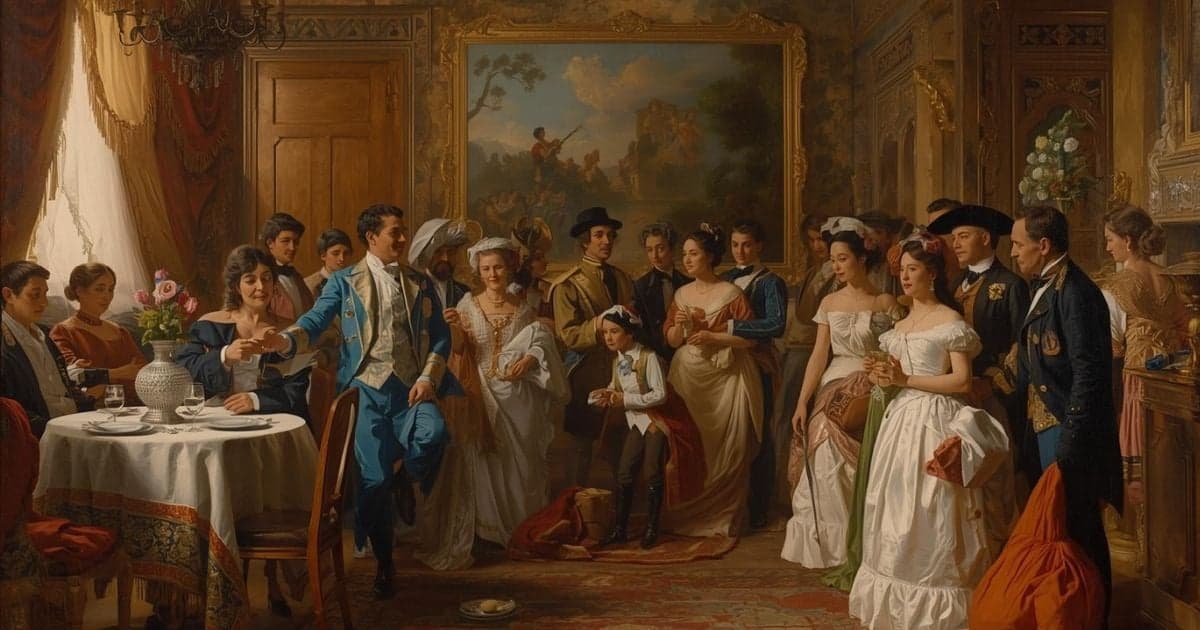
General Mack arrives bandaged and broken, saying you see the unfortunate Mack; the Ulm disaster is real, orders fly, and Zherkov congratulates him with a foolish grin. Andrew, pale and furious, tells Zherkov that forty thousand dead and a destroyed allied army are not material for jokes, and walks away: crisis has shown who treats war as service and who treats it as sport.

In this chapter: Terms Characters Key Quotes Themes Modern Story

Why This Matters

Connect literature to life

Skill: Sorting Crisis Character

Catastrophe shows who serves the mission and who serves the mood. Kutuzov delays with polished French while Mack's entrance ends the fiction; Andrew erupts when Zherkov jokes over forty thousand dead. After bad news, notice who reaches for paperwork, orders, or punchlines.

Coming Up in Chapter 32

With Austrian defeat confirmed and Russian forces marching toward Napoleon, Andrew leaves idle society behind for the front. The next chapter tests whether his new discipline survives when a stolen purse forces a choice between honor and survival.

Share it with friends

PreviousPrevious ChapterNextNext Chapter
Original text
2,406 wordscomplete

Chapter 31

When Bad News Arrives

On returning from the review, Kutúzov took the Austrian general into his private room and, calling his adjutant, asked for some papers relating to the condition of the troops on their arrival, and the letters that had come from the Archduke Ferdinand, who was in command of the advanced army. Prince Andrew Bolkónski came into the room with the required papers. Kutúzov and the Austrian member of the Hofkriegsrath were sitting at the table on which a plan was spread out. “Ah!...” said Kutúzov glancing at Bolkónski as if by this exclamation he was asking the adjutant to wait, and…

Public-domain chapter text, formatted for reading.

Master this chapter. Complete your experience

Purchase the complete book to access all chapters and support classic literature

Buy at Powell'sBuy on Amazon

Available in paperback, hardcover, and e-book formats

Now let's explore the literary elements.

Key Quotes & Analysis

"circumstances are sometimes too strong for us, General."

— Kutuzov

Context: He deflects Austrian pressure to advance immediately

Delay wears the mask of helplessness. Kutuzov keeps agency while sounding deferential.

In Today's Words:

Kutuzov says circumstances are too strong when an ally demands haste. That is diplomacy buying time without a flat no. When a partner says the situation ties their hands, ask what choice they are protecting while sounding helpless. Delay can be strategy dressed as regret.

"Vous voyez le malheureux Mack,"

— General Mack

Context: He enters Kutuzov's room after defeat

One sentence collapses the optimistic letters. The war stops being theory.

In Today's Words:

Mack says you see the unfortunate Mack. The boastful memos die when the defeated general arrives in bandages at headquarters. In any coalition, the moment truth walks in beats a hundred confident slides. Strategy meetings turn when the person who lost shows up and the room goes silent.

"Quarante mille hommes massacrés et l’armée de nos alliés détruite, et vous trouvez là le mot pour rire,”"

— Prince Andrew

Context: He rebukes Zherkov for joking about Mack's arrival

Andrew names mass death against office humor. Professionalism becomes moral line.

In Today's Words:

Andrew says forty thousand killed and an allied army destroyed are not a joke. Crisis exposes who treats casualties as gossip. If you are tempted to lighten the mood after bad news, check whether anyone in the room is counting the dead. Humor after defeat is a character test.

"lackeys who care nothing for their master’s business."

— Prince Andrew

Context: He contrasts true officers with men like Zherkov

Andrew divides staff into servants of spectacle versus servants of the cause.

In Today's Words:

Andrew calls jesting staff lackeys who do not care about the mission. Performative loyalty shows up in every institution: smiles while paperwork burns. Ask whether your humor relieves stress or escapes responsibility when allies have already lost. The joke told you which side the joker serves tonight.

Thematic Threads

Diplomatic Delay

In This Chapter

Kutuzov flatters, cites Mack's optimistic letter, and orders Andrew to summarize scout reports

Development

Russian caution meets Austrian pressure before Ulm reshapes the war

In Your Life:

You might draft a polite memo that says no while sounding cooperative.

Professional Versus Performer

In This Chapter

Andrew rebukes Zherkov after Mack's arrival; Kutuzov stays immobile then acts

Development

Andrew's transformation hardens into moral seriousness

In Your Life:

You might snap when a coworker jokes about a failure that cost lives or livelihoods.

You now have the context. Time to form your own thoughts.

Discussion Questions

This is not a test. Five prompts guide you through the chapter, from how it opens to how it closes, so you notice context and rhythm rather than facts to memorize. Sit with each question in your own words. When you see "One way to read it," treat it as a starting point, not the only answer.

  1. 1

    How does Kutuzov use Mack's letter in talk with the Austrian?

    ▶One way to read it

    He reads Austrian optimism aloud as gentle irony, arguing delay without open refusal.

    analysis • surface
  2. 2

    What has changed in Prince Andrew since he left Russia?

    ▶One way to read it

    He is focused, trusted with serious papers, and respected or resented on staff. War gave him occupation.

    analysis • medium
  3. 3

    When have you seen humor land wrong after serious news?

    ▶One way to read it

    Name who joked, who went silent, and who worked. The split mapped character fast.

    application • medium
  4. 4

    Why does Andrew attack Zherkov instead of comforting him?

    ▶One way to read it

    Andrew defines officerhood as shared grief for the cause. The joke treated allies as spectacle.

    application • deep
  5. 5

    What does Mack's entrance change for the Russian army?

    ▶One way to read it

    Inactive troops will meet the enemy soon. Andrew senses half the campaign is lost already.

    reflection • deep

Critical Thinking Exercise

10 minutes

Map Your Professional Transformation

Think of a time when you went from just getting by to actually being good at something - at work, at home, or in your community. Write down what triggered the change, what specific actions you took differently, and how people started treating you differently. If you haven't experienced this yet, identify one area where you could start taking things more seriously.

Consider:

  • •What crisis or moment made you realize you needed to step up?
  • •Which specific behaviors changed - how you prepared, responded to problems, or treated others?
  • •How did earning respect in one area affect your confidence in other areas?

Journaling Prompt

Write about someone you know who transformed from unreliable to indispensable. What did they do differently, and what can you learn from their approach?

Coming Up Next...

Chapter 32: The Stolen Purse and Honor's Price

With Austrian defeat confirmed and Russian forces marching toward Napoleon, Andrew leaves idle society behind for the front. The next chapter tests whether his new discipline survives when a stolen purse forces a choice between honor and survival.

Continue to Chapter 32
Previous
The General's Inspection
Contents
Next
The Stolen Purse and Honor's Price
Keep exploring

Continue Exploring

Study guides, teaching tools, themes, and the full library.More ways to read War and Peace: study guides, teaching tools, and the wider library.

  • War and Peace Study Guide
  • Teaching Resources
  • Essential Life Index
  • Browse by Theme
  • All Books

Life-skill deep dives in War and Peace

  • Building Authentic RelationshipsForm genuine connections that transcend social expectations in Tolstoy
  • Embracing SimplicityFind meaning in ordinary life rather than grand ambitions in Tolstoy
  • Facing MortalityConfront death and let it inform how you live in Tolstoy
  • Finding Meaning in ChaosDiscover purpose when historical forces seem overwhelming in Tolstoy
  • Questioning SuccessExamine whether achievement brings fulfillment in Tolstoy
  • Understanding Free Will vs FateNavigate the tension between individual choice and historical forces in Tolstoy
Power & CorruptionLove & RelationshipsIdentity & Self-Discovery

You Might Also Like

Anna Karenina cover

Anna Karenina

Leo Tolstoy

Also by Leo Tolstoy

The Idiot cover

The Idiot

Fyodor Dostoevsky

Explores love & romance

Moby-Dick cover

Moby-Dick

Herman Melville

Explores mortality & legacy

Noli Me Tángere cover

Noli Me Tángere

José Rizal

Explores systems thinking

Browse all 106+ books

Share This Chapter

Know someone who'd enjoy this? Spread the wisdom!

TwitterFacebookLinkedInEmail

Go further with Prestige

Unlock study guides and downloads, early access, and exclusive content — and support free access for everyone.

Subscribe to PrestigeCreate free account
Intelligence Amplifier
Intelligence Amplifier™Powering Wide Reads

Exploring human-AI collaboration through books, essays, and philosophical dialogues. Classic literature transformed into navigational maps for modern life.

2025 Books

→ The Amplified Human Spirit→ The Alarming Rise of Stupidity Amplified→ San Francisco: The AI Capital of the World
Visit intelligenceamplifier.org
hello@widereads.com

WideReads Originals

→ You Are Not Lost→ The Last Chapter First→ The Lit of Love→ Wealth and Poverty→ Wisdom for the Wounded
Arvintech
arvintechAmplify your Mind
Visit at arvintech.com

Navigate

  • Home
  • Library
  • Essential Life Index
  • How It Works
  • Subscribe
  • Account
  • About
  • Contact
  • Authors
  • Suggest a Book
  • Landings

Made For You

  • Trending
  • Students
  • Educators
  • Families
  • Readers
  • Literary Analysis
  • Finding Purpose
  • Letting Go
  • Recovering from a Breakup
  • Corruption
  • Gaslighting in the Classics

Newsletter

Weekly insights from the classics. Amplify Your Mind.

Legal

  • Privacy Policy
  • Terms of Service
  • Editorial Standards
  • Cookie Policy
  • Accessibility

Why Public Domain?

We focus on public domain classics because these timeless works belong to everyone. No paywalls, no restrictions—just wisdom that has stood the test of centuries, freely accessible to all readers.

Public domain books have shaped humanity's understanding of love, justice, ambition, and the human condition. By amplifying these works, we help preserve and share literature that truly belongs to the world.

A Pilgrimage

Powell's City of Books

Portland, Oregon

If you ever find yourself in Portland, walk to the corner of Burnside and 10th. The building takes up an entire city block. Inside is over a million books, new and used on the same shelf, organized by color-coded rooms with names like the Rose Room and the Pearl Room. You can lose an afternoon. You can lose a weekend. You will find a book you have been looking for your whole life, and three you did not know existed.

It is a pilgrimage. We cannot find a bookstore like it anywhere on earth. If you read the classics, and you ever get the chance, go. It belongs on every reader's bucket list.

Visit powells.com

We are not in any way affiliated with Powell's. We are just a very big fan.

© 2026 Wide Reads™. All Rights Reserved.

Intelligence Amplifier™ and Wide Reads™ are proprietary trademarks of Arvin Lioanag.

Copyright Protection: All original content, analyses, discussion questions, pedagogical frameworks, and methodology are protected by U.S. and international copyright law. Unauthorized reproduction, distribution, web scraping, or use for AI training is strictly prohibited. See our Copyright Notice for details.

Disclaimer: The information provided on this website is for general informational and educational purposes only and does not constitute professional, legal, financial, or technical advice. While we strive to ensure accuracy and relevance, we make no warranties regarding completeness, reliability, or suitability. Any reliance on such information is at your own risk. We are not liable for any losses or damages arising from use of this site. By using this site, you agree to these terms.