

Chapter 284
When Leaders Lose Control
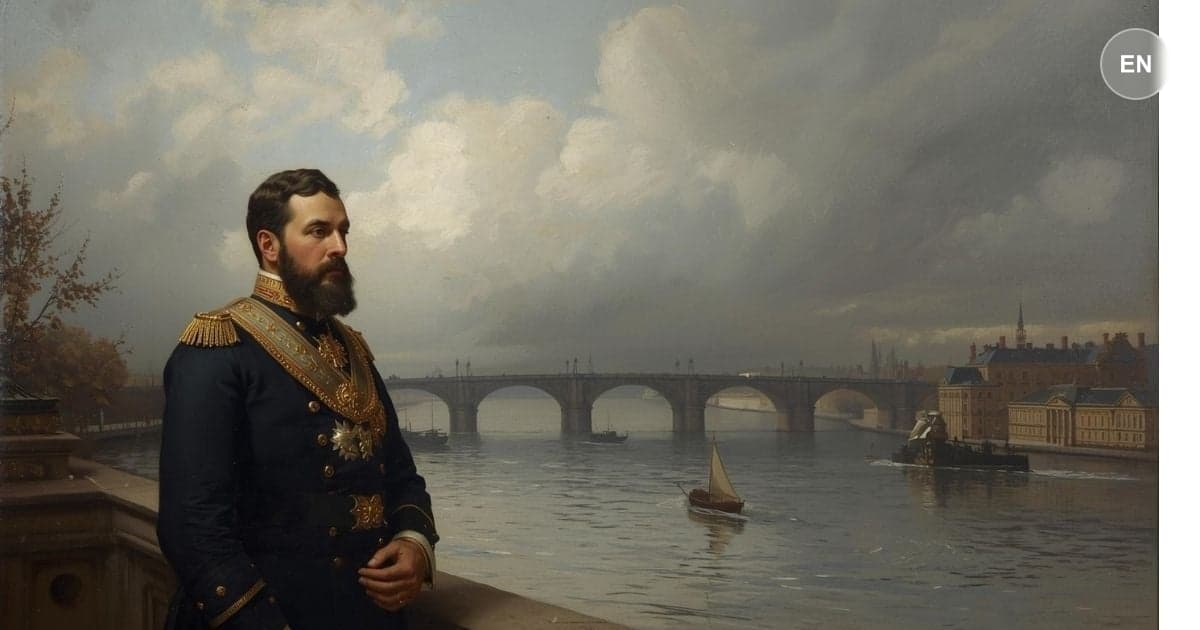
Next day the decrepit Kutúzov, having given orders to be called early, said his prayers, dressed, and, with an unpleasant consciousness of having to direct a battle he did not approve of, got into his calèche and drove from Letashóvka (a village three and a half miles from Tarútino) to the place where the attacking columns were to meet. He sat in the calèche, dozing and waking up by turns, and listening for any sound of firing on the right as an indication that the action had begun. But all was still quiet. A damp dull autumn morning was just…
Public-domain chapter text, formatted for reading.
Critical Thinking Exercise
Trace the Blame Chain
Think of a recent situation where someone in authority (boss, parent, teacher, supervisor) got angry at you or others for something that wasn't really your fault. Map out what was actually happening: What was the real problem? What couldn't they control? Why did they target you instead? Then flip it - recall a time when you did the same thing to someone else.
Consider:
- •Look for the gap between who got blamed and who was actually responsible
- •Notice how powerlessness often gets disguised as taking charge
- •Consider how the person's reputation and relationships were affected by their outburst
Journaling Prompt
Write about a time when you felt overwhelmed by circumstances beyond your control. How did you handle it? If you lashed out at someone, what would you do differently now? If you held it together, what strategies helped you?
Master this chapter. Complete your experience
Purchase the complete book to access all chapters and support classic literature

Available in paperback, hardcover, and e-book formats
You Might Also Like

Lessons from War and Peace
Theme-by-theme analyses that connect this book to modern life skills.
Building Authentic Relationships
Watch Natasha's first dance, Anatole's playbook, and the epilogue marriage that includes reproach.
8 chapters·Explore AnalysisEmbracing Simplicity
Start with a tavern in the rain, then Karataev, Nicholas at the plow, and the domestic language after the war.
6 chapters·Explore AnalysisFacing Mortality
Stay with Andrei under the Austerlitz sky, then at Yaroslavl, when pride finally has no work left.
6 chapters·Explore AnalysisFinding Meaning in Chaos
Follow Pierre from the salon and the inheritance through Borodino to Karataev's prison circle, and see purpose arrive when the systems fail.
6 chapters·Explore AnalysisQuestioning Success
Put Pierre's fortune and Hélène's match next to Napoleon in occupied Moscow, and ask what the triumph was for.
6 chapters·Explore AnalysisUnderstanding Free Will vs Fate
Sit with Tolstoy at Borodino and in the Second Epilogue, and watch the great-man story come apart.
6 chapters·Explore Analysis
Deep diving the literary elements.