Wide Reads
Literature MattersLife IndexEducators
Sign in
Where to Begin
War and Peace - The Burden of Impossible Choices

Leo Tolstoy

War and Peace

The Burden of Impossible Choices

Home›Books›War and Peace›Chapter 233
Previous
233 of 361
Next

Summary

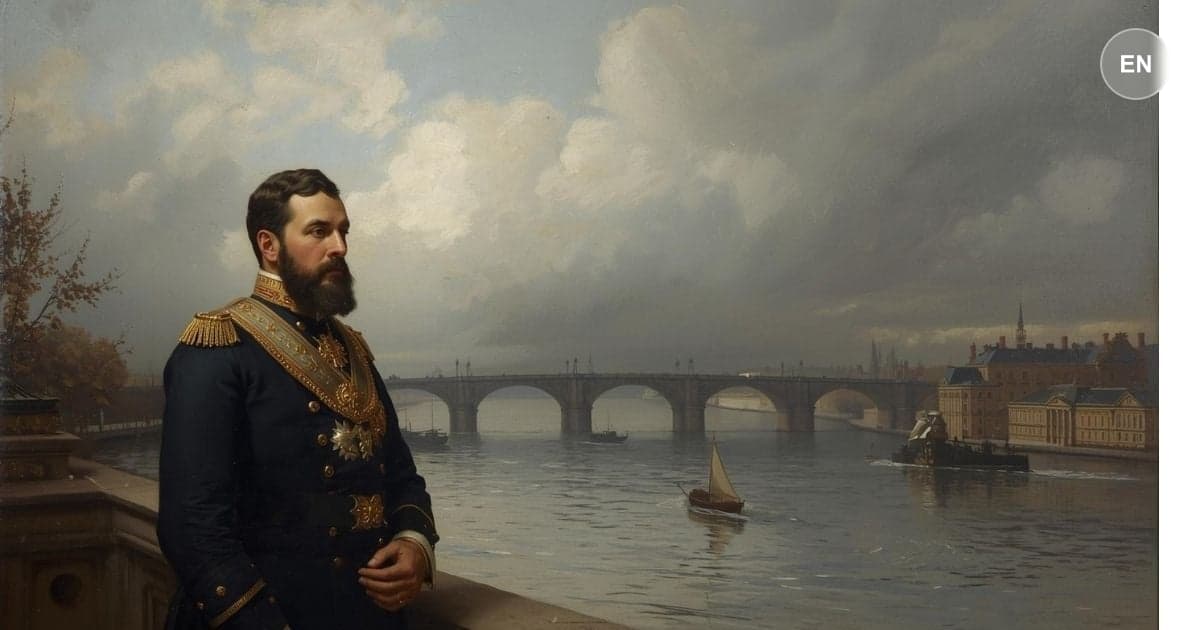
In a cramped peasant hut, Russian generals gather for one of history's most agonizing military decisions: whether to defend Moscow or abandon it to Napoleon. The scene unfolds through the eyes of six-year-old Malásha, who watches from atop a brick oven as grown men wrestle with an impossible choice. General Bennigsen opens with patriotic rhetoric about defending 'Russia's ancient and sacred capital,' but Kutúzov cuts through the emotion with brutal clarity—this isn't about honor, it's about survival. The real question isn't whether to fight, but whether to risk losing both Moscow and the entire army in a doomed battle. As the generals debate, their personalities emerge clearly: some driven by patriotism and pride, others by cold military logic. Bennigsen proposes a risky nighttime maneuver, but Kutúzov demolishes the plan by referencing Bennigsen's past failure at Friedland—a masterful example of how to shut down bad ideas without direct confrontation. In the end, Kutúzov shoulders the terrible responsibility alone, ordering the retreat that will save Russia but cost him personally. The chapter reveals how true leadership often means making unpopular decisions, bearing blame for necessary choices, and prioritizing long-term survival over short-term glory. Malásha's innocent perspective highlights how even children can sense when adults are struggling with forces beyond their control.

Coming Up in Chapter 234

As Moscow prepares for abandonment, the city's residents face their own impossible choices about what to save and what to leave behind. The personal cost of Kutúzov's strategic decision begins to unfold.

Share it with friends

Previous ChapterNext Chapter
GO ADS FREE — JOIN US
Original text
complete·1,389 words
T

he Council of War began to assemble at two in the afternoon in the better and roomier part of Andrew Savostyánov’s hut. The men, women, and children of the large peasant family crowded into the back room across the passage. Only Malásha, Andrew’s six-year-old granddaughter whom his Serene Highness had petted and to whom he had given a lump of sugar while drinking his tea, remained on the top of the brick oven in the larger room. Malásha looked down from the oven with shy delight at the faces, uniforms, and decorations of the generals, who one after another came into the room and sat down on the broad benches in the corner under the icons. “Granddad” himself, as Malásha in her own mind called Kutúzov, sat apart in a dark corner behind the oven. He sat, sunk deep in a folding armchair, and continually cleared his throat and pulled at the collar of his coat which, though it was unbuttoned, still seemed to pinch his neck. Those who entered went up one by one to the field marshal; he pressed the hands of some and nodded to others. His adjutant Kaysárov was about to draw back the curtain of the window facing Kutúzov, but the latter moved his hand angrily and Kaysárov understood that his Serene Highness did not wish his face to be seen.

1 / 8

Master this chapter. Complete your experience

Purchase the complete book to access all chapters and support classic literature

Read Free on GutenbergBuy at Powell'sBuy on Amazon

As an Amazon Associate, we earn a small commission from qualifying purchases at no additional cost to you.

Available in paperback, hardcover, and e-book formats

GO ADS FREE — JOIN US

Why This Matters

Connect literature to life

Skill: Distinguishing Popular from Right

This chapter teaches how to identify when crowd pressure conflicts with actual problem-solving.

Practice This Today

This week, notice when everyone wants the same solution—ask yourself what they're really trying to feel, not just achieve.

GO ADS FREE — JOIN US

Now let's explore the literary elements.

Key Quotes & Analysis

"The question is whether we shall defend Moscow or abandon it"

— Narrator

Context: Setting up the central dilemma of the council meeting

This simple statement captures the agony of leadership - sometimes there are no good choices, only necessary ones. The word 'abandon' carries emotional weight that 'retreat' doesn't.

In Today's Words:

Do we try to save what we love and risk losing everything, or cut our losses now?

"The field marshal made a sign with his head and continued to listen"

— Narrator

Context: Kutúzov's response to patriotic speeches about defending Moscow

Shows Kutúzov's leadership style - he lets others talk themselves out before making his decision. His silence speaks louder than arguments. He's already decided but lets the process play out.

In Today's Words:

Sometimes the smartest thing to say is nothing - let people exhaust their arguments first.

"I cannot approve of the count's plan"

— Kutúzov

Context: Rejecting Bennigsen's proposal for a risky nighttime attack

Kutúzov's diplomatic way of saying 'absolutely not' without humiliating Bennigsen publicly. He references past failures to shut down bad ideas while maintaining military courtesy.

In Today's Words:

That's not going to work, and we both know why.

Thematic Threads

Leadership

In This Chapter

Kutúzov bears sole responsibility for an impossible decision, choosing long-term survival over short-term glory

Development

Evolved from earlier military scenes to show leadership as burden rather than privilege

In Your Life:

You might face this when making unpopular decisions at work or home that protect people who don't understand the stakes.

Class

In This Chapter

Peasant child Malásha observes powerful generals, highlighting how major decisions affect ordinary people who have no voice

Development

Continues theme of how upper-class decisions impact working people

In Your Life:

You might recognize this when management makes changes that affect your daily work without consulting you.

Sacrifice

In This Chapter

Kutúzov sacrifices his reputation and Moscow itself to save Russia's future

Development

Builds on earlier themes of personal cost for greater good

In Your Life:

You might face this when choosing between what looks good and what actually protects your family's future.

Perspective

In This Chapter

Child's innocent viewpoint contrasts with adults' agonizing over forces beyond control

Development

Reinforces how different viewpoints reveal different truths

In Your Life:

You might notice this when your kids see situations more clearly than the adults who complicate them.

Pride

In This Chapter

Generals' patriotic rhetoric clashes with military necessity, showing how pride can blind judgment

Development

Continues exploration of how ego interferes with practical decision-making

In Your Life:

You might see this when your pride makes you want to fight battles that you can't actually win.

GO ADS FREE — JOIN US

You now have the context. Time to form your own thoughts.

Discussion Questions

  1. 1

    Why does Kutuzov choose to abandon Moscow instead of defending it, even though he knows it will make him unpopular?

    analysis • surface
  2. 2

    How does Kutuzov shut down Bennigsen's risky battle plan without directly saying 'that's a terrible idea'?

    analysis • medium
  3. 3

    Where have you seen someone make an unpopular decision that turned out to be right in the long run?

    application • medium
  4. 4

    When you're in charge of something important, how do you decide between doing what people want and doing what you think is right?

    application • deep
  5. 5

    What does this chapter reveal about the difference between leadership and popularity?

    reflection • deep

Critical Thinking Exercise

10 minutes

Map Your Own Impossible Choice

Think of a time when you had to choose between doing what people wanted and doing what you thought was right. Write down both options and list the real costs of each choice - not just to you, but to everyone involved. Then identify who would benefit from each decision in the short term versus the long term.

Consider:

  • •Consider who bears the immediate consequences versus the long-term consequences
  • •Think about whether the popular choice actually helps or just feels good
  • •Ask yourself what you'd want someone to do if you were depending on their decision

Journaling Prompt

Write about a decision you're facing right now where you're torn between doing what's popular and what you think is right. What would Kutuzov do?

Coming Up Next...

Chapter 234: When Leaders Panic and People Act

As Moscow prepares for abandonment, the city's residents face their own impossible choices about what to save and what to leave behind. The personal cost of Kutúzov's strategic decision begins to unfold.

Continue to Chapter 234
Previous
The Weight of Impossible Decisions
Contents
Next
When Leaders Panic and People Act

Continue Exploring

War and Peace Study GuideTeaching ResourcesEssential Life IndexBrowse by ThemeAll Books
Power & CorruptionLove & RelationshipsIdentity & Self-Discovery

You Might Also Like

Anna Karenina cover

Anna Karenina

Leo Tolstoy

Also by Leo Tolstoy

The Idiot cover

The Idiot

Fyodor Dostoevsky

Explores love & romance

Moby-Dick cover

Moby-Dick

Herman Melville

Explores mortality & legacy

Dracula cover

Dracula

Bram Stoker

Explores love & romance

Browse all 47+ books

Share This Chapter

Know someone who'd enjoy this? Spread the wisdom!

TwitterFacebookLinkedInEmail

Read ad-free with Prestige

Get rid of ads, unlock study guides and downloads, and support free access for everyone.

Subscribe to PrestigeCreate free account
Intelligence Amplifier
Intelligence Amplifier™Powering Wide Reads

Exploring human-AI collaboration through books, essays, and philosophical dialogues. Classic literature transformed into navigational maps for modern life.

2025 Books

→ The Amplified Human Spirit→ The Alarming Rise of Stupidity Amplified→ San Francisco: The AI Capital of the World
Visit intelligenceamplifier.org
hello@widereads.com

WideReads Originals

→ You Are Not Lost→ The Last Chapter First→ The Lit of Love→ Wealth and Poverty→ 10 Paradoxes in the Classics · coming soon
Arvintech
arvintechAmplify your Mind
Visit at arvintech.com

Navigate

  • Home
  • Library
  • Essential Life Index
  • How It Works
  • Subscribe
  • Account
  • About
  • Contact
  • Authors
  • Suggest a Book
  • Landings

Made For You

  • Students
  • Educators
  • Families
  • Readers
  • Literary Analysis
  • Finding Purpose
  • Letting Go
  • Recovering from a Breakup
  • Corruption
  • Gaslighting in the Classics

Newsletter

Weekly insights from the classics. Amplify Your Mind.

Legal

  • Privacy Policy
  • Terms of Service
  • Cookie Policy
  • Accessibility

Why Public Domain?

We focus on public domain classics because these timeless works belong to everyone. No paywalls, no restrictions—just wisdom that has stood the test of centuries, freely accessible to all readers.

Public domain books have shaped humanity's understanding of love, justice, ambition, and the human condition. By amplifying these works, we help preserve and share literature that truly belongs to the world.

A Pilgrimage

Powell's City of Books

Portland, Oregon

If you ever find yourself in Portland, walk to the corner of Burnside and 10th. The building takes up an entire city block. Inside is over a million books, new and used on the same shelf, organized by color-coded rooms with names like the Rose Room and the Pearl Room. You can lose an afternoon. You can lose a weekend. You will find a book you have been looking for your whole life, and three you did not know existed.

It is a pilgrimage. We cannot find a bookstore like it anywhere on earth. If you read the classics, and you ever get the chance, go. It belongs on every reader's bucket list.

Visit powells.com

We are not in any way affiliated with Powell's. We are just a very big fan.

© 2026 Wide Reads™. All Rights Reserved.

Intelligence Amplifier™ and Wide Reads™ are proprietary trademarks of Arvin Lioanag.

Copyright Protection: All original content, analyses, discussion questions, pedagogical frameworks, and methodology are protected by U.S. and international copyright law. Unauthorized reproduction, distribution, web scraping, or use for AI training is strictly prohibited. See our Copyright Notice for details.

Disclaimer: The information provided on this website is for general informational and educational purposes only and does not constitute professional, legal, financial, or technical advice. While we strive to ensure accuracy and relevance, we make no warranties regarding completeness, reliability, or suitability. Any reliance on such information is at your own risk. We are not liable for any losses or damages arising from use of this site. By using this site, you agree to these terms.