Master this chapter. Complete your experience
Purchase the complete book to access all chapters and support classic literature

As an Amazon Associate, we earn a small commission from qualifying purchases at no additional cost to you.
Available in paperback, hardcover, and e-book formats
Why This Matters
Connect literature to life
This chapter teaches how to recognize when admiration has become self-destructive worship that demands dignity as payment.
Practice This Today
This week, notice when you make excuses for someone's poor treatment of you because of their status—and ask yourself if you'd accept the same behavior from anyone else.
Now let's explore the literary elements.
Key Quotes & Analysis
"It was on the very fact of being so young that Petya counted for success in reaching the Emperor—he even thought how surprised everyone would be at his youthfulness—and yet in the arrangement of his collar and hair and by his sedate deliberate walk he wished to appear a grown-up man."
Context: As Petya prepares to petition the Emperor directly
This perfectly captures the contradiction of adolescence - wanting to be taken seriously as an adult while also expecting special treatment for being young. Petya wants it both ways.
In Today's Words:
He thought being young would make him special and get attention, but he also tried to look older so people would respect him.
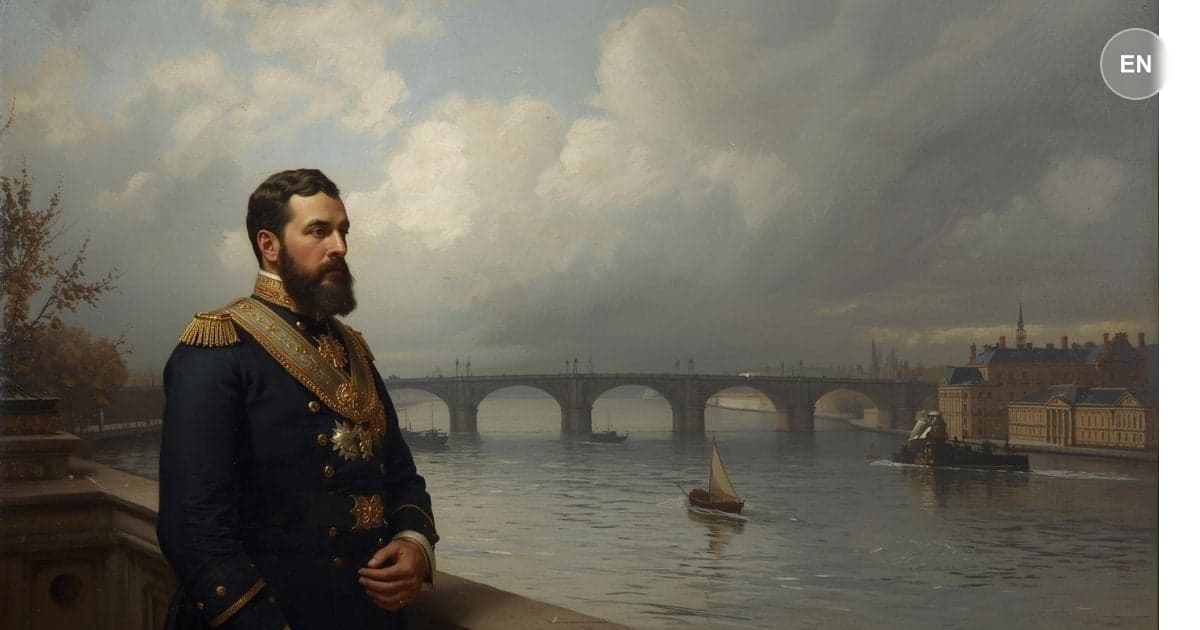
"The Emperor threw the biscuits down from the balcony as one throws grain to chickens."
Context: Describing how the Emperor feeds the crowd
This dehumanizing image shows how absolute power corrupts both ruler and ruled. The Emperor treats his subjects like animals, and they scramble for scraps like animals.
In Today's Words:
He tossed treats to the people like they were pets begging for food.
"Petya pushed forward desperately, and even knocked down an old woman who was reaching for a biscuit."
Context: During the scramble for the Emperor's thrown biscuits
Shows how hero worship can destroy moral compass. Petya, who started with noble intentions, ends up hurting innocent people for a meaningless token.
In Today's Words:
He shoved an old lady out of the way just to get a crumb from his hero.
Thematic Threads
Class
In This Chapter
Pétya's privileged background makes him a target for mockery among common people, while his youth makes him vulnerable to the crowd's violence
Development
Building on earlier themes of class barriers, showing how privilege can become a liability in certain contexts
In Your Life:
You might find your education or background working against you in situations where it marks you as 'other'
Identity
In This Chapter
Pétya carefully constructs an adult appearance and rehearses mature speeches, but his true youth shows through under pressure
Development
Continuing exploration of characters trying to be someone they're not, with increasingly dangerous consequences
In Your Life:
You might recognize times when you've tried to project an image that doesn't match your actual experience or capabilities
Disillusionment
In This Chapter
Pétya's romantic vision of noble military service crashes against the brutal reality of crowds, violence, and imperial pageantry
Development
Introduced here as a major theme that will likely continue developing
In Your Life:
You might remember your first encounter with how institutions actually work versus how you imagined they would
Power
In This Chapter
The Emperor's casual throwing of biscuits to the crowd like feeding animals reveals the dehumanizing nature of absolute power
Development
Developing the theme of how power corrupts both those who hold it and those who worship it
In Your Life:
You might notice how people in authority positions sometimes treat others as less than human, or how you've been treated that way yourself
Desperation
In This Chapter
Pétya's willingness to knock down an old woman for a biscuit shows how desperate need can override moral boundaries
Development
Introduced here, showing how extreme circumstances can reveal hidden aspects of character
In Your Life:
You might recognize moments when you've compromised your values because you wanted something badly enough
You now have the context. Time to form your own thoughts.
Discussion Questions
- 1
What was Pétya's plan to meet the Emperor, and how did reality differ from his expectations?
analysis • surface - 2
Why do you think Pétya fought so desperately for the Emperor's biscuit, even knocking down an old woman?
analysis • medium - 3
Where have you seen people compromise their dignity to get close to someone famous or powerful?
application • medium - 4
How would you help a friend recognize when their admiration for someone is turning into unhealthy worship?
application • deep - 5
What does Pétya's experience reveal about the difference between respecting someone's achievements and worshipping the person?
reflection • deep
Critical Thinking Exercise
Draw Your Hero Worship Map
Think of someone you greatly admire—a celebrity, boss, mentor, or public figure. Draw or describe the 'distance' between you and them, then list three things you've done or might do to get closer to them. Finally, mark which actions maintain your dignity and which might compromise it.
Consider:
- •Notice how the gap between you and your hero affects your behavior
- •Consider whether your admiration enhances or diminishes your self-respect
- •Think about the difference between learning from someone and needing their approval
Journaling Prompt
Write about a time when you realized you were trying too hard to impress someone you admired. What did that cost you, and how would you handle it differently now?
Coming Up Next...
Chapter 189: When the Room Turns Against You
Count Rostóv faces an impossible choice as Pétya threatens to run away if denied military service. The family must navigate between a boy's desperate need to prove himself and a father's knowledge of war's true cost.