Wide Reads
Literature MattersLife IndexEducators
Sign in
Where to Begin
War and Peace - Power's Cruel Servants

Leo Tolstoy

War and Peace

Power's Cruel Servants

Home›Books›War and Peace›Chapter 172
Previous
172 of 361
Next

Summary

Balashev, carrying Alexander's diplomatic letter, encounters Marshal Davout—Napoleon's ruthless enforcer. Tolstoy opens with a chilling observation: every power system needs its wolves, cruel men who express loyalty through brutality. Davout perfectly embodies this type. He deliberately works in miserable conditions—sitting on a barrel in a peasant's shed—to justify his perpetual gloom and harsh treatment of others. When Balashev arrives, animated from his pleasant morning, Davout becomes even more hostile, as if the Russian's good spirits personally offend him. Despite Balashev's diplomatic status, Davout treats him with calculated disrespect, demanding the letter and dismissing his protests about proper protocol. The marshal clearly enjoys watching Balashev's confusion and distress. After confiscating the letter, Davout leaves Balashev under guard for four days of isolation and humiliation—a deliberate psychological assault. The chapter ends with bitter irony: Balashev is brought back to the same house in Vilna where Alexander had sent him on this mission, but now French guards stand where Russian sentinels once did. This encounter reveals how authoritarian systems depend on sadistic middle managers who channel their personal darkness into institutional cruelty. Davout isn't just following orders—he's weaponizing his own misery against anyone who dares show life or dignity.

Coming Up in Chapter 173

After days of deliberate humiliation, Balashev finally gets his audience with Napoleon himself. But will the Emperor prove more reasonable than his brutal marshal, or is this just another layer of the power game?

Share it with friends

Previous ChapterNext Chapter
GO ADS FREE — JOIN US
Original text
complete·834 words
D

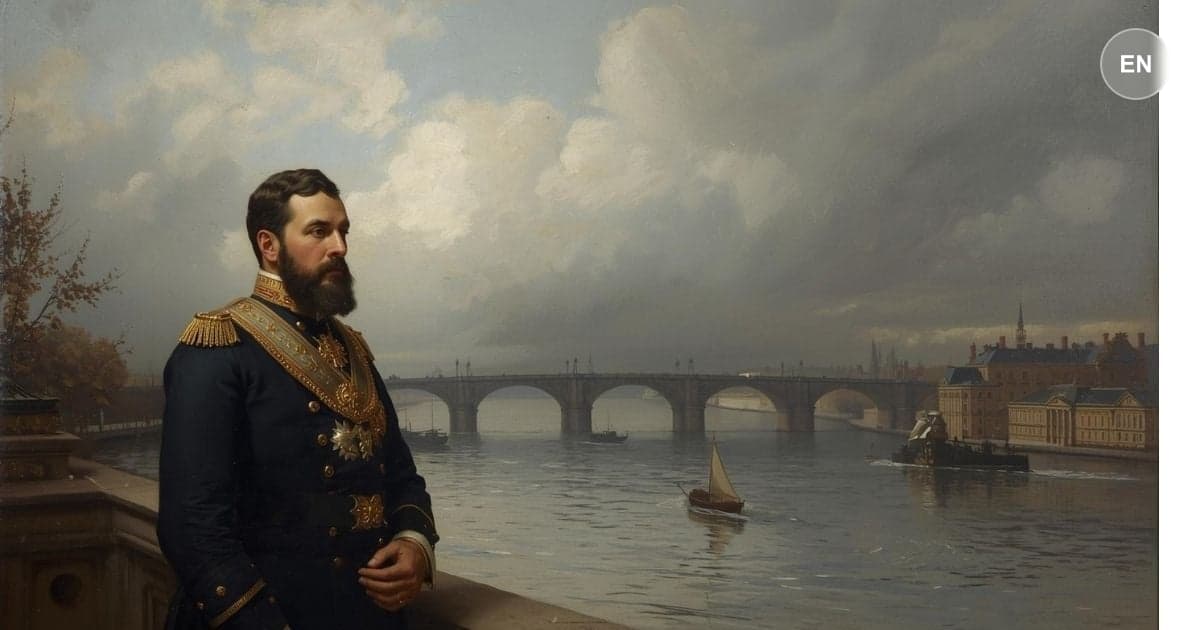
avout was to Napoleon what Arakchéev was to Alexander—though not a coward like Arakchéev, he was as precise, as cruel, and as unable to express his devotion to his monarch except by cruelty.

In the organism of states such men are necessary, as wolves are necessary in the organism of nature, and they always exist, always appear and hold their own, however incongruous their presence and their proximity to the head of the government may be. This inevitability alone can explain how the cruel Arakchéev, who tore out a grenadier’s mustache with his own hands, whose weak nerves rendered him unable to face danger, and who was neither an educated man nor a courtier, was able to maintain his powerful position with Alexander, whose own character was chivalrous, noble, and gentle.

1 / 5

Master this chapter. Complete your experience

Purchase the complete book to access all chapters and support classic literature

Read Free on GutenbergBuy at Powell'sBuy on Amazon

As an Amazon Associate, we earn a small commission from qualifying purchases at no additional cost to you.

Available in paperback, hardcover, and e-book formats

GO ADS FREE — JOIN US

Why This Matters

Connect literature to life

Skill: Detecting Institutional Sadism

This chapter teaches how to recognize people who use their position to inflict personal misery on others while claiming they're just doing their job.

Practice This Today

This week, notice when someone in authority seems to enjoy making others uncomfortable—watch if they get more hostile when you show confidence or joy.

GO ADS FREE — JOIN US

Now let's explore the literary elements.

Key Quotes & Analysis

"In the organism of states such men are necessary, as wolves are necessary in the organism of nature, and they always exist, always appear and hold their own."

— Narrator

Context: Tolstoy explaining why cruel enforcers like Davout exist in every power structure

This reveals Tolstoy's dark insight about how systems work - they need people willing to do terrible things. It's not a bug, it's a feature of how power operates.

In Today's Words:

Every organization needs someone willing to be the bad guy - and there's always someone ready to fill that role.

"How can I think of the bright side of life when, as you see, I am sitting on a barrel and working in a dirty shed?"

— Davout (implied thoughts)

Context: Davout's self-justification for his perpetual gloom and cruelty toward others

This shows how some people weaponize their own misery. Davout chooses these conditions to justify his behavior - it's performative suffering.

In Today's Words:

I'm having a hard time, so I'm going to make sure everyone else does too.

"The chief pleasure and necessity of such men, when they encounter anyone who shows animation, is to flaunt their own dreary existence."

— Narrator

Context: Explaining why Davout becomes more hostile when he sees Balashev's good spirits

Tolstoy identifies a specific psychological pattern - how miserable people actively resent and attack happiness in others. It's not accidental; it's intentional cruelty.

In Today's Words:

Some people can't stand to see others happy, so they make it their mission to bring everyone down to their level.

Thematic Threads

Power

In This Chapter

Davout uses his authority not to serve military goals but to satisfy personal cruelty, treating diplomatic protocol as an opportunity for psychological warfare

Development

Evolved from earlier portrayals of power as corrupting to show how systems actively reward and protect those who weaponize their positions

In Your Life:

You encounter this when dealing with gatekeepers who seem to enjoy making simple processes difficult or painful.

Class

In This Chapter

Davout deliberately works in peasant conditions to justify treating a nobleman with contempt, using artificial humility as a weapon

Development

Continues the theme of class boundaries but shows how they can be weaponized by those who claim to reject them

In Your Life:

You see this when people use their humble backgrounds to justify treating others poorly, claiming moral superiority through suffering.

Identity

In This Chapter

Davout has crafted an identity around justified misery, making others' happiness feel like a personal attack on his worldview

Development

Shows how some people build identity around their wounds and then defend that identity through cruelty

In Your Life:

You encounter this in people who seem threatened by your success or happiness, as if your well-being diminishes their story.

Social Expectations

In This Chapter

The diplomatic protocols that should protect Balashev become tools for his humiliation when someone chooses to ignore civilized norms

Development

Reveals how social contracts only work when all parties honor them, and systems often protect those who violate them

In Your Life:

You experience this when following proper procedures or being polite gets you nowhere because someone in power enjoys breaking the rules.

Human Relationships

In This Chapter

The interaction reveals how some relationships are purely predatory, with one person feeding off another's distress or confusion

Development

Introduced here as a dark counterpoint to the novel's emphasis on human connection and understanding

In Your Life:

You recognize this in relationships where someone seems energized by your problems and disappointed by your successes.

You now have the context. Time to form your own thoughts.

Discussion Questions

  1. 1

    Why does Davout choose to work in miserable conditions when he could demand better accommodations?

    analysis • surface
  2. 2

    How does Davout use Balashev's good spirits against him, and what does this reveal about his psychology?

    analysis • medium
  3. 3

    Where have you encountered people who seem to enjoy making others uncomfortable or miserable in professional settings?

    application • medium
  4. 4

    What strategies would you use to protect yourself when dealing with someone who weaponizes their authority for personal satisfaction?

    application • deep
  5. 5

    Why do power systems reward people like Davout, and what does this teach us about institutional behavior?

    reflection • deep

Critical Thinking Exercise

10 minutes

Identify the Institutional Sadist

Think of a time when you encountered someone in authority who seemed to enjoy making your life difficult—not because of rules or necessity, but because they could. Write down what they did, how they justified it, and what the real motivation seemed to be. Then identify three warning signs that could help you spot this pattern earlier next time.

Consider:

  • •Look for people who create unnecessary obstacles while claiming to follow procedure
  • •Notice when someone's mood improves as yours gets worse during an interaction
  • •Pay attention to whether they treat different people differently based on perceived power or status

Journaling Prompt

Write about a situation where you had to deal with institutional cruelty. How did you handle it? What would you do differently now that you can name this pattern?

Coming Up Next...

Chapter 173: Napoleon's Power Performance Unravels

After days of deliberate humiliation, Balashev finally gets his audience with Napoleon himself. But will the Emperor prove more reasonable than his brutal marshal, or is this just another layer of the power game?

Continue to Chapter 173
Previous
The Diplomatic Mission Begins
Contents
Next
Napoleon's Power Performance Unravels

Continue Exploring

War and Peace Study GuideTeaching ResourcesEssential Life IndexBrowse by ThemeAll Books
Power & CorruptionLove & RelationshipsIdentity & Self-Discovery

You Might Also Like

Anna Karenina cover

Anna Karenina

Leo Tolstoy

Also by Leo Tolstoy

The Idiot cover

The Idiot

Fyodor Dostoevsky

Explores love & romance

Moby-Dick cover

Moby-Dick

Herman Melville

Explores mortality & legacy

Dracula cover

Dracula

Bram Stoker

Explores love & romance

Browse all 47+ books

Share This Chapter

Know someone who'd enjoy this? Spread the wisdom!

TwitterFacebookLinkedInEmail

Read ad-free with Prestige

Get rid of ads, unlock study guides and downloads, and support free access for everyone.

Subscribe to PrestigeCreate free account
Intelligence Amplifier
Intelligence Amplifier™Powering Wide Reads

Exploring human-AI collaboration through books, essays, and philosophical dialogues. Classic literature transformed into navigational maps for modern life.

2025 Books

→ The Amplified Human Spirit→ The Alarming Rise of Stupidity Amplified→ San Francisco: The AI Capital of the World
Visit intelligenceamplifier.org
hello@widereads.com

WideReads Originals

→ You Are Not Lost→ The Last Chapter First→ The Lit of Love→ Wealth and Poverty→ 10 Paradoxes in the Classics · coming soon
Arvintech
arvintechAmplify your Mind
Visit at arvintech.com

Navigate

  • Home
  • Library
  • Essential Life Index
  • How It Works
  • Subscribe
  • Account
  • About
  • Contact
  • Authors
  • Suggest a Book
  • Landings

Made For You

  • Students
  • Educators
  • Families
  • Readers
  • Literary Analysis
  • Finding Purpose
  • Letting Go
  • Recovering from a Breakup
  • Corruption
  • Gaslighting in the Classics

Newsletter

Weekly insights from the classics. Amplify Your Mind.

Legal

  • Privacy Policy
  • Terms of Service
  • Cookie Policy
  • Accessibility

Why Public Domain?

We focus on public domain classics because these timeless works belong to everyone. No paywalls, no restrictions—just wisdom that has stood the test of centuries, freely accessible to all readers.

Public domain books have shaped humanity's understanding of love, justice, ambition, and the human condition. By amplifying these works, we help preserve and share literature that truly belongs to the world.

A Pilgrimage

Powell's City of Books

Portland, Oregon

If you ever find yourself in Portland, walk to the corner of Burnside and 10th. The building takes up an entire city block. Inside is over a million books, new and used on the same shelf, organized by color-coded rooms with names like the Rose Room and the Pearl Room. You can lose an afternoon. You can lose a weekend. You will find a book you have been looking for your whole life, and three you did not know existed.

It is a pilgrimage. We cannot find a bookstore like it anywhere on earth. If you read the classics, and you ever get the chance, go. It belongs on every reader's bucket list.

Visit powells.com

We are not in any way affiliated with Powell's. We are just a very big fan.

© 2026 Wide Reads™. All Rights Reserved.

Intelligence Amplifier™ and Wide Reads™ are proprietary trademarks of Arvin Lioanag.

Copyright Protection: All original content, analyses, discussion questions, pedagogical frameworks, and methodology are protected by U.S. and international copyright law. Unauthorized reproduction, distribution, web scraping, or use for AI training is strictly prohibited. See our Copyright Notice for details.

Disclaimer: The information provided on this website is for general informational and educational purposes only and does not constitute professional, legal, financial, or technical advice. While we strive to ensure accuracy and relevance, we make no warranties regarding completeness, reliability, or suitability. Any reliance on such information is at your own risk. We are not liable for any losses or damages arising from use of this site. By using this site, you agree to these terms.