Wide Reads
Literature MattersLife IndexEducators
Sign in
Where to Begin
War and Peace - The Comfort of Avoidance

Leo Tolstoy

War and Peace

The Comfort of Avoidance

Home›Books›War and Peace›Chapter 133
Previous
133 of 361
Next

Summary

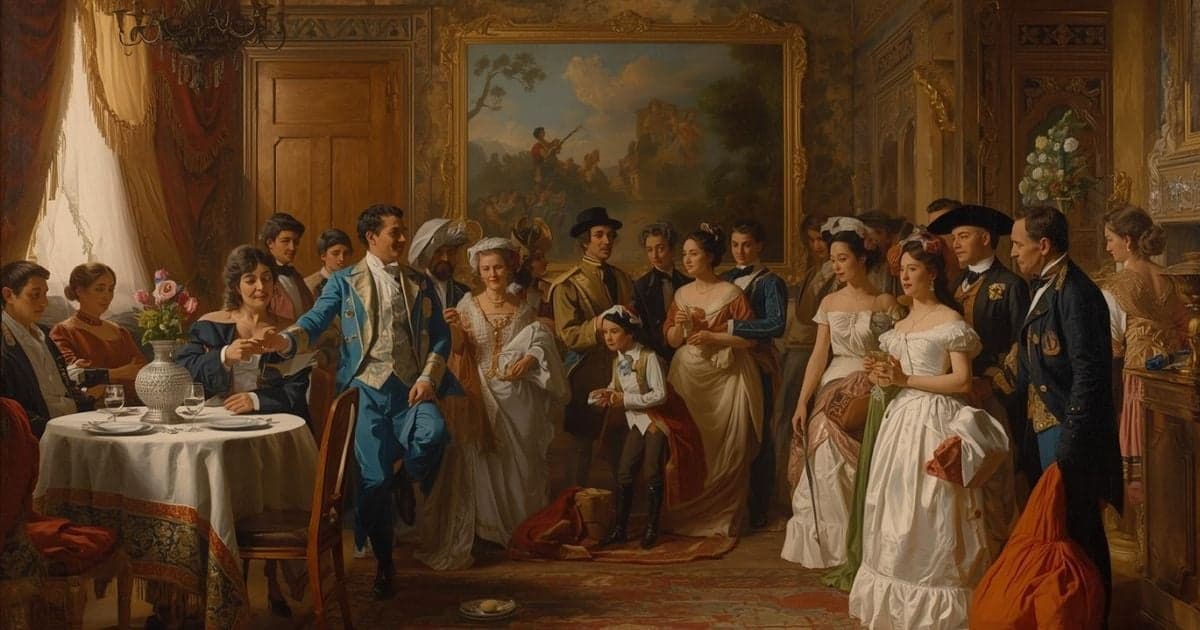
Nicholas Rostov has found his perfect life in the military - a world where idleness is not only acceptable but expected, where he's respected and comfortable, and where he's safely removed from all the messy complications of family life. But letters from home keep arriving with increasingly desperate pleas. His family's finances are collapsing, his father is too trusting and weak to manage their affairs, and his mother begs him to return before they lose everything. Nicholas dreads the thought of leaving his simple, ordered military world for the chaos of family responsibilities, financial problems, and complex relationships waiting at home. When he finally does return, he discovers that home is both exactly the same and completely different. His parents have aged, worry lines their faces, and tension fills the house due to their dire financial situation. His sister Natasha is engaged to Prince Bolkonsky, but Nicholas senses something isn't quite right about the match - the wedding has been postponed for a year, and even their mother seems to have doubts. Natasha appears calm and content about her engagement, which strikes Nicholas as odd for someone supposedly deeply in love. This chapter explores how we often retreat into comfortable situations to avoid dealing with difficult realities, but eventually life forces us to face what we've been running from. Nicholas's reluctance to leave the military mirrors how many of us cling to familiar routines even when we know we need to step up and handle bigger responsibilities.

Coming Up in Chapter 134

As Nicholas settles back into family life, he'll need to confront the full extent of their financial crisis and make some hard decisions about his future. Meanwhile, questions about Natasha's engagement continue to trouble him.

Share it with friends

Previous ChapterNext Chapter
GO ADS FREE — JOIN US
Original text
complete·1,697 words
T

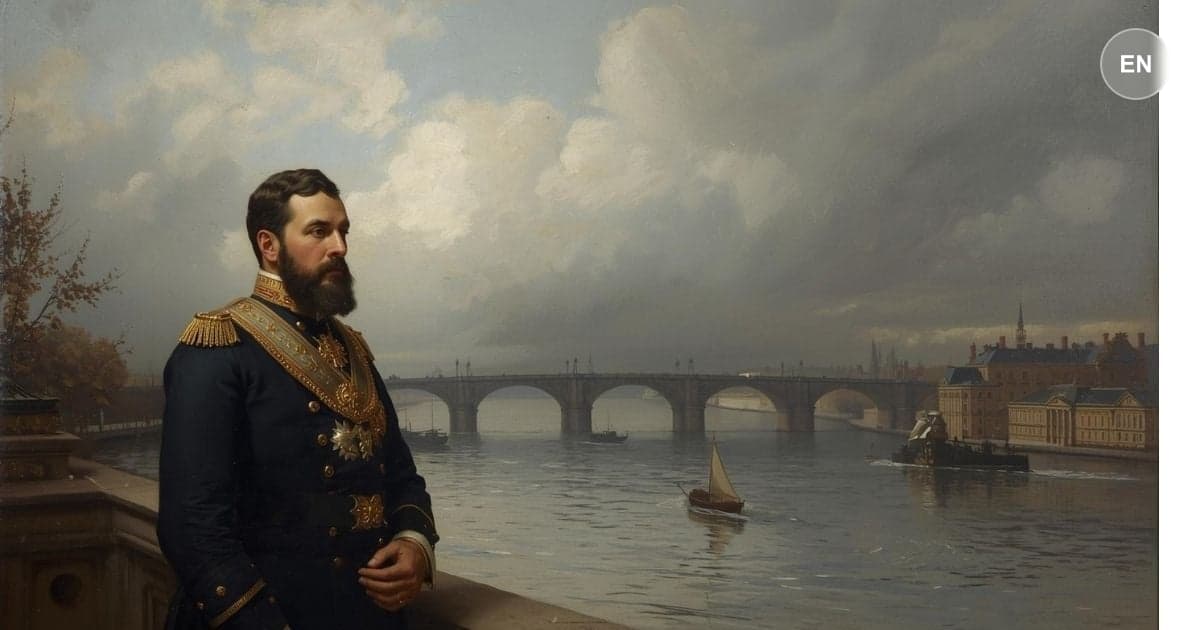
he Bible legend tells us that the absence of labor—idleness—was a condition of the first man’s blessedness before the Fall. Fallen man has retained a love of idleness, but the curse weighs on the race not only because we have to seek our bread in the sweat of our brows, but because our moral nature is such that we cannot be both idle and at ease. An inner voice tells us we are in the wrong if we are idle. If man could find a state in which he felt that though idle he was fulfilling his duty, he would have found one of the conditions of man’s primitive blessedness. And such a state of obligatory and irreproachable idleness is the lot of a whole class—the military. The chief attraction of military service has consisted and will consist in this compulsory and irreproachable idleness.

Nicholas Rostóv experienced this blissful condition to the full when, after 1807, he continued to serve in the Pávlograd regiment, in which he already commanded the squadron he had taken over from Denísov.

1 / 10

Master this chapter. Complete your experience

Purchase the complete book to access all chapters and support classic literature

Read Free on GutenbergBuy at Powell'sBuy on Amazon

As an Amazon Associate, we earn a small commission from qualifying purchases at no additional cost to you.

Available in paperback, hardcover, and e-book formats

GO ADS FREE — JOIN US

Why This Matters

Connect literature to life

Skill: Recognizing Comfortable Avoidance Patterns

This chapter teaches how to identify when we use legitimate activities (work, hobbies, self-improvement) to avoid dealing with harder responsibilities or relationships.

Practice This Today

This week, notice when you suddenly get very busy with comfortable tasks right after receiving difficult news or requests—that's your avoidance signal firing.

GO ADS FREE — JOIN US

Now let's explore the literary elements.

Key Quotes & Analysis

"If man could find a state in which he felt that though idle he was fulfilling his duty, he would have found one of the conditions of man's primitive blessedness."

— Narrator

Context: Opening reflection on why military life appeals to Nicholas

This explains the psychological appeal of military service - you can be inactive without guilt because inactivity is part of your duty. It's a perfect escape from the anxiety of feeling like you should always be doing something productive.

In Today's Words:

Imagine getting paid to be on standby - you're not working, but you're not slacking off either because that's literally your job.

"Their affairs were falling into greater and greater disorder, and that it was time for him to come home."

— Narrator (describing mother's letters)

Context: The family's increasingly desperate financial situation

This shows how family crises don't wait for convenient timing. Nicholas is being called away from his comfortable life to deal with messy, complicated problems that have no clear solutions.

In Today's Words:

The bills are piling up and we need you to come home and help figure this out before we lose everything.

"His Moscow acquaintances would have considered rather bad form, but who was liked and respected by his comrades, subordinates, and superiors."

— Narrator

Context: Describing how Nicholas has changed in military life

This highlights the difference between fitting into high society versus being genuinely respected for who you are. Nicholas has found a place where his authentic self is valued, even if it wouldn't impress the fancy crowd back home.

In Today's Words:

The rich kids from his old neighborhood would think he was too rough around the edges now, but everyone at work actually likes and respects him.

Thematic Threads

Responsibility

In This Chapter

Nicholas dreads leaving military comfort for family financial crisis and complex relationships at home

Development

Evolved from earlier themes of duty—now showing how we avoid responsibilities that feel too big

In Your Life:

You might recognize this when you stay busy with easy tasks to avoid dealing with bigger life decisions.

Class

In This Chapter

The Rostov family faces financial ruin that threatens their social position and way of life

Development

Continuing exploration of how economic pressures destroy aristocratic families

In Your Life:

You might see this when financial stress forces your family to change their lifestyle or expectations.

Identity

In This Chapter

Nicholas has built his sense of self around military life and fears losing that comfortable identity

Development

Building on earlier themes of characters struggling with who they are versus who they must become

In Your Life:

You might face this when a job change or life transition threatens the identity you've built around your current role.

Family Dynamics

In This Chapter

Nicholas returns to find parents aged by worry and a sister whose engagement seems questionable

Development

Deepening the exploration of how family members change and relationships shift under pressure

In Your Life:

You might experience this when you realize your parents are aging or your siblings are making choices you can't understand.

Intuition

In This Chapter

Nicholas senses something wrong with Natasha's engagement despite her outward calm

Development

Introduced here as Nicholas demonstrates the ability to read emotional undercurrents

In Your Life:

You might recognize this when something feels 'off' about a family member's relationship even when they insist everything is fine.

GO ADS FREE — JOIN US

You now have the context. Time to form your own thoughts.

Discussion Questions

  1. 1

    Why does Nicholas prefer military life over dealing with his family's problems at home?

    analysis • surface
  2. 2

    What makes the army a 'safe space' for Nicholas when his family situation feels overwhelming?

    analysis • medium
  3. 3

    Where do you see people today using work, hobbies, or other activities to avoid dealing with difficult family or personal situations?

    application • medium
  4. 4

    When you're avoiding a difficult situation, how do you decide when it's time to stop avoiding and start dealing with it?

    application • deep
  5. 5

    What does Nicholas's situation teach us about the difference between feeling needed and feeling overwhelmed?

    reflection • deep

Critical Thinking Exercise

10 minutes

Map Your Comfort Zone Escape Routes

Think about a current situation in your life that feels overwhelming or stressful. Now identify where you go or what you do when you want to avoid thinking about it. List three 'escape routes' you use - activities, places, or routines that make you feel competent and safe. For each one, write down what you're actually avoiding and why that escape route feels better than facing the real issue.

Consider:

  • •Your escape routes aren't necessarily bad - they might be genuinely important activities
  • •The key is recognizing when avoidance becomes a pattern that makes problems worse
  • •Sometimes we need temporary breaks from stress, but permanent avoidance creates bigger problems

Journaling Prompt

Write about a time when you stayed in a comfortable situation too long because you were afraid to face a bigger challenge. What finally made you leave your comfort zone, and what did you learn about yourself in the process?

Coming Up Next...

Chapter 134: When Good Intentions Meet Reality

As Nicholas settles back into family life, he'll need to confront the full extent of their financial crisis and make some hard decisions about his future. Meanwhile, questions about Natasha's engagement continue to trouble him.

Continue to Chapter 134
Previous
When Love Meets Duty's Wall
Contents
Next
When Good Intentions Meet Reality

Continue Exploring

War and Peace Study GuideTeaching ResourcesEssential Life IndexBrowse by ThemeAll Books
Power & CorruptionLove & RelationshipsIdentity & Self-Discovery

You Might Also Like

Anna Karenina cover

Anna Karenina

Leo Tolstoy

Also by Leo Tolstoy

The Idiot cover

The Idiot

Fyodor Dostoevsky

Explores love & romance

Moby-Dick cover

Moby-Dick

Herman Melville

Explores mortality & legacy

Dracula cover

Dracula

Bram Stoker

Explores love & romance

Browse all 47+ books

Share This Chapter

Know someone who'd enjoy this? Spread the wisdom!

TwitterFacebookLinkedInEmail

Read ad-free with Prestige

Get rid of ads, unlock study guides and downloads, and support free access for everyone.

Subscribe to PrestigeCreate free account
Intelligence Amplifier
Intelligence Amplifier™Powering Wide Reads

Exploring human-AI collaboration through books, essays, and philosophical dialogues. Classic literature transformed into navigational maps for modern life.

2025 Books

→ The Amplified Human Spirit→ The Alarming Rise of Stupidity Amplified→ San Francisco: The AI Capital of the World
Visit intelligenceamplifier.org
hello@widereads.com

WideReads Originals

→ You Are Not Lost→ The Last Chapter First→ The Lit of Love→ Wealth and Poverty→ 10 Paradoxes in the Classics · coming soon
Arvintech
arvintechAmplify your Mind
Visit at arvintech.com

Navigate

  • Home
  • Library
  • Essential Life Index
  • How It Works
  • Subscribe
  • Account
  • About
  • Contact
  • Authors
  • Suggest a Book
  • Landings

Made For You

  • Students
  • Educators
  • Families
  • Readers
  • Literary Analysis
  • Finding Purpose
  • Letting Go
  • Recovering from a Breakup
  • Corruption
  • Gaslighting in the Classics

Newsletter

Weekly insights from the classics. Amplify Your Mind.

Legal

  • Privacy Policy
  • Terms of Service
  • Cookie Policy
  • Accessibility

Why Public Domain?

We focus on public domain classics because these timeless works belong to everyone. No paywalls, no restrictions—just wisdom that has stood the test of centuries, freely accessible to all readers.

Public domain books have shaped humanity's understanding of love, justice, ambition, and the human condition. By amplifying these works, we help preserve and share literature that truly belongs to the world.

A Pilgrimage

Powell's City of Books

Portland, Oregon

If you ever find yourself in Portland, walk to the corner of Burnside and 10th. The building takes up an entire city block. Inside is over a million books, new and used on the same shelf, organized by color-coded rooms with names like the Rose Room and the Pearl Room. You can lose an afternoon. You can lose a weekend. You will find a book you have been looking for your whole life, and three you did not know existed.

It is a pilgrimage. We cannot find a bookstore like it anywhere on earth. If you read the classics, and you ever get the chance, go. It belongs on every reader's bucket list.

Visit powells.com

We are not in any way affiliated with Powell's. We are just a very big fan.

© 2026 Wide Reads™. All Rights Reserved.

Intelligence Amplifier™ and Wide Reads™ are proprietary trademarks of Arvin Lioanag.

Copyright Protection: All original content, analyses, discussion questions, pedagogical frameworks, and methodology are protected by U.S. and international copyright law. Unauthorized reproduction, distribution, web scraping, or use for AI training is strictly prohibited. See our Copyright Notice for details.

Disclaimer: The information provided on this website is for general informational and educational purposes only and does not constitute professional, legal, financial, or technical advice. While we strive to ensure accuracy and relevance, we make no warranties regarding completeness, reliability, or suitability. Any reliance on such information is at your own risk. We are not liable for any losses or damages arising from use of this site. By using this site, you agree to these terms.