Wide Reads
Literature MattersLife IndexEducators
Sign in
Where to Begin
War and Peace - Letters from the Heart

Leo Tolstoy

War and Peace

Letters from the Heart

Home›Books›War and Peace›Chapter 131
Previous
131 of 361
Next

Summary

Princess Mary endures her father's increasingly cruel behavior as his health deteriorates. Prince Bolkonski deliberately targets what she loves most—her nephew and her faith—with harsh ridicule and mockery. Yet Mary responds with remarkable grace, choosing love over justice, understanding that her father's cruelty stems from his own pain. She writes a deeply personal letter to her friend Julie, who has lost her brother in war. In this letter, Mary reveals her spiritual philosophy: that even terrible losses serve God's loving purpose, though we may not understand it for years. She reflects on her sister-in-law Lise's death, now seeing it as merciful—perhaps Lise was too innocent for the harsh realities of motherhood. Mary also discusses her brother Andrew's transformation after his own grief, noting how he's become kinder but physically weaker. She dismisses rumors of his engagement to young Natasha Rostova, believing Andrew will never remarry due to his deep love for his deceased wife. The chapter reveals how different people process loss—some become bitter like the old prince, while others like Mary find deeper meaning and compassion. Mary's letter demonstrates the power of finding purpose in suffering and maintaining faith during dark times. Her ability to see divine love even in tragedy offers a profound model for resilience.

Coming Up in Chapter 132

The political tensions Mary mentioned in her letter are about to explode into reality, as Napoleon's growing power threatens to reshape all of Europe—and the Bolkonski family's quiet world at Bald Hills.

Share it with friends

Previous ChapterNext Chapter
GO ADS FREE — JOIN US
Original text
complete·1,409 words
D

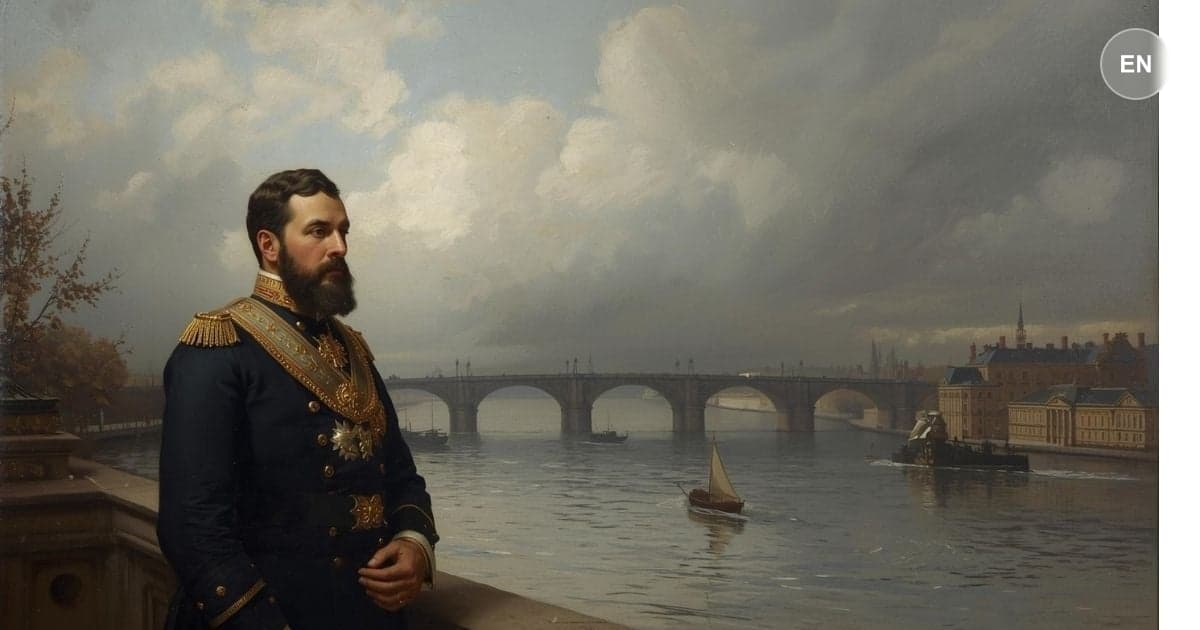
uring that year after his son’s departure, Prince Nicholas Bolkónski’s health and temper became much worse. He grew still more irritable, and it was Princess Mary who generally bore the brunt of his frequent fits of unprovoked anger. He seemed carefully to seek out her tender spots so as to torture her mentally as harshly as possible. Princess Mary had two passions and consequently two joys—her nephew, little Nicholas, and religion—and these were the favorite subjects of the prince’s attacks and ridicule. Whatever was spoken of he would bring round to the superstitiousness of old maids, or the petting and spoiling of children. “You want to make him”—little Nicholas—“into an old maid like yourself! A pity! Prince Andrew wants a son and not an old maid,” he would say. Or, turning to Mademoiselle Bourienne, he would ask her in Princess Mary’s presence how she liked our village priests and icons and would joke about them.

1 / 7

Master this chapter. Complete your experience

Purchase the complete book to access all chapters and support classic literature

Read Free on GutenbergBuy at Powell'sBuy on Amazon

As an Amazon Associate, we earn a small commission from qualifying purchases at no additional cost to you.

Available in paperback, hardcover, and e-book formats

GO ADS FREE — JOIN US

Why This Matters

Connect literature to life

Skill: Separating Behavior from Character

This chapter teaches how to recognize when someone's cruelty stems from their own pain rather than your failures.

Practice This Today

This week, notice when someone's harsh words seem disproportionate to the situation—ask what fear or loss might be driving their reaction.

GO ADS FREE — JOIN US

Now let's explore the literary elements.

Key Quotes & Analysis

"He seemed carefully to seek out her tender spots so as to torture her mentally as harshly as possible."

— Narrator

Context: Describing how the old prince deliberately targets what Princess Mary loves most

This reveals the calculated nature of emotional abuse - it's not random anger but strategic cruelty. The prince knows exactly how to cause maximum pain and chooses to do so.

In Today's Words:

He knew exactly what would hurt her most and went straight for those things every time.

"Could he be to blame toward her, or could her father, whom she knew loved her in spite of it all, be unjust?"

— Narrator (Mary's thoughts)

Context: Mary's internal struggle to make sense of her father's cruelty

Shows how victims of family abuse often can't acknowledge the reality of their situation. Mary's love and duty prevent her from seeing her father's behavior clearly.

In Today's Words:

How could Dad be wrong? He loves me, so this must be my fault somehow.

"All the complex laws of man centered for her in one clear and simple law—the law of love and self-sacrifice taught us by Him who lovingly suffered for mankind."

— Narrator (Mary's philosophy)

Context: Explaining how Mary processes her father's abuse through her religious faith

Mary uses her faith to transform victimization into virtue. While this helps her endure, it also prevents her from protecting herself or demanding better treatment.

In Today's Words:

She figured if Jesus could suffer for everyone, she could suffer for her family - it was just what love looked like.

"What had she to do with justice? The princess never thought of that proud word 'justice.'"

— Narrator

Context: Contrasting Mary's self-sacrifice with concepts of fairness or rights

This reveals how Mary has been conditioned to never consider her own rights or fair treatment. Justice becomes 'proud' - something selfish rather than legitimate.

In Today's Words:

She never even thought about whether this was fair - asking for fairness seemed selfish to her.

Thematic Threads

Faith

In This Chapter

Mary's deep religious faith helps her find divine purpose even in tragedy and cruelty

Development

Evolved from earlier glimpses into a complete worldview that sustains her through family dysfunction

In Your Life:

You might draw strength from spiritual beliefs, personal values, or life philosophy when facing difficult times

Family Duty

In This Chapter

Mary continues caring for her increasingly cruel father despite his deliberate attacks on what she loves

Development

Deepened from general obligation into conscious choice to love despite being hurt

In Your Life:

You might struggle with how much to endure from difficult family members while maintaining your own wellbeing

Loss Processing

In This Chapter

Mary reframes her sister-in-law's death as potentially merciful rather than purely tragic

Development

New theme showing how different characters process grief and find meaning in loss

In Your Life:

You might find yourself searching for meaning or purpose in your own losses and disappointments

Social Expectations

In This Chapter

Mary dismisses gossip about Andrew's potential remarriage, understanding his deep loyalty to his deceased wife

Development

Continued exploration of how society pressures people into conventional choices regardless of personal truth

In Your Life:

You might face pressure to 'move on' or make choices others think are right for you

Personal Growth

In This Chapter

Mary demonstrates how suffering can lead to greater wisdom and compassion rather than bitterness

Development

Evolved from passive endurance to active choice in how to interpret and respond to difficulties

In Your Life:

You might notice how your own challenges have either hardened or strengthened your character

GO ADS FREE — JOIN US

You now have the context. Time to form your own thoughts.

Discussion Questions

  1. 1

    How does Princess Mary respond to her father's increasingly cruel behavior, and what does she understand about the source of his cruelty?

    analysis • surface
  2. 2

    Why does Mary interpret her sister-in-law Lise's death as potentially merciful rather than purely tragic?

    analysis • medium
  3. 3

    Think about difficult people in your life - bosses, family members, neighbors. How might Mary's approach of seeing their pain behind their cruelty change your interactions with them?

    application • medium
  4. 4

    When you face loss or hardship, do you tend to become bitter like the old prince or find meaning like Mary? What specific strategies could help you choose the path of growth over bitterness?

    application • deep
  5. 5

    What does this chapter reveal about how our interpretation of events - not the events themselves - determines whether we become stronger or more bitter?

    reflection • deep

Critical Thinking Exercise

10 minutes

Map Your Response Pattern

Think of a recent difficult situation - conflict at work, family tension, financial stress, or health concerns. Write down what happened, then analyze your response using Mary's framework. Did you interpret the situation in ways that made you bitter or helped you grow? What pain might be driving the other people involved? How could you reframe this situation to find meaning or growth rather than just surviving it?

Consider:

  • •Look for the difference between what happened and what story you told yourself about what happened
  • •Consider whether your interpretation increased your power to respond or made you feel more helpless
  • •Think about whether you're choosing to see yourself as victim or as someone gaining strength through challenge

Journaling Prompt

Write about a time when you initially felt bitter about a loss or setback, but later discovered it led to unexpected growth or clarity. What changed your perspective? How can you apply that wisdom to current challenges?

Coming Up Next...

Chapter 132: When Love Meets Duty's Wall

The political tensions Mary mentioned in her letter are about to explode into reality, as Napoleon's growing power threatens to reshape all of Europe—and the Bolkonski family's quiet world at Bald Hills.

Continue to Chapter 132
Previous
Love's Quiet Revolution
Contents
Next
When Love Meets Duty's Wall

Continue Exploring

War and Peace Study GuideTeaching ResourcesEssential Life IndexBrowse by ThemeAll Books
Power & CorruptionLove & RelationshipsIdentity & Self-Discovery

You Might Also Like

Anna Karenina cover

Anna Karenina

Leo Tolstoy

Also by Leo Tolstoy

The Idiot cover

The Idiot

Fyodor Dostoevsky

Explores love & romance

Moby-Dick cover

Moby-Dick

Herman Melville

Explores mortality & legacy

Dracula cover

Dracula

Bram Stoker

Explores love & romance

Browse all 47+ books

Share This Chapter

Know someone who'd enjoy this? Spread the wisdom!

TwitterFacebookLinkedInEmail

Read ad-free with Prestige

Get rid of ads, unlock study guides and downloads, and support free access for everyone.

Subscribe to PrestigeCreate free account
Intelligence Amplifier
Intelligence Amplifier™Powering Wide Reads

Exploring human-AI collaboration through books, essays, and philosophical dialogues. Classic literature transformed into navigational maps for modern life.

2025 Books

→ The Amplified Human Spirit→ The Alarming Rise of Stupidity Amplified→ San Francisco: The AI Capital of the World
Visit intelligenceamplifier.org
hello@widereads.com

WideReads Originals

→ You Are Not Lost→ The Last Chapter First→ The Lit of Love→ Wealth and Poverty→ 10 Paradoxes in the Classics · coming soon
Arvintech
arvintechAmplify your Mind
Visit at arvintech.com

Navigate

  • Home
  • Library
  • Essential Life Index
  • How It Works
  • Subscribe
  • Account
  • About
  • Contact
  • Authors
  • Suggest a Book
  • Landings

Made For You

  • Students
  • Educators
  • Families
  • Readers
  • Literary Analysis
  • Finding Purpose
  • Letting Go
  • Recovering from a Breakup
  • Corruption
  • Gaslighting in the Classics

Newsletter

Weekly insights from the classics. Amplify Your Mind.

Legal

  • Privacy Policy
  • Terms of Service
  • Cookie Policy
  • Accessibility

Why Public Domain?

We focus on public domain classics because these timeless works belong to everyone. No paywalls, no restrictions—just wisdom that has stood the test of centuries, freely accessible to all readers.

Public domain books have shaped humanity's understanding of love, justice, ambition, and the human condition. By amplifying these works, we help preserve and share literature that truly belongs to the world.

A Pilgrimage

Powell's City of Books

Portland, Oregon

If you ever find yourself in Portland, walk to the corner of Burnside and 10th. The building takes up an entire city block. Inside is over a million books, new and used on the same shelf, organized by color-coded rooms with names like the Rose Room and the Pearl Room. You can lose an afternoon. You can lose a weekend. You will find a book you have been looking for your whole life, and three you did not know existed.

It is a pilgrimage. We cannot find a bookstore like it anywhere on earth. If you read the classics, and you ever get the chance, go. It belongs on every reader's bucket list.

Visit powells.com

We are not in any way affiliated with Powell's. We are just a very big fan.

© 2026 Wide Reads™. All Rights Reserved.

Intelligence Amplifier™ and Wide Reads™ are proprietary trademarks of Arvin Lioanag.

Copyright Protection: All original content, analyses, discussion questions, pedagogical frameworks, and methodology are protected by U.S. and international copyright law. Unauthorized reproduction, distribution, web scraping, or use for AI training is strictly prohibited. See our Copyright Notice for details.

Disclaimer: The information provided on this website is for general informational and educational purposes only and does not constitute professional, legal, financial, or technical advice. While we strive to ensure accuracy and relevance, we make no warranties regarding completeness, reliability, or suitability. Any reliance on such information is at your own risk. We are not liable for any losses or damages arising from use of this site. By using this site, you agree to these terms.