Chapter 129
The Price of Love's Approval
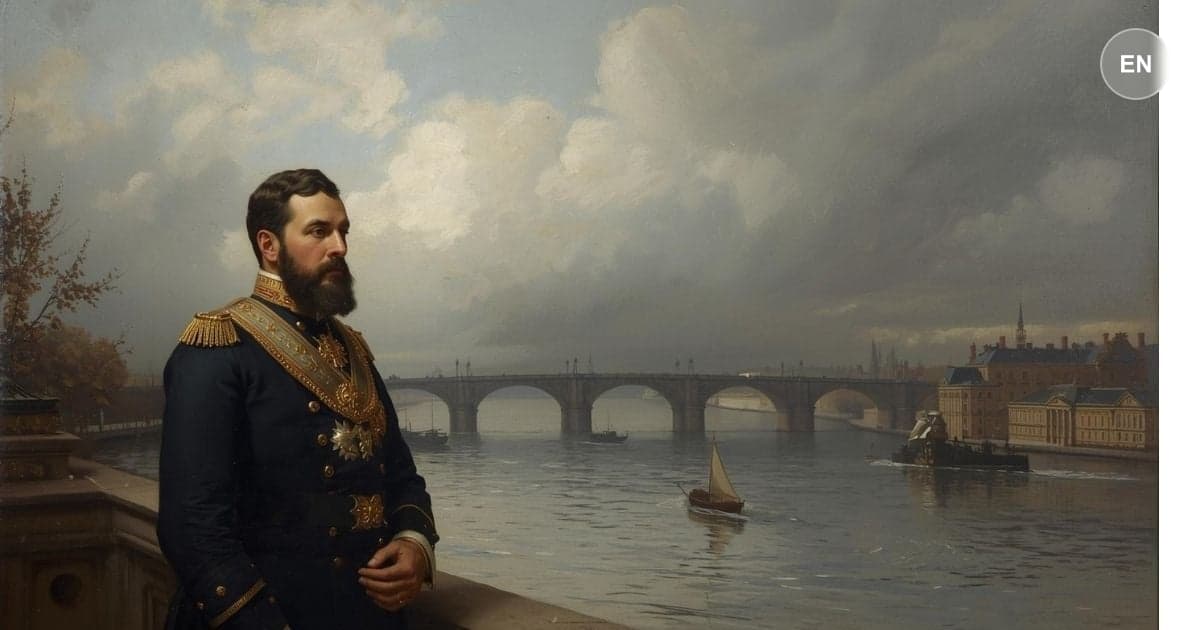
Prince Andrew needed his father’s consent to his marriage, and to obtain this he started for the country next day. His father received his son’s communication with external composure, but inward wrath. He could not comprehend how anyone could wish to alter his life or introduce anything new into it, when his own life was already ending. “If only they would let me end my days as I want to,” thought the old man, “then they might do as they please.” With his son, however, he employed the diplomacy he reserved for important occasions and, adopting a quiet tone, discussed…
Public-domain chapter text, formatted for reading.
Master this chapter. Complete your experience
Purchase the complete book to access all chapters and support classic literature

Available in paperback, hardcover, and e-book formats
Now let's explore the literary elements.
Key Quotes & Analysis
"I beg you to put it off for a year: go abroad, take a cure, look out as you wanted to for a German tutor for Prince Nicholas."
Context: Conditions he attaches to consent
Delay disguised as care bets passion will cool.
In Today's Words:
The old prince begs Andrew to postpone the wedding a year, go abroad, take a cure, and find a German tutor for little Nicholas before marrying. Strategic waiting often masks hope that time will kill inconvenient love. When approval arrives with a long pause, ask who the delay is designed to protect.
"He just came and then left off, left off...."
Context: Breaking down before her mother after three weeks of silence
Absence without explanation feels like abandonment.
In Today's Words:
Natásha tells her mother he just came and then left off, left off, unable to think about marriage while afraid of him again. Silence after intimacy reads as rejection even when duty caused the gap. If you must vanish for family business, send one clear word so imagination does not write the story.
"I have come, Countess, to ask for your daughter’s hand,"
Context: Formal request after weeks away
Public ritual begins while private feeling already shifted.
In Today's Words:
Andrew tells the countess he has come to ask for her daughter's hand after weeks at his father's estate. Formal requests can arrive after hearts have already decided and bodies have already suffered the wait. Match the ceremony to the information people need, not only to tradition's timing.
"I shall die, waiting a year: it’s impossible, it’s awful!"
Context: Learning the wedding must wait a year
Youth meets duty's calendar with physical grief.
In Today's Words:
Natásha cries she shall die waiting a year, that it is impossible and awful when Andrew explains the delay. A year's pause can feel like exile when you are seventeen and finally chosen. Before you impose waiting as a test, name what you are asking the younger heart to endure.
Thematic Threads
Strategic Delay
In This Chapter
The old prince demands a year abroad before marriage
Development
Andrew conforms; Natásha suffers unexplained silence first
In Your Life:
You might receive yes with a calendar designed to outlast your certainty.
Shifted Feeling
In This Chapter
Andrew's desire turns to pity and duty at the proposal
Development
Natásha's joy collides with adult responsibility and waiting
In Your Life:
You might discover relief and dread in the same yes.
You now have the context. Time to form your own thoughts.
Discussion Questions
This is not a test. Five prompts guide you through the chapter, from how it opens to how it closes, so you notice context and rhythm rather than facts to memorize. Sit with each question in your own words. When you see "One way to read it," treat it as a starting point, not the only answer.
- 1
What conditions does the old prince place on Andrew's marriage?
analysis • surfaceOne way to read it
He cites rank, health, Nicholas's care, and orders a year's delay abroad before wedding.
- 2
How does Natásha suffer during Andrew's three-week absence?
analysis • mediumOne way to read it
She wanders listless, weeps at night, feels mocked, then briefly tries her old cheerful routine.
- 3
When has silence after closeness felt like rejection to you?
application • mediumOne way to read it
Name what you assumed versus what duty caused. Andrew maps Natásha's left off, left off.
- 4
Why does Andrew's feeling at the proposal differ from his earlier passion?
application • deepOne way to read it
Pity and duty replace poetic desire though commitment remains serious.
- 5
Why does Natásha call a one-year wait awful?
reflection • deepOne way to read it
Youth and immediacy collide with a bond that now carries adult responsibility and delay.
Critical Thinking Exercise
Identify the Waiting Game
Think of a current situation where someone is making you wait for something important - a job decision, medical appointment, relationship milestone, or major purchase. Map out who benefits from the delay and who suffers. Then identify whether this waiting serves a legitimate purpose or if someone is hoping your enthusiasm will fade.
Consider:
- •Who has the power to end the waiting period and what do they gain by extending it?
- •How has the waiting already changed your feelings about what you originally wanted?
- •What would happen if you set your own deadline and walked away if it isn't met?
Journaling Prompt
Write about a time when forced waiting changed your mind about something you once desperately wanted. Was the outcome better or worse than if you had gotten what you wanted immediately?
Coming Up Next...
Chapter 130: Love's Quiet Revolution
As the newly engaged couple begins their year-long wait, the strain of uncertainty and family expectations will test whether their love can survive the very approval they sought. The engagement brings new challenges neither anticipated.