Wide Reads
Literature MattersLife IndexEducators
Sign in
Where to Begin
War and Peace - Bureaucratic Power Games

Leo Tolstoy

War and Peace

Bureaucratic Power Games

Home›Books›War and Peace›Chapter 110
Previous
110 of 361
Next

Summary

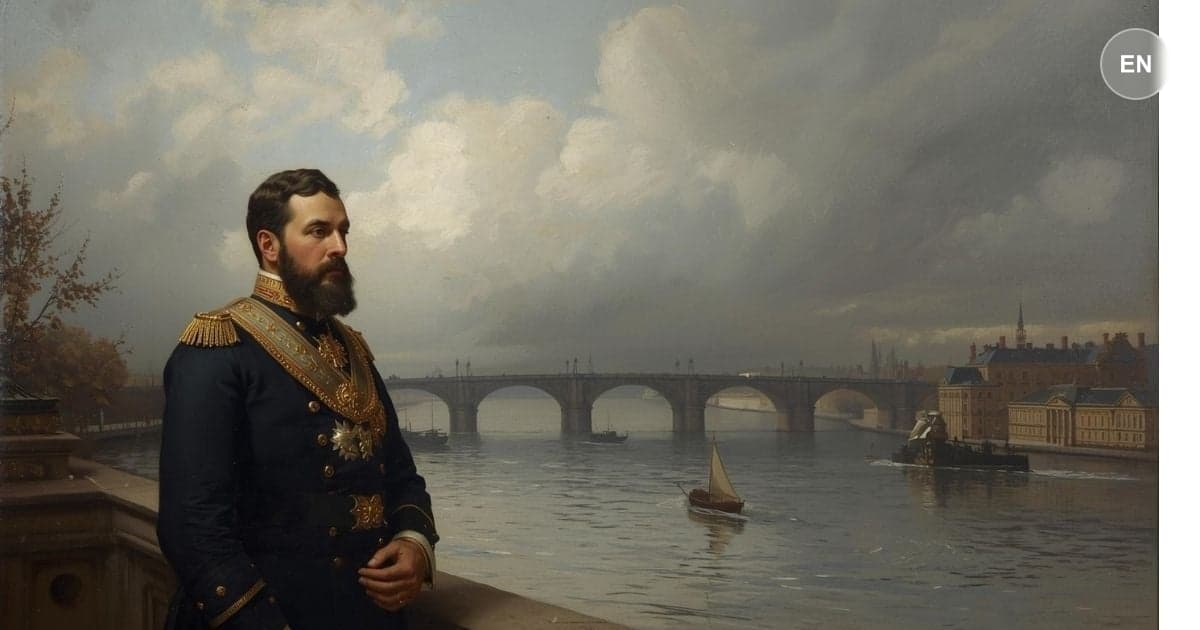
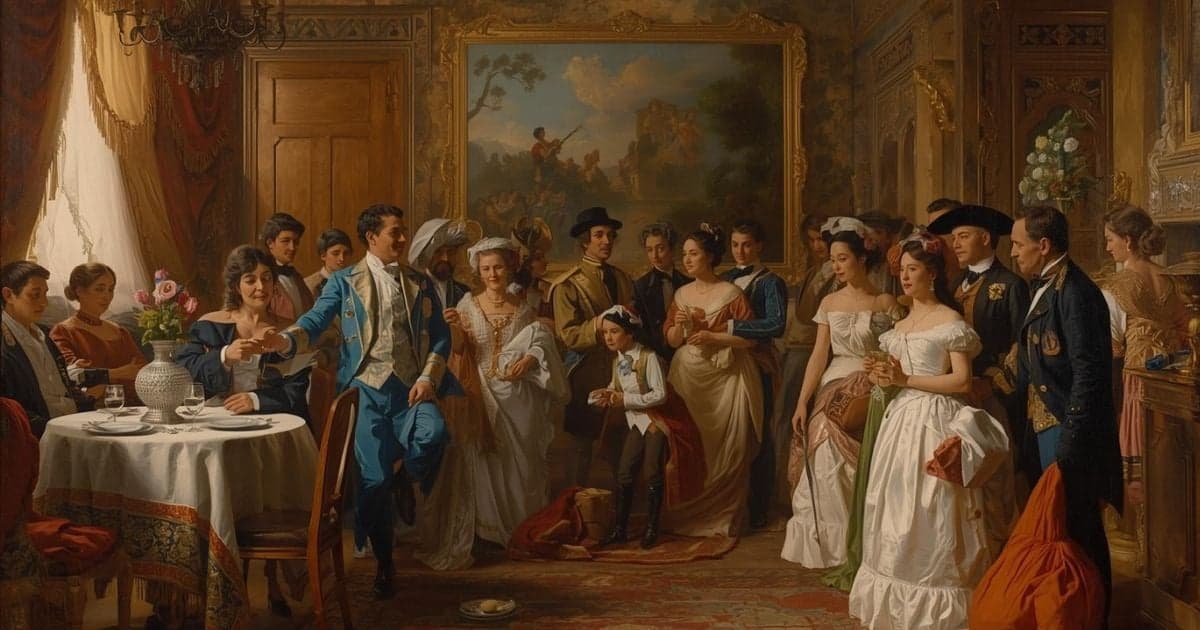
Prince Andrew returns to Petersburg with high hopes of implementing military reforms, but quickly discovers that good ideas mean nothing without the right connections. The Emperor, who once seemed approachable, now gives him the cold shoulder—a reminder that personal chemistry often trumps professional competence in positions of power. When Andrew tries to go through proper channels, presenting his military reform proposal to Count Arakchéev, the Minister of War, he encounters a perfect example of bureaucratic tyranny. Arakchéev's waiting room is a masterclass in power dynamics: important people reduced to nervous supplicants, everyone afraid of the man behind the door. The minister himself proves to be exactly what Andrew feared—a petty tyrant who dismisses months of careful work with a scrawled, barely literate rejection note. Arakchéev's criticism that Andrew's proposal 'resembles an imitation of the French military code' reveals how nationalism and personal prejudice can override practical considerations. The scene captures a universal frustration: having your best efforts casually destroyed by someone who may not even understand them. Andrew's polite professionalism in the face of such dismissive treatment shows his character, while Arakchéev's offer of an unpaid committee position adds insult to injury. This chapter exposes how institutional inertia and personal power can strangle progress, a dynamic that remains painfully relevant in modern workplaces and government.

Coming Up in Chapter 111

Andrew's encounter with the brutal machinery of government bureaucracy has left him disillusioned, but his story in Petersburg is far from over. New opportunities and unexpected encounters await.

Share it with friends

Previous ChapterNext Chapter
GO ADS FREE — JOIN US
Original text
complete·1,095 words
P

rince Andrew arrived in Petersburg in August, 1809. It was the time when the youthful Speránski was at the zenith of his fame and his reforms were being pushed forward with the greatest energy. That same August the Emperor was thrown from his calèche, injured his leg, and remained three weeks at Peterhof, receiving Speránski every day and no one else. At that time the two famous decrees were being prepared that so agitated society—abolishing court ranks and introducing examinations to qualify for the grades of Collegiate Assessor and State Councilor—and not merely these but a whole state constitution, intended to change the existing order of government in Russia: legal, administrative, and financial, from the Council of State down to the district tribunals. Now those vague liberal dreams with which the Emperor Alexander had ascended the throne, and which he had tried to put into effect with the aid of his associates, Czartorýski, Novosíltsev, Kochubéy, and Strógonov—whom he himself in jest had called his Comité de salut public—were taking shape and being realized.

1 / 7

Master this chapter. Complete your experience

Purchase the complete book to access all chapters and support classic literature

Read Free on GutenbergBuy at Powell'sBuy on Amazon

As an Amazon Associate, we earn a small commission from qualifying purchases at no additional cost to you.

Available in paperback, hardcover, and e-book formats

GO ADS FREE — JOIN US

Why This Matters

Connect literature to life

Skill: Reading Power Dynamics

This chapter teaches how to identify when someone's resistance to your ideas stems from protecting their position rather than legitimate concerns about your proposal.

Practice This Today

This week, notice when someone dismisses your suggestion—ask yourself if implementing it would make them less important or threaten their control.

GO ADS FREE — JOIN US

Now let's explore the literary elements.

Key Quotes & Analysis

"It had always seemed to Prince Andrew before that he was antipathetic to the Emperor and that the latter disliked his face and his whole personality."

— Narrator

Context: Andrew realizes the Emperor is deliberately ignoring him at court

This captures the painful awareness that sometimes people just don't like you, regardless of your qualifications or efforts. Andrew's self-awareness about this dynamic shows his maturity, but also his helplessness against personal chemistry in professional settings.

In Today's Words:

The boss just doesn't like me, and there's nothing I can do about it.

"Written by someone who doesn't know his business and should be turned out of the army!"

— Count Arakchéev

Context: His dismissive response to Andrew's military reform proposal

This brutal rejection reveals how threatened mediocre leaders feel when confronted with genuine competence. Arakchéev's attack is personal rather than substantive, showing he can't engage with the actual ideas.

In Today's Words:

This person is making me look bad, so I need to destroy them before anyone notices.

"Your excellency, I was only following the order you gave me, to let you know of all business."

— Arakchéev's aide

Context: Nervously explaining why he brought Andrew's proposal to the minister's attention

Shows how toxic leadership creates an atmosphere of fear where even doing your job correctly becomes risky. The aide is terrified of being blamed for simply following instructions.

In Today's Words:

I was just doing what you told me to do - please don't yell at me.

Thematic Threads

Class

In This Chapter

Andrew's aristocratic status means nothing when facing institutional power—Arakchéev's bureaucratic position trumps noble birth

Development

Evolution from earlier themes of inherited privilege to showing how institutional power creates new hierarchies

In Your Life:

Your credentials or background won't protect you from bad bosses or broken systems

Merit vs. Politics

In This Chapter

Andrew's carefully researched military reforms are dismissed not on their merits but due to political prejudice and nationalism

Development

Introduced here as a new lens for understanding how good ideas fail in institutional settings

In Your Life:

Your best work can be rejected for reasons that have nothing to do with quality

Power Dynamics

In This Chapter

Arakchéev's waiting room becomes a theater of humiliation where accomplished people are reduced to nervous supplicants

Development

Builds on earlier explorations of social power by showing how institutional authority operates differently than social status

In Your Life:

Powerful people often use waiting and dismissal as tools to reinforce their dominance over you

Institutional Inertia

In This Chapter

The military bureaucracy resists reform not because change is bad, but because change threatens existing power structures

Development

Introduced here as explanation for why progress is so difficult in established systems

In Your Life:

Organizations often resist your good ideas because change threatens someone's position or comfort

Personal Dignity

In This Chapter

Andrew maintains professional composure despite being treated dismissively, showing how to preserve self-respect in degrading situations

Development

Continues Andrew's character growth in learning to navigate disappointment without losing integrity

In Your Life:

How you respond to unfair treatment reveals and shapes your character more than the treatment itself

You now have the context. Time to form your own thoughts.

Discussion Questions

  1. 1

    What specific obstacles does Prince Andrew encounter when trying to implement his military reforms, and how does each person in power respond to his ideas?

    analysis • surface
  2. 2

    Why does Count Arakchéev dismiss Andrew's proposal so casually, and what does his rejection note reveal about how he makes decisions?

    analysis • medium
  3. 3

    Where have you seen similar patterns of bureaucratic immunity in your workplace, school, or community—situations where someone in power can make poor decisions without facing consequences?

    application • medium
  4. 4

    If you were in Andrew's position, how would you modify your approach to get your ideas heard by someone like Arakchéev?

    application • deep
  5. 5

    What does this chapter reveal about the relationship between institutional power and personal accountability, and why do these dynamics persist across different time periods and cultures?

    reflection • deep

Critical Thinking Exercise

10 minutes

Map the Power Dynamic

Think of a situation where you need approval or support from someone in authority—a boss, administrator, committee, or official. Map out their incentives, fears, and ego triggers the way Andrew should have done with Arakchéev. What motivates them beyond the official job description? What threatens their position or reputation?

Consider:

  • •Consider what success looks like from their perspective, not yours
  • •Identify who they answer to and what pressures they face from above
  • •Think about their personal biases and past experiences that might influence their decisions

Journaling Prompt

Write about a time when you had a great idea that got shot down by someone in authority. Looking back, what did you misunderstand about their position or priorities? How might you approach it differently now?

Coming Up Next...

Chapter 111: The Power Player's Game

Andrew's encounter with the brutal machinery of government bureaucracy has left him disillusioned, but his story in Petersburg is far from over. New opportunities and unexpected encounters await.

Continue to Chapter 111
Previous
The Oak Tree's Second Chance
Contents
Next
The Power Player's Game

Continue Exploring

War and Peace Study GuideTeaching ResourcesEssential Life IndexBrowse by ThemeAll Books
Power & CorruptionLove & RelationshipsIdentity & Self-Discovery

You Might Also Like

Anna Karenina cover

Anna Karenina

Leo Tolstoy

Also by Leo Tolstoy

The Idiot cover

The Idiot

Fyodor Dostoevsky

Explores love & romance

Moby-Dick cover

Moby-Dick

Herman Melville

Explores mortality & legacy

Dracula cover

Dracula

Bram Stoker

Explores love & romance

Browse all 47+ books

Share This Chapter

Know someone who'd enjoy this? Spread the wisdom!

TwitterFacebookLinkedInEmail

Read ad-free with Prestige

Get rid of ads, unlock study guides and downloads, and support free access for everyone.

Subscribe to PrestigeCreate free account
Intelligence Amplifier
Intelligence Amplifier™Powering Wide Reads

Exploring human-AI collaboration through books, essays, and philosophical dialogues. Classic literature transformed into navigational maps for modern life.

2025 Books

→ The Amplified Human Spirit→ The Alarming Rise of Stupidity Amplified→ San Francisco: The AI Capital of the World
Visit intelligenceamplifier.org
hello@widereads.com

WideReads Originals

→ You Are Not Lost→ The Last Chapter First→ The Lit of Love→ Wealth and Poverty→ 10 Paradoxes in the Classics · coming soon
Arvintech
arvintechAmplify your Mind
Visit at arvintech.com

Navigate

  • Home
  • Library
  • Essential Life Index
  • How It Works
  • Subscribe
  • Account
  • About
  • Contact
  • Authors
  • Suggest a Book
  • Landings

Made For You

  • Students
  • Educators
  • Families
  • Readers
  • Literary Analysis
  • Finding Purpose
  • Letting Go
  • Recovering from a Breakup
  • Corruption
  • Gaslighting in the Classics

Newsletter

Weekly insights from the classics. Amplify Your Mind.

Legal

  • Privacy Policy
  • Terms of Service
  • Cookie Policy
  • Accessibility

Why Public Domain?

We focus on public domain classics because these timeless works belong to everyone. No paywalls, no restrictions—just wisdom that has stood the test of centuries, freely accessible to all readers.

Public domain books have shaped humanity's understanding of love, justice, ambition, and the human condition. By amplifying these works, we help preserve and share literature that truly belongs to the world.

A Pilgrimage

Powell's City of Books

Portland, Oregon

If you ever find yourself in Portland, walk to the corner of Burnside and 10th. The building takes up an entire city block. Inside is over a million books, new and used on the same shelf, organized by color-coded rooms with names like the Rose Room and the Pearl Room. You can lose an afternoon. You can lose a weekend. You will find a book you have been looking for your whole life, and three you did not know existed.

It is a pilgrimage. We cannot find a bookstore like it anywhere on earth. If you read the classics, and you ever get the chance, go. It belongs on every reader's bucket list.

Visit powells.com

We are not in any way affiliated with Powell's. We are just a very big fan.

© 2026 Wide Reads™. All Rights Reserved.

Intelligence Amplifier™ and Wide Reads™ are proprietary trademarks of Arvin Lioanag.

Copyright Protection: All original content, analyses, discussion questions, pedagogical frameworks, and methodology are protected by U.S. and international copyright law. Unauthorized reproduction, distribution, web scraping, or use for AI training is strictly prohibited. See our Copyright Notice for details.

Disclaimer: The information provided on this website is for general informational and educational purposes only and does not constitute professional, legal, financial, or technical advice. While we strive to ensure accuracy and relevance, we make no warranties regarding completeness, reliability, or suitability. Any reliance on such information is at your own risk. We are not liable for any losses or damages arising from use of this site. By using this site, you agree to these terms.