
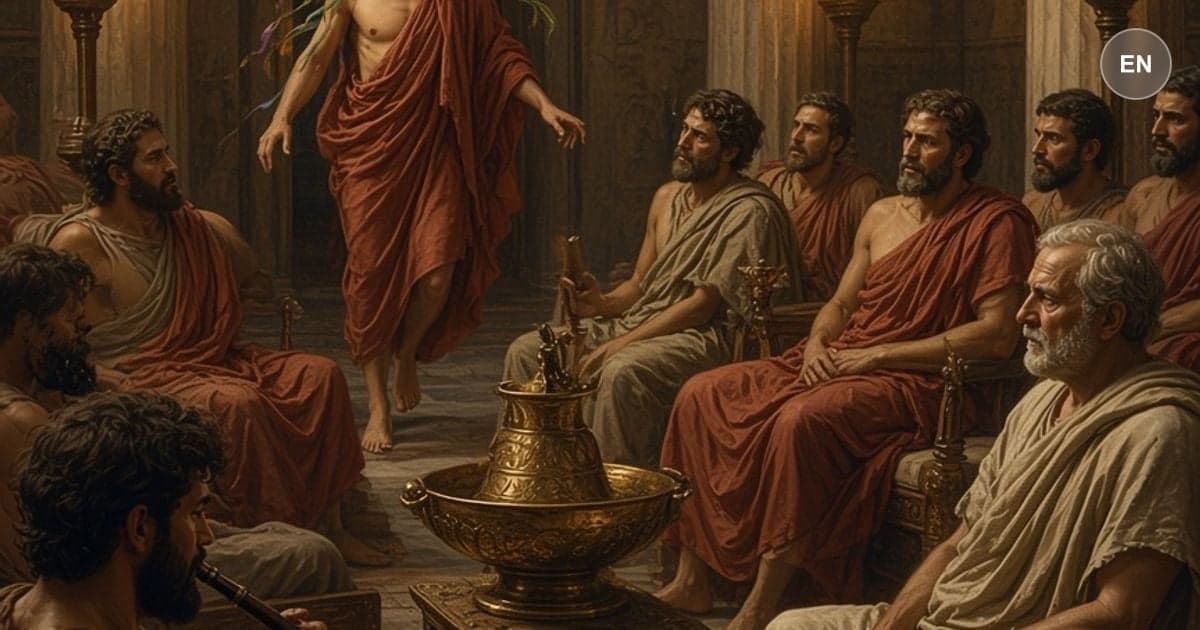
The Symposium opens after the supper is already a story. Apollodorus did not attend. Glaucon's version, through Phoenix, was indistinct. Aristodemus was the witness, and he did not recollect everything. Apollodorus says he will tell what seemed worth remembering, and what the chief speakers said. The frame is the first argument.
That habit continues inside the night. Diotima never sits at Agathon's table. Socrates repeats her, and he takes both parts. At dawn the witness is awake only for a last claim the two poets are too drowsy to follow. A person who quotes the missing half and stops has done what Apollodorus warned the report would do: keep the memorable part and drop the rest.
Before you repeat a famous account, name who was in the room, who was asleep, and who is absent from the table but still being quoted. A story at second hand can be true in the parts it keeps and still mislead, because the cut is the point.
The Central Lesson
Apollodorus repeats a supper he did not attend, from a witness who slept, and he admits he will keep only what seemed worth remembering. Diotima is not in the room. The dawn argument lands on men who are not quite following. Plato makes the frame do the work: a confident story is still a cut. Name the carrier, the absence, and the sentence the room was too tired to keep.
Applying This to Your Life
Name the Carrier
Glaucon thought the supper was recent and that Apollodorus had been there. Both were wrong. Ask who told the teller, and how many nights the account has already travelled.
Ask What Was Dropped
Aristodemus forgot intervening speeches. Apollodorus keeps the chief ones. A tidy retelling is a choice. Find out what the tidy version left out before you treat it as the night.
Stay Past the Famous Line
The missing half is the line people remember. The dawn claim arrives when the poets are drowsy. If a summary ends on the proverb, you have not yet heard the book.
Other lessons in this book
More life-skill deep dives from the same classic.
Climbing Past Possession
The Vast Sea of Beauty
Follow birth in beauty and the ladder, then Alcibiades, who wanted Socrates and did not get him.
3 chapters·Explore AnalysisLove That Asks for Courage
Bare Feet on the Ice
Sit with Phaedrus on Alcestis, Orpheus, and Achilles, then with Alcibiades on the ice at Potidaea.
2 chapters·Explore AnalysisThe Missing Half
Like a Flat Fish
Stay with Aristophanes' cut, then with the speeches that will not let that myth be the last word.
3 chapters·Explore AnalysisTwo Kinds of Desire
Two Goddesses, Two Loves
Hear Pausanias refuse a single Love, then watch Eryximachus carry the split into the body and the seasons.
2 chapters·Explore AnalysisWanting What You Lack
Socrates Is Easily Refuted
Watch Agathon's praise fail one question, then hear Diotima refuse to call Love a god.
3 chapters·Explore Analysis
Continue exploring
Explore this theme
The same lessons in other books
See how other books teach the same life skills.
The Idiot
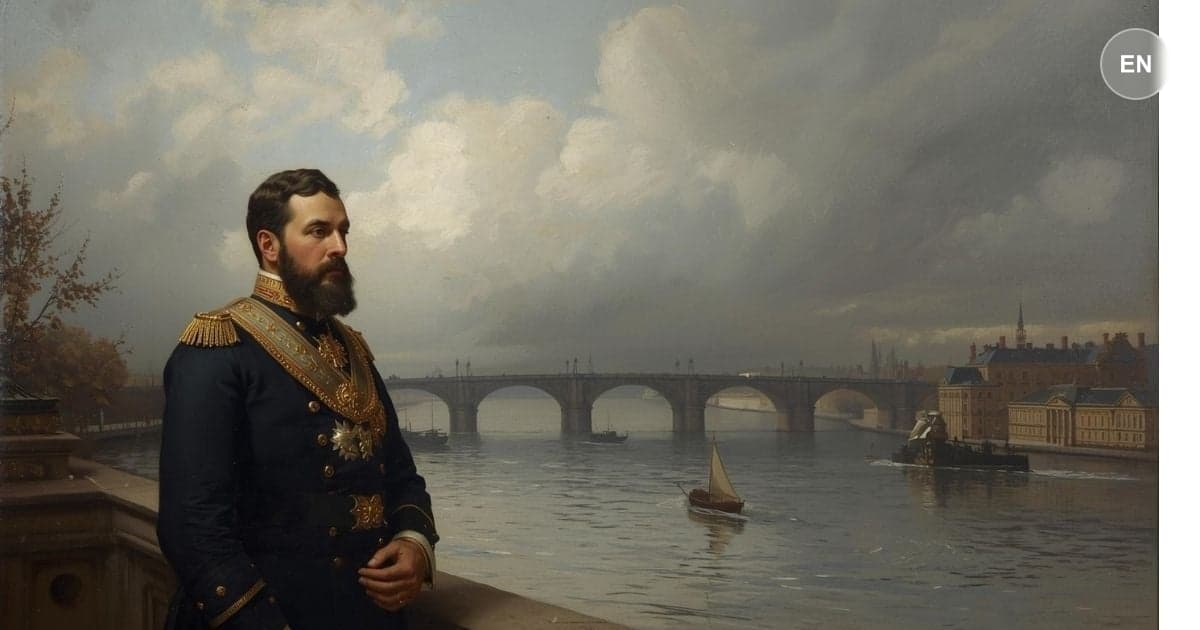
Maintaining Goodness Without NaivetySit with Myshkin on the train in chapter 1: honesty with no angle, and a city that can only call it idiocy.
Northanger Abbey
Separating Fiction from RealityStop letting Gothic plots supply the story: laundry bills become clues, an old abbey becomes a crime scene, and real cruelty arrives without a villain's mask.
The Blue Castle
Building a Life of Your OwnLeave Elm Street for Mistawis, lock a house that is yours, and keep the Blue Castle after the excuse to live is withdrawn.
Where the lesson lives in the book
The Second-Hand Supper
A companion asks Apollodorus for the speeches at Agathon's supper. Glaucon already asked two days earlier, on the road from Phalerum, and Phoenix's version was muddled. Apollodorus was not there. The witness is Aristodemus, who never wore shoes. Socrates confirmed parts of the account. Apollodorus then limits it: he will keep only what seemed worth remembering, and what the chief speakers said.
Key Insight:
A confident retelling is not the same as a seat in the room. Name the carrier, the missing witness, and what the report already decided to drop.
“I will tell you what I thought most worthy of remembrance, and what the chief speakers said.”
Diotima Says Love Is Not a God
Diotima of Mantineia is not at the table. Socrates rehearses a lesson he heard from her, and he takes both parts. The night's most famous teaching arrives as a report inside a report. Even the spirit in the gap is second-hand before it reaches the companion on the road.
Key Insight:
A quoted teacher can still be the sharpest voice in the room. Ask who is absent, and whether the person repeating her has a reason to shape the ending.
“the love of the everlasting possession of the good”
Comedy and Tragedy at Dawn
Aristodemus wakes to a last argument, not to the speeches everyone came to hear. Aristophanes and Agathon assent while drowsy. Socrates lays them to sleep, bathes at the Lyceum, and spends the day as usual. The carrier of the night follows him, then the report stops.
Key Insight:
The last claim of a long night often lands on people who are already half asleep. If you only keep the famous middle speech, you have kept the part the room was awake for, not the part it ended on.
“In the evening he retired to rest at his own home.”