
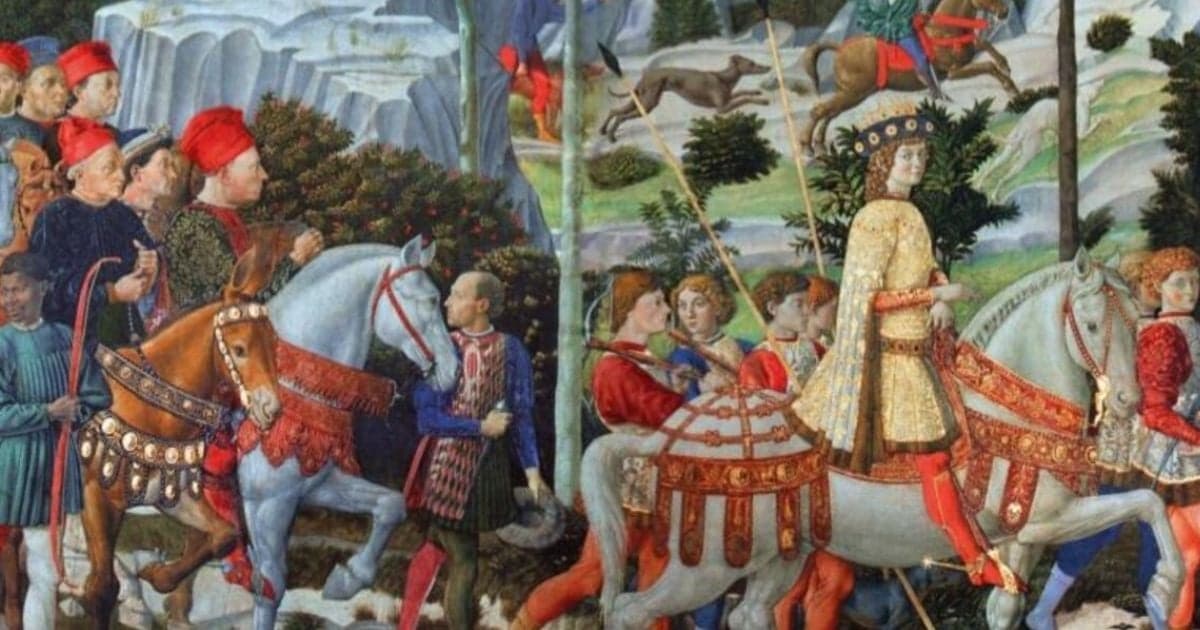
Machiavelli opens with a taxonomy, not a sermon. Republic or principality. Hereditary or new. Your arms or someone else's. Fortune or ability. Accustomed to a prince or accustomed to living free. The book is famous for cruelty and masks. It actually begins as a diagnostic: until you can say how the seat was taken, you will prescribe the wrong maintenance, hire the wrong army, and court the wrong faction.
The later chapters only thicken that first cut. A kingdom of one man and his servants is a different animal from a kingdom of barons. A free city keeps the watchword of liberty longer than any new flag. Nobles who install you think they remain your equals. Mercenaries look like strength until the attack is no longer deferred. None of this is metaphysics. It is a way of reading a room by its joints instead of its titles.
If you have ever walked into a job, a family, or a coalition and treated the org chart as the truth, you already know this failure. The skill is to name the origin before you name the strategy. Who can exist without the person in the chair. Who still remembers a prior liberty. Whose force would vanish if the invoice stopped. Keep the seat only after you can answer those. Everything else is decoration on an unmapped foundation.
The Central Lesson
Power is a structure before it is a personality. Machiavelli's first skill is to name the taking: hereditary or new, concentrated or farmed out, used to obedience or used to liberty, held by your arms or by someone else's. A free city's memory, a baron's independent root, a mercenary's invoice: each is a joint that will not appear on the banner. If you skip the taxonomy, every later tactic is aimed at the wrong object. Read the origin. Then decide how the seat is lost.
Applying This to Your Life
Name How the Role Was Won
Before you defend a position, write the origin in one sentence: inherited, appointed, seized, rented from a patron. The maintenance plan follows the taking. If you cannot say how you got it, you will keep it with the wrong tools.
Find Who Can Exist Without the Chair
Servants fall with the center. Barons keep their own roots. In a company, ask who would still have a following if the CEO left tomorrow. Those people are the real map. Titles are the legend printed after the fact.
Count Only the Force You Own
Vendors, agencies, and borrowed teams look like capacity until the invoice or the alliance shifts. Ask who would still show up if you could not pay them this quarter. That remainder is your actual power. The rest is a costume.
Other lessons in this book
More life-skill deep dives from the same classic.
Timing: When to Act and When to Wait
Walk chapter 25's river: dikes in the calm years, boldness when the water turns.
6 chapters·Explore AnalysisDistinguishing Performance from Reality
Watch chapter 18 name five virtues a prince must seem to have, then the hour necessity drops the mask.
6 chapters·Explore AnalysisUnderstanding Strategic vs. Moral Thinking
Sit with chapter 15: a man who lives as he ought, among people who do not, ruins himself.
6 chapters·Explore AnalysisRecognizing Manipulation Tactics
Stay in the piazza at Cesena: a block, a bloody knife, and a minister blamed so the duke can be loved.
6 chapters·Explore AnalysisBuilding Power vs. Maintaining Power
See Sforza keep Milan by ability, then Borgia fall when Alexander dies and Julius takes the chair.
6 chapters·Explore Analysis
Continue exploring
Explore this theme
The same lessons in other books
See how other books teach the same life skills.
The Aeneid
Carrying Grief While You LeadTell Troy while it still hurts, watch Dido's smoke, walk the underworld, and bury Pallas without putting the command down.
The Analects
Cultivating the JunziStart in Book I's family obligations, then Books IX, XIV, and XVI, and treat exemplary character as compound interest, not a costume.
Richard III
Recognizing Sociopathic CharmWatch the funeral ring and the prayer book between two bishops: charm that arrives too fast and never has a self underneath.
Where the lesson lives in the book
The First Cut Is the Origin
Every state is a republic or a principality. Every principality is hereditary or new. The new are either wholly new, like Milan to Sforza, or members bolted onto an old house, like Naples to Spain. They are taken by your own arms or someone else's, by fortune or by ability. Machiavelli will not discuss keeping until he has named the taking.
Key Insight:
A seat whose origin you have not named will surprise you when it slips. Title, tenure, and ceremony are not a map. Ask first how the thing was acquired. The rest of the book is only the cost of that answer.
“All states, all powers, that have held and hold rule over men have been and are either republics or principalities.”
One Man and His Servants, or a Nest of Barons
The Turk's kingdom is held by one prince and ministers who exist by his favor. France is held by a prince and barons with their own roots. Take the first and you take the center; take the second and every baron is a door. The same conquest is two different jobs depending on whether power is concentrated or farmed out.
Key Insight:
Do not read a room by the person with the biggest title. Read whether the others in it can exist without him. A kingdom of servants falls when the center falls. A kingdom of barons is easy to enter and almost impossible to keep.
“either by a prince, with a body of servants, who assist him to govern the kingdom as ministers by his favour and permission; or by a prince and barons, who hold that dignity by antiquity of blood and not by the grace of the prince.”
Cities That Remember Liberty
Three courses for a free city: ruin it, live there, or leave it its laws with a tribute and a friendly oligarchy. Time and benefits will not make it forget the watchword of liberty. Pisa still remembered after a hundred years under Florence. The Spartans put oligarchies in Athens and Thebes and lost both.
Key Insight:
A people used to freedom is not a vacant office. Occupation, tribute, and a local clique do not overwrite the old rallying cry. If you need the city intact, you are already negotiating with a memory you cannot buy off.
“And he who becomes master of a city accustomed to freedom and does not destroy it, may expect to be destroyed by it, for in rebellion it has always the watchword of liberty and its ancient privileges as a rallying point.”
Who Installed You
Sovereignty by nobles is harder to keep than sovereignty by the people. The nobles consider themselves equals and will not be managed. The people ask only not to be oppressed. Nobles who will not bind themselves to you in the good years will ruin you in the bad ones, as if they were already open enemies.
Key Insight:
Power is not a substance you hold. It is a base you can name. If the people put you in, you can disappoint the elite. If the elite put you in, you live among rivals who think the chair is still in committee. Misread the install and every later move is aimed at the wrong group.
“He who obtains sovereignty by the assistance of the nobles maintains himself with more difficulty than he who comes to it by the aid of the people.”
Whether You Can Stand the Siege
Machiavelli's test is not the banner. It is whether a prince can provision a town, hold it, and refuse to defend open country he cannot keep. Until you can stand a crisis without begging an ally to save the furniture, you have a costume, not a state.
Key Insight:
Ask what happens if the sponsor, the market, or the alliance goes quiet for one season. If the answer is collapse, you have not finished the taking. Real power is the capacity to endure a siege you did not schedule.
“one can say nothing except to encourage such princes to provision and fortify their towns, and not on any account to defend the country.”
Arms That Are Not Yours
Mercenaries are useless and dangerous: valiant before friends, cowardly before enemies, robbers in peace, a vacancy in war. If the captain is able, he aspires to your place. If he is not, you are ruined in the usual way. Charles took Italy with chalk because the hired companies had already taught the peninsula to avoid fatigue and danger.
Key Insight:
Force you do not own is a reading error. You think you have capacity. You have a vendor. Watch who would still fight if the invoice stopped. That is the only army that counts when the attack is no longer deferred.
“Mercenaries and auxiliaries are useless and dangerous; and if one holds his state based on these arms, he will stand neither firm nor safe.”