
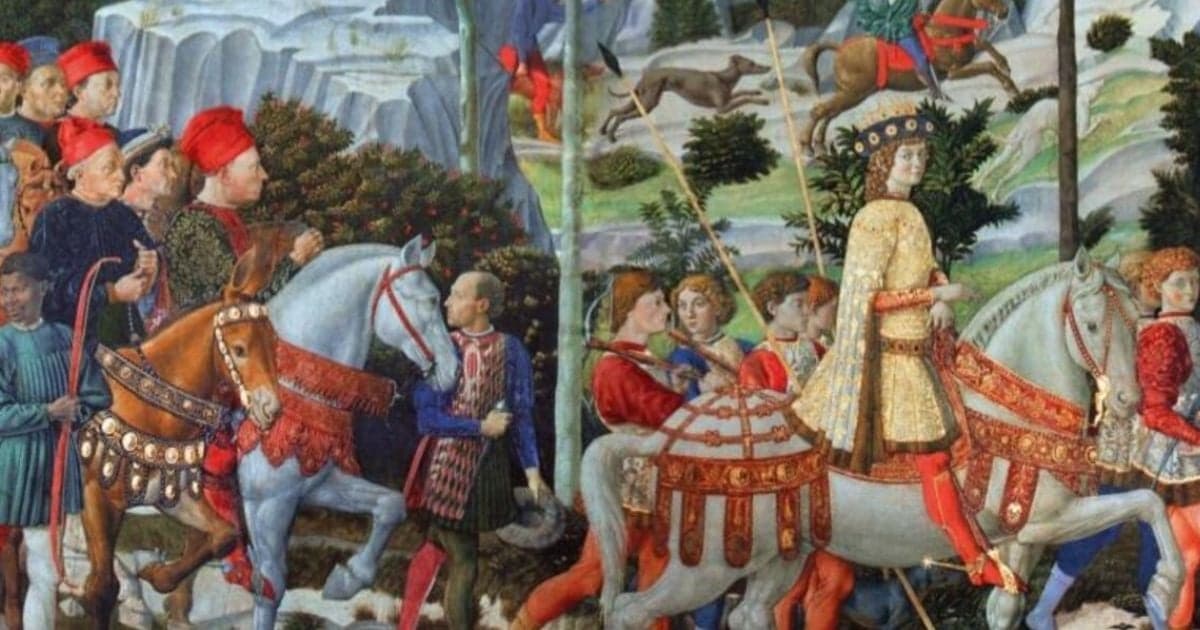
The image that will not leave the book is not a treatise on foxes. It is a body in a square. Borgia uses Ramiro to restore order by terror, then kills the instrument in public so the cruelty has a name that is not his. The people are satisfied and stupefied. They thank the duke for ending the very severity he authorized. That is manipulation as theater: an agent, a spectacle, a transferred blame.
The surrounding tactics are quieter and more common. A favor that makes another person powerful ruins the giver. Injuries come all at once so they offend less; benefits drip so the flavor lasts. Liberality is an invoice the many never see. Oaths are props for a man whose mind is already framed to change. A court of flatterers is the last closed room, where even the prince cannot get a true report. Borgia does almost all of it well and still dies of one error: elevating Julius, a great personage he had injured, as if new benefits erase old wounds.
If you have ever watched a manager fire the enforcer, a donor create a rival, or a room fill with people who only agree, you already have the pattern. The skill is to ask who needed the spectacle, who still holds the exit, and whether the kindness has a repayment schedule. Manipulation is not a personality type. It is a sequence. Read the sequence before you thank anyone for putting the knife down.
The Central Lesson
The finished tactic is a cruelty the public can thank you for stopping. Borgia's knife in the piazza is the type: an agent does the harm, a spectacle assigns the blame, the duke inherits the gratitude. Around that image sit the quieter machines: favors that create rivals, injuries timed to offend less, gifts that are invoices, oaths that never bound the speaker, courts that cannot tell the truth. Read the sequence, not the closing gesture. Who needed the audience. Who still holds the exit. Whether new benefits were supposed to erase an old injury. If you are grateful for the knife being put down, ask who put it in the square.
Prestige deep dive
A Psychological Reading of The Prince
The Prince is the psychology of a new ruler who cannot trust the welcome that put him in the seat, so he studies fear, appearance, and a cruelty that can be given someone else's name.
Read the full psychological readingApplying This to Your Life
Ask Who Did the Ugly Work
When a leader suddenly punishes the person who carried out the harsh policy, look at the sequence. If the public is invited to be grateful, you may be watching Cesena. The agent is disposable. The author of the policy is still in the chair.
Map the Gift as a Ledger
Sudden favors, slow drips of access, reputations for generosity: write who pays and who is expected to repay. If you cannot stop receiving the gift without a cost, you are not being helped. You are being kept.
Keep One Channel That Can Offend You
If disagreement is expensive and praise is free, you are already in a manufactured court. Appoint one person who may tell you the truth on the subjects you actually need, then prove that telling it does not end their seat. Without that, every other report is a tactic.
Other lessons in this book
More life-skill deep dives from the same classic.
Timing: When to Act and When to Wait
Walk chapter 25's river: dikes in the calm years, boldness when the water turns.
6 chapters·Explore AnalysisDistinguishing Performance from Reality
Watch chapter 18 name five virtues a prince must seem to have, then the hour necessity drops the mask.
6 chapters·Explore AnalysisReading Power Dynamics in Any Situation
Open at chapter 1's two lists, then the Romagna, and see how a seat is won before you decide how it is lost.
6 chapters·Explore AnalysisUnderstanding Strategic vs. Moral Thinking
Sit with chapter 15: a man who lives as he ought, among people who do not, ruins himself.
6 chapters·Explore AnalysisBuilding Power vs. Maintaining Power
See Sforza keep Milan by ability, then Borgia fall when Alexander dies and Julius takes the chair.
6 chapters·Explore Analysis
Continue exploring
Explore this theme
The same lessons in other books
See how other books teach the same life skills.

The Aeneid
Carrying Grief While You LeadTell Troy while it still hurts, watch Dido's smoke, walk the underworld, and bury Pallas without putting the command down.
The Analects
Cultivating the JunziStart in Book I's family obligations, then Books IX, XIV, and XVI, and treat exemplary character as compound interest, not a costume.
Richard III
Recognizing Sociopathic CharmWatch the funeral ring and the prayer book between two bishops: charm that arrives too fast and never has a self underneath.
Where the lesson lives in the book
The Favor That Makes You Powerful
Men change rulers hoping to better themselves, and find they have gone from bad to worse. Treat well or crush: light injuries can be avenged, serious ones cannot. Louis made five errors in Italy, including destroying minor powers and strengthening a greater one. He who makes another powerful is usually ruined in the process.
Key Insight:
Help that installs someone above you is not generosity. It is a future dependency you may not survive. Watch who opened the gate, who expects repayment, and whether your rise required creating a rival you cannot later refuse.
“men ought either to be well treated or crushed, because they can avenge themselves of lighter injuries, of more serious ones they cannot.”
The Block and the Bloody Knife
Borgia gave Ramiro d'Orco brutal authority to pacify the Romagna, then took him one morning and left him executed in the piazza at Cesena with the block and a bloody knife at his side. The people were satisfied and stupefied. The cruelty had a name that was not the duke's. He did almost everything the book recommends and still fell when Alexander died, and when he let Julius, a man he had injured, take the chair.
Key Insight:
The most finished manipulation is a severity the public can thank you for stopping. An agent does the ugly work. A spectacle assigns the blame. New benefits will not make a great personage forget an old injury. If you elevate the man you hurt, you have handed him the remainder of the plot.
“Under this pretence he took Ramiro, and one morning caused him to be executed and left on the piazza at Cesena with the block and a bloody knife at his side.”
Injuries All at Once
Injuries ought to be done all at one time, so that, being tasted less, they offend less. Benefits ought to be given little by little, so that the flavour of them may last longer. Properly used injuries, if of evil one may speak well, are applied at one blow, necessary to security, and not persisted in afterward.
Key Insight:
A drip of harm keeps the wound awake. A drip of favor keeps the debt awake. Both are control. Sudden necessary harshness that then stops is a different tactic from sadism with a calendar. Watch whether the injury ends when the seat is secure, or whether it has become the method.
“For injuries ought to be done all at one time, so that, being tasted less, they offend less; benefits ought to be given little by little, so that the flavour of them may last longer.”
Gifts That Are an Invoice
The name of liberal forces magnificence until the prince is poor, then rapacious. Julius used the reputation to reach the papacy and dropped it. Liberality toward those you do not take from, meanness toward those you do not give to: the many never see the bill. The few who expected a gift never forget its absence.
Key Insight:
Selective giving is not kindness. It is a machine for obligation. Ask who is excluded from the gift, who is expected to repay it, and whether the giver can afford to stop. A reputation for open hands that requires your silence is already a leash.
“Therefore it is wiser to have a reputation for meanness which brings reproach without hatred, than to be compelled through seeking a reputation for liberality to incur a name for rapacity which begets reproach with hatred.”
The Oath That Was Never Going to Bind Him
Alexander VI did nothing else but deceive men, nor ever thought of doing otherwise, and he always found victims. There never was a man who with greater oaths would affirm a thing, yet would observe it less. To appear to have the virtues is useful. To always observe them is injurious. A wise lord cannot keep faith when such observance may be turned against him.
Key Insight:
Track whether someone's word binds them or only binds you. The skilled operator mirrors your integrity while reserving the exit. Oaths are props. Watch what happens the first time keeping the oath would cost them something they actually value.
“to appear merciful, faithful, humane, religious, upright, and to be so, but with a mind so framed that should you require not to be so, you may be able and know how to change to the opposite.”
The Court That Cannot Tell You the Truth
There is no way of guarding from flatterers except letting men understand that to tell you the truth does not offend you. When everyone may tell you the truth, respect abates. The third course: choose wise men, give them liberty to speak only of what you ask, question them on everything, then form your own conclusions. A prince who is not wise himself will never take good advice for long.
Key Insight:
Flattery is the default environment of power. If agreement is free and disagreement is expensive, you are already inside a manufactured reality. One hired truth-teller is not enough if you cannot hear him. The manipulator's last move is to fill the room so that calibration never arrives.
“Because there is no other way of guarding oneself from flatterers except letting men understand that to tell you the truth does not offend you.”