Chapter 12
On a foggy November night, the eve of his thirty-eighth birthday, D...
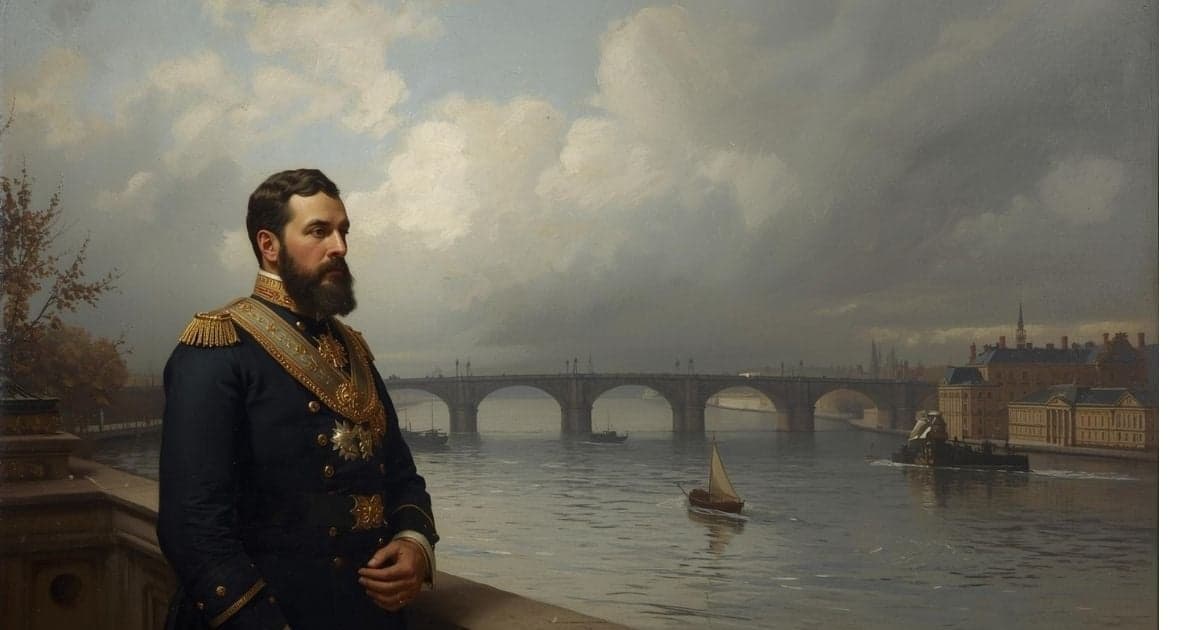
It was on the ninth of November, the eve of his own thirty-eighth birthday, as he often remembered afterwards. He was walking home about eleven o’clock from Lord Henry’s, where he had been dining, and was wrapped in heavy furs, as the night was cold and foggy. At the corner of Grosvenor Square and South Audley Street, a man passed him in the mist, walking very fast and with the collar of his grey ulster turned up. He had a bag in his hand. Dorian recognized him. It was Basil Hallward. A strange sense of fear, for which he could…
Public-domain chapter text, formatted for reading.
Master this chapter. Complete your experience
Purchase the complete book to access all chapters and support classic literature
Available in paperback, hardcover, and e-book formats
Now let's explore the literary elements.
Key Quotes & Analysis
"I don't wish to know anything about them. I love scandals about other people, but scandals about myself don't interest me. They have not got the charm of novelty."
Context: Dorian dismisses Basil's warning about London rumors
He treats his own reputation as entertainment he has already exhausted, revealing how far charm has hardened into indifference.
In Today's Words:
When someone treats warnings about their own name as boring gossip, they are often protecting a life that depends on not looking closely. Notice when you dismiss criticism as stale instead of asking what keeps it circulating. Boredom can be armor against witnesses who keep naming what your polish cannot explain.
"Yours seem to lose all sense of honour, of goodness, of purity. You have filled them with a madness for pleasure. They have gone down into the depths. You led them there."
Context: Basil judges Dorian by the ruin of the friends around him
Basil shifts from rumor to moral accounting: influence, not isolated sin, is the measure he uses.
In Today's Words:
A person is often judged by what happens to the people who orbit them closely. When several friends unravel after one relationship, ask whether the connector is exporting appetite as permission rather than sharing ordinary friendship. Orbit damage is data, not bad luck, and patterns around one connector deserve scrutiny.
"Before I could answer that, I should have to see your soul."
Context: Basil admits he no longer knows whether he knows Dorian at all
The innocent face has outlasted Basil's trust, so he demands access to the hidden record behind appearance.
In Today's Words:
If you cannot reconcile someone's polished surface with what witnesses keep saying, you may need more than another conversation. Ask what evidence would actually settle the question before you keep defending a face you only used to know. Polish without corroboration is marketing, and witnesses deserve more than another charming conversation.
"I keep a diary of my life from day to day, and it never leaves the room in which it is written. I shall show it to you if you come with me."
Context: Dorian offers to reveal the hidden portrait disguised as a diary
The invitation sounds cooperative but is theatrical revenge: Basil will see the soul he asked for, on Dorian's terms.
In Today's Words:
When someone finally agrees to show the truth but controls the room and the lighting, treat the offer as performance until you see what they have been hiding. Hidden records only matter if a witness is allowed to read them plainly. If you must follow them upstairs alone, ask who controls the exit.
Thematic Threads
Self-Deception
In This Chapter
Dorian believes destroying the portrait will somehow erase his sins and restore his innocence
Development
Evolved from earlier chapters where he rationalized each cruel act—now he's attempting the ultimate self-deception
In Your Life:
You might tell yourself that avoiding a difficult conversation will make the problem disappear on its own
Hidden Truth
In This Chapter
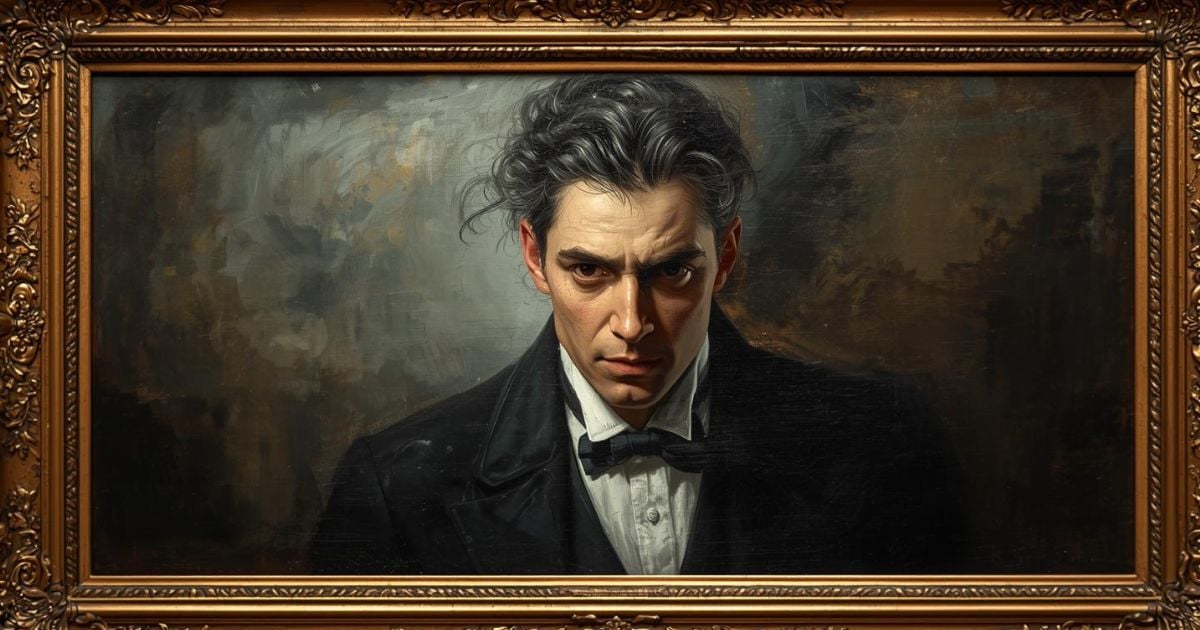
The portrait has become so grotesque it's barely recognizable as human, revealing the full scope of Dorian's corruption
Development
Developed from subtle changes in early chapters to complete moral transformation
In Your Life:
You might be shocked by how much damage you've caused when you finally face the full truth about your behavior
Consequences
In This Chapter
Dorian's attempt to escape accountability through destruction backfires catastrophically
Development
Built throughout the book as Dorian avoided each consequence—now they all come due at once
In Your Life:
You might find that trying to eliminate evidence of your mistakes only makes things worse
Moral Accountability
In This Chapter
The supernatural connection between Dorian and the portrait proves that some debts cannot be escaped
Development
Culmination of the book's exploration of whether actions have lasting moral weight
In Your Life:
You might discover that the person you've become through your choices is inescapable
Identity
In This Chapter
Dorian can no longer separate his beautiful exterior from his corrupted interior—they violently reunite
Development
Resolution of the split identity that has driven the entire narrative
In Your Life:
You might realize that who you pretend to be and who you really are will eventually have to reconcile
You now have the context. Time to form your own thoughts.
Discussion Questions
This is not a test. Five prompts guide you through the chapter, from how it opens to how it closes, so you notice context and rhythm rather than facts to memorize. Sit with each question in your own words. When you see "One way to read it," treat it as a starting point, not the only answer.
- 1
Why does Basil seek Dorian out before leaving for Paris?
analysis • surfaceOne way to read it
Rumors of corruption have spread across London. Basil wants the truth from the boy he painted before he can no longer pretend innocence holds.
- 2
What does Basil mean when he says he must see Dorian's soul?
analysis • mediumOne way to read it
Sin, he believes, writes itself on a face—but Dorian's face stayed pure. Basil needs proof beyond appearance that the whispers are false.
- 3
How does Dorian react when Basil demands an answer to the charges?
application • mediumOne way to read it
He turns pride into theater and invites Basil upstairs to see the portrait—the diary of his real life.
- 4
Why is this confrontation delayed eighteen years?
application • deepOne way to read it
Dorian's beauty and locked room postponed reckoning. Delayed reckoning only makes the gap between public face and private record unbearable.
- 5
When have rumors about someone finally forced a conversation that had been avoided for years?
reflection • deepOne way to read it
Basil's visit is what happens when witnesses stop accepting the surface and demand the hidden record.
Critical Thinking Exercise
Audit Your Hidden Costs
Think of a choice you're making repeatedly that feels harmless because the negative effects aren't immediately visible. Write down what you're doing, what damage might be accumulating unseen, and what the eventual reckoning could look like if you continue. Then identify one small step you could take this week to address it honestly.
Consider:
- •Focus on patterns, not one-time mistakes
- •Consider effects on relationships, health, reputation, or self-respect
- •Think about what you'd advise a friend doing the same thing
Journaling Prompt
Write about a time when you tried to hide or ignore the consequences of your choices. What eventually forced you to face reality, and what did you learn from that experience?
Coming Up Next...
Chapter 13
Basil follows Dorian up the dark staircase to the locked room, where Dorian turns the key and tells him he is the one man entitled to see the hidden record of what his face has concealed..