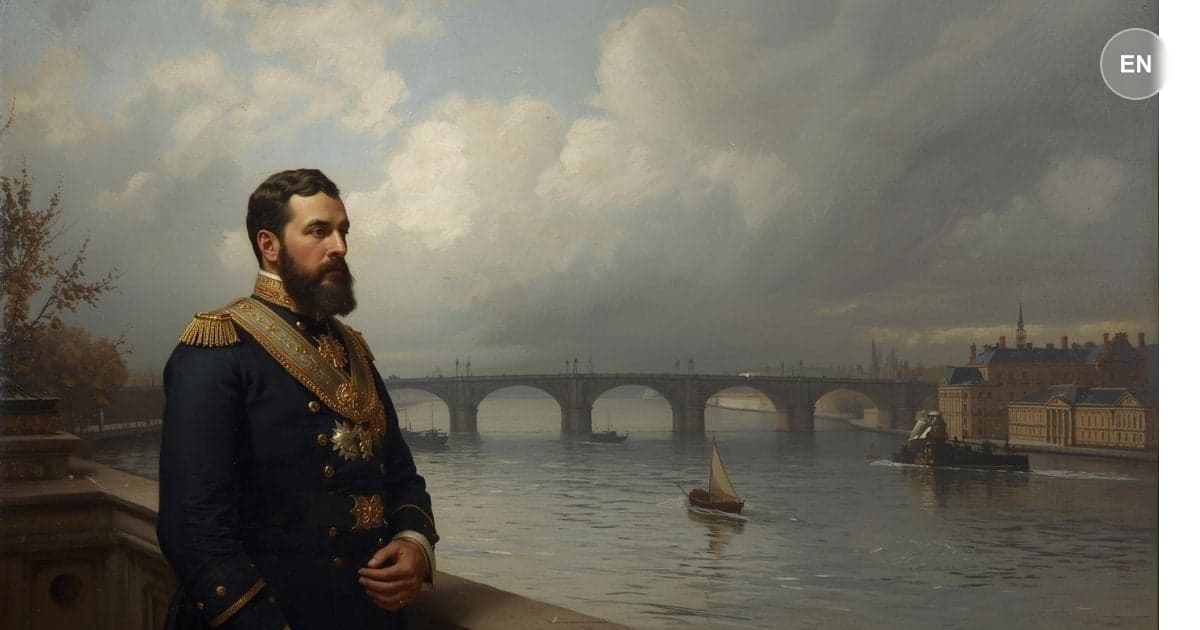
For years Dorian lives inside the yellow book Lord Henry sent him, buying nine large-paper Paris editions bound in different colours so each mood has its own copy. The novel's Parisian hero becomes a type of himself, and the whole story feels like his life written in advance. His face still looks innocent to the clubs even while rumors crawl through London, and gross talk falls silent when he enters a room. Rare sleepless nights in scented chambers or sordid dock taverns bring selfish pity, but curiosity always returns stronger than remorse. After his mysterious absences he unlocks the schoolroom, compares the aging portrait to his mirror, and sometimes delights in the contrast between his white hands and the picture's bloated ones, mocking the body that bears his sins.
He is not reckless in society: he hosts musicians and exquisite dinners while young men copy his dress and treat him as a scholar-dandy perfected. In private he pursues Lord Henry's new hedonism, samples Catholic ritual and German materialism without committing to either, and abandons each theory the moment life itself offers a sharper sensation. The dawn passage on waking before daybreak becomes his warrant for living inside the moment, and he longs to overhear confessionals without ever submitting to judgment. He studies perfumes, gives concerts of barbaric instruments, collects jewels and their legends, gathers tapestries and church vestments, and treats every object as a door to a new mood. Each obsession is elaborate, scholarly, and brief; the collections are means of forgetfulness, ways to escape the fear that the hidden portrait keeps alive.
He cannot stay abroad because separation from the canvas terrifies him, gives up houses at Trouville and Algiers, and rushes back from Nottinghamshire even mid-party to check the barred door. The thought of theft makes him cold: exposure would mean the world learning what the portrait already knows. Whispers harden after his twenty-fifth year: he is nearly blackballed, the Duke of Berwick leaves a smoking-room when he enters, and women who once adored him turn pale when he appears. Dorian smiles through the slights while friends drift away and dreadful stories link him to the docks and Blue Gate Fields, where he sometimes stays in disguise until he is driven off.
Society forgives the rich and fascinating because manners outweigh morals, and Dorian agrees that insincerity multiplies the self. He walks his ancestor gallery wondering which sins he inherited from painted forebears, reads the novel's catalogue of Renaissance poisoners until they haunt his sleep, and concludes that he was poisoned by a book. At the chapter's end he looks on evil simply as another mode of realizing beauty, having turned years of debauchery into a single glittering inventory of taste.
Coming Up in Chapter 12
On a foggy November night Basil Hallward catches Dorian near Grosvenor Square, follows him home before the midnight train to Paris, and insists on a serious talk about the dreadful rumors spreading through London clubs..