Master this chapter. Complete your experience
Purchase the complete book to access all chapters and support classic literature
As an Amazon Associate, we earn a small commission from qualifying purchases at no additional cost to you.
Available in paperback, hardcover, and e-book formats
Why This Matters
Connect literature to life
This chapter teaches how to spot when someone (including yourself) is accumulating hidden damage while maintaining perfect appearances.
Practice This Today
This week, notice when you feel the urge to hide mistakes rather than address them immediately—that's consequence debt building up.
Now let's explore the literary elements.
Key Quotes & Analysis
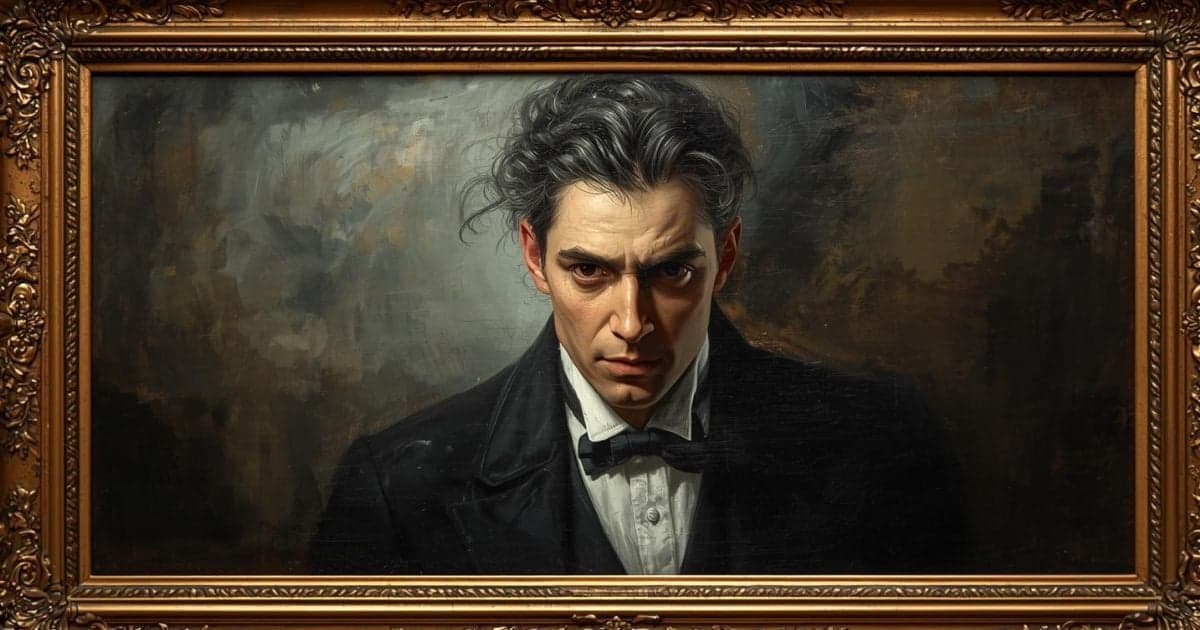
"It was his beauty that had ruined him, his beauty and the youth that he had prayed for."
Context: As Dorian stares at his corrupted portrait, reflecting on how his wish for eternal youth led to his downfall
This reveals the central irony of the story - the very thing Dorian thought would save him became his destruction. His beauty allowed him to escape consequences, which enabled his corruption.
In Today's Words:
Getting everything you want can actually destroy you if it means you never learn from your mistakes.
"He would destroy this monstrous soul-life, and without its hideous warnings, he would be at peace."
Context: Dorian decides to stab the portrait, believing this will free him from his guilt
This shows Dorian's final act of self-deception - thinking he can destroy the evidence of his corruption without facing the reality of what he's done. He still doesn't understand that true peace requires accountability.
In Today's Words:
If I just get rid of the proof, maybe I can pretend it never happened and feel better about myself.
"Each of us has heaven and hell in him."
Context: Reflecting on the dual nature of human beings as shown through Dorian's story
Wilde suggests that everyone has the capacity for both good and evil. Dorian's tragedy is that he fed only his worst impulses while ignoring his better angels, until the evil consumed him entirely.
In Today's Words:
We all have the potential to be saints or monsters - it depends on which side we choose to feed.
Thematic Threads
Self-Deception
In This Chapter
Dorian believes destroying the portrait will somehow erase his sins and restore his innocence
Development
Evolved from earlier chapters where he rationalized each cruel act—now he's attempting the ultimate self-deception
In Your Life:
You might tell yourself that avoiding a difficult conversation will make the problem disappear on its own
Hidden Truth
In This Chapter
The portrait has become so grotesque it's barely recognizable as human, revealing the full scope of Dorian's corruption
Development
Developed from subtle changes in early chapters to complete moral transformation
In Your Life:
You might be shocked by how much damage you've caused when you finally face the full truth about your behavior
Consequences
In This Chapter
Dorian's attempt to escape accountability through destruction backfires catastrophically
Development
Built throughout the book as Dorian avoided each consequence—now they all come due at once
In Your Life:
You might find that trying to eliminate evidence of your mistakes only makes things worse
Moral Accountability
In This Chapter
The supernatural connection between Dorian and the portrait proves that some debts cannot be escaped
Development
Culmination of the book's exploration of whether actions have lasting moral weight
In Your Life:
You might discover that the person you've become through your choices is inescapable
Identity
In This Chapter
Dorian can no longer separate his beautiful exterior from his corrupted interior—they violently reunite
Development
Resolution of the split identity that has driven the entire narrative
In Your Life:
You might realize that who you pretend to be and who you really are will eventually have to reconcile
You now have the context. Time to form your own thoughts.
Discussion Questions
- 1
What finally drives Dorian to attack his portrait with a knife, and what happens when he does?
analysis • surface - 2
Why do you think Dorian believed destroying the portrait would solve his problems rather than face what he had become?
analysis • medium - 3
Where do you see people today trying to 'destroy the evidence' of their poor choices instead of addressing the root problem?
application • medium - 4
If you noticed someone in your life accumulating hidden damage from their choices, how would you approach them about it?
application • deep - 5
What does Dorian's fate suggest about whether we can truly escape the consequences of our actions, even when nobody else knows about them?
reflection • deep
Critical Thinking Exercise
Audit Your Hidden Costs
Think of a choice you're making repeatedly that feels harmless because the negative effects aren't immediately visible. Write down what you're doing, what damage might be accumulating unseen, and what the eventual reckoning could look like if you continue. Then identify one small step you could take this week to address it honestly.
Consider:
- •Focus on patterns, not one-time mistakes
- •Consider effects on relationships, health, reputation, or self-respect
- •Think about what you'd advise a friend doing the same thing
Journaling Prompt
Write about a time when you tried to hide or ignore the consequences of your choices. What eventually forced you to face reality, and what did you learn from that experience?
Coming Up Next...
Chapter 13
The servants' discovery reveals the true cost of Dorian's bargain in a shocking twist that brings his story full circle. The final chapter shows what happens when someone tries to cheat the natural order of things.