Master this chapter. Complete your experience
Purchase the complete book to access all chapters and support classic literature
As an Amazon Associate, we earn a small commission from qualifying purchases at no additional cost to you.
Available in paperback, hardcover, and e-book formats
Why This Matters
Connect literature to life
This chapter teaches how to identify when systems exploit desperation to force participation in harmful practices.
Practice This Today
This week, notice when you feel pressure to compromise your values for survival—map who benefits from that pressure and what your actual options are.
Now let's explore the literary elements.
Key Quotes & Analysis
"It was quite touching, the zeal of people to see that his health and happiness were provided for."
Context: Describing the overwhelming number of advertisements targeting Packingtown residents
Sinclair uses bitter irony here. The 'zeal' isn't genuine care but predatory marketing designed to exploit vulnerable immigrants. The advertisers profit from people's desperation and unfamiliarity with American business practices.
In Today's Words:
Everyone was so eager to 'help' them spend money they didn't have on things they didn't need.
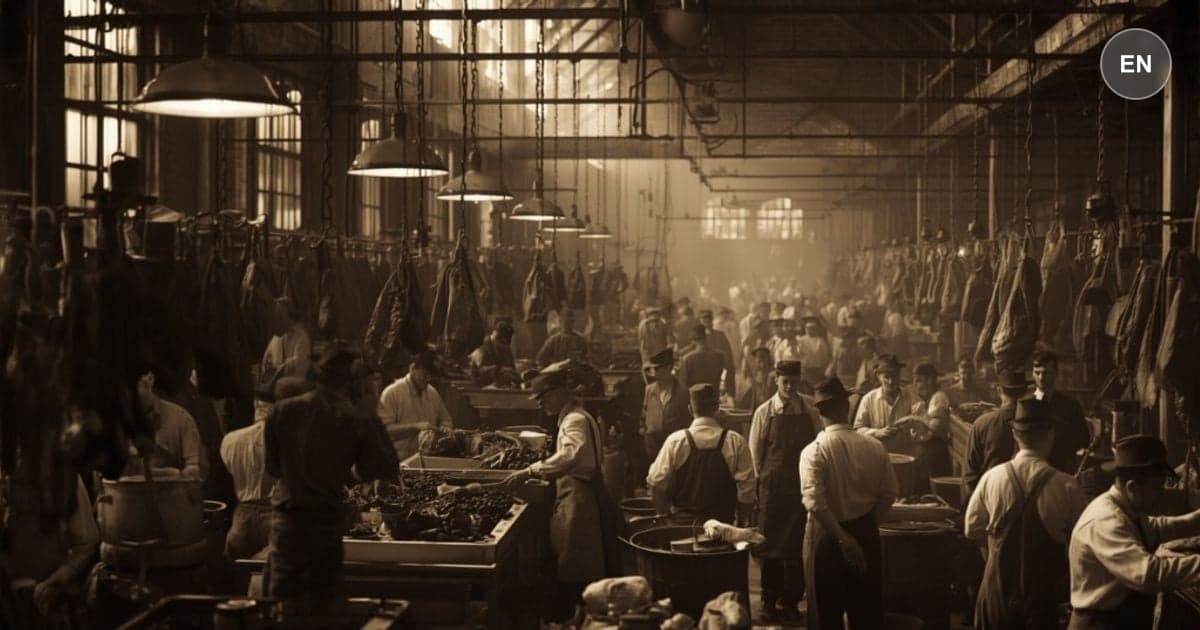
"They use everything about the hog except the squeal."
Context: Explaining to Jurgis how thoroughly the company uses every part of the animal
This famous quote reveals the industry's efficiency in maximizing profit, but also hints at the horrifying reality that diseased and contaminated parts are used too. It's both impressive and deeply disturbing.
In Today's Words:
They squeeze every penny of profit out of everything, no matter how gross or dangerous it is.
"Here was Durham's, for instance, owned by a man who was trying to make as much money out of it as he could, and did not care in the least how he did it."
Context: Describing the company owners' attitude toward their business
This captures the fundamental problem: when profit is the only goal, worker safety, product quality, and public health become irrelevant. The owners are physically and morally removed from the consequences of their decisions.
In Today's Words:
The boss only cared about making money and didn't give a damn how he did it.
Thematic Threads
Class
In This Chapter
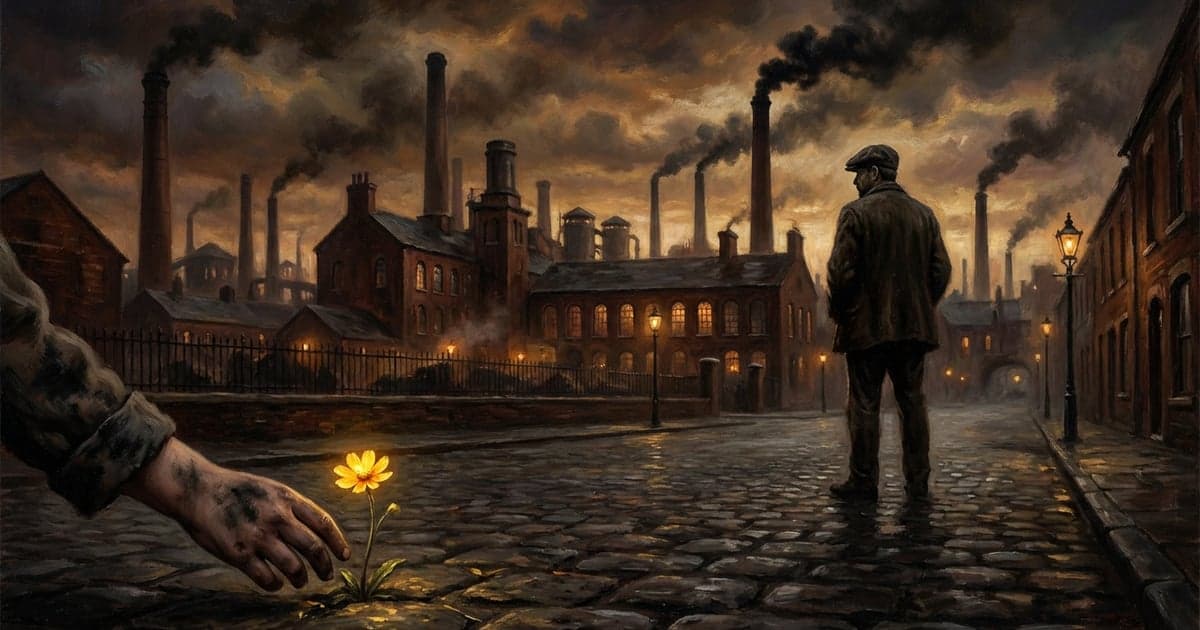
The family discovers that working-class status means accepting systematic exploitation as normal business practice
Development
Deepening from earlier hope about American opportunity to harsh reality of class-based exploitation
In Your Life:
You might recognize this when your workplace expects you to cut corners or ignore problems because 'that's just how things work here.'
Corruption
In This Chapter
Every aspect of the meatpacking industry runs on bribes, unsafe practices, and exploitation disguised as legitimate business
Development
Introduced here as the hidden engine that drives the entire economic system the family entered
In Your Life:
You see this when systems that claim to serve you actually profit from your desperation.
Survival
In This Chapter
Characters compromise their values not from greed but from desperate need to feed their families and keep shelter
Development
Evolved from earlier focus on basic needs to showing how survival pressures force moral compromises
In Your Life:
This appears when you face choices between doing what's right and doing what pays the bills.
Displacement
In This Chapter
Each family member gets work by displacing someone else—sick workers, injured workers, or those who demanded better treatment
Development
Introduced here as the mechanism that prevents worker solidarity
In Your Life:
You might experience this when you're hired to replace someone who was fired for speaking up about workplace problems.
Institutional Deception
In This Chapter
Government inspectors and official processes exist as theater while real business happens through corruption and unsafe practices
Development
Introduced here as the gap between public promises and private realities
In Your Life:
This shows up when official policies exist to protect you but enforcement is deliberately weak or nonexistent.
You now have the context. Time to form your own thoughts.
Discussion Questions
- 1
What specific compromises does each family member have to make to survive in Packingtown, and how do they justify these choices to themselves?
analysis • surface - 2
Why does the meatpacking system deliberately keep workers desperate and competing against each other rather than working together?
analysis • medium - 3
Where do you see this pattern of 'forced complicity' operating in workplaces, schools, or communities today?
application • medium - 4
If you were in Jurgis's position, how would you navigate the choice between moral principles and family survival?
application • deep - 5
What does this chapter reveal about how good people can become part of corrupt systems, and what protects against that transformation?
reflection • deep
Critical Thinking Exercise
Map Your Pressure Points
Think about a situation where you felt pressure to compromise your values for practical reasons—at work, school, or in your community. Draw or write out who benefited from your compliance, what your real options were versus what you were told, and who else was in similar positions. This isn't about judgment, but about seeing the system clearly.
Consider:
- •What would happen if you and others in similar positions coordinated your response?
- •How does isolation make people more willing to compromise than connection does?
- •What's the difference between a tactical bend and a permanent moral surrender?
Journaling Prompt
Write about a time when you had to choose between doing what felt right and doing what felt necessary. How did you navigate that choice, and what would you do differently now?
Coming Up Next...
Chapter 6: The Hidden Interest Trap
Despite witnessing the corruption around him, Jurgis remains focused on his future with Ona. Their love provides hope amid the darkness, but the harsh realities of Packingtown will soon test whether romance can survive economic brutality.