Master this chapter. Complete your experience
Purchase the complete book to access all chapters and support classic literature
As an Amazon Associate, we earn a small commission from qualifying purchases at no additional cost to you.
Available in paperback, hardcover, and e-book formats
Why This Matters
Connect literature to life
This chapter teaches how to identify when someone is deliberately withholding crucial financial information until after you're committed.
Practice This Today
This week, notice when any offer seems 'too good'—ask specifically about ALL fees, penalties, and conditions before signing anything.
Now let's explore the literary elements.
Key Quotes & Analysis
"They had been making payments regularly, and according to the deed the house was to cost them seventeen hundred dollars; but now the old woman told them that that did not include the interest."
Context: When Grandmother Majauszkiene reveals the hidden costs in their house contract
This quote exposes how predatory lending works - companies hide the true cost until families are already trapped. The word 'according to the deed' shows how legal documents can be deliberately misleading.
In Today's Words:
They thought they knew what they were paying, but nobody mentioned the interest that would double their costs.
"Four families that she could name had tried to buy that very house, but they had been unable to pay for it, and had gone back poorer than before."
Context: Explaining the house's history to the shocked family
Reveals the systematic nature of the exploitation - this isn't bad luck, it's a business model. The house is designed to be unaffordable so the company can resell it repeatedly.
In Today's Words:
This house has already bankrupted four other families - you're just the latest victims in line.
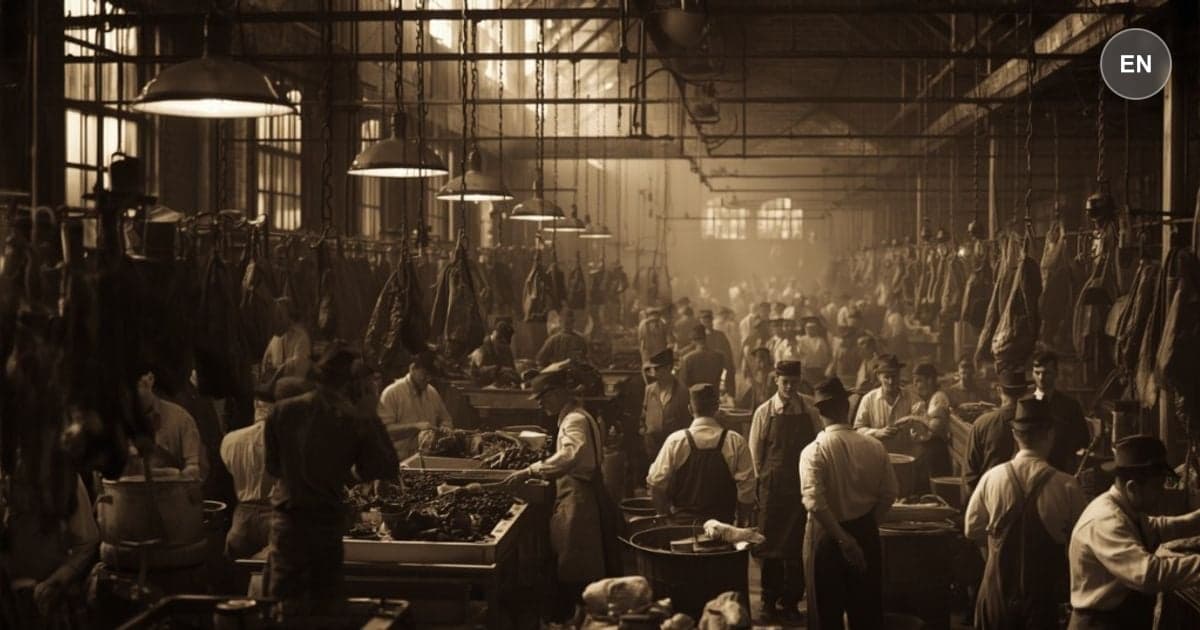
"So Ona set out that day to hunt for work; and at night Marija came home saying that she had met a girl named Jasaityte who had a friend that worked in one of the wrapping rooms in Brown's."
Context: After discovering they need more income to afford the house payments
Shows how quickly the family must abandon their plans and dreams. Ona, who was protected before, now must enter the dangerous industrial world to survive.
In Today's Words:
Ona had to find a job immediately, and they were grateful for any connection that might help.
Thematic Threads
Exploitation
In This Chapter
The housing company systematically targets poor families with contracts designed to fail, profiting from their desperation and inexperience
Development
Evolved from workplace exploitation to show how the entire economic system preys on immigrants
In Your Life:
You might see this in payday loans, rent-to-own furniture, or any deal that seems too good to be true
Child Labor
In This Chapter
Ten-year-old Stanislovas gets forged papers to work dangerous factory jobs because the family desperately needs his income
Development
Introduced here as the ultimate consequence of economic desperation
In Your Life:
You might see this when financial pressure forces families to sacrifice children's education or safety for immediate income
Information Asymmetry
In This Chapter
The family discovers hidden contract terms only after an elderly neighbor who can read English explains what they actually signed
Development
Builds on earlier language barriers to show how illiteracy becomes a weapon against the poor
In Your Life:
You might experience this any time you're pressured to sign something complex without time to understand it fully
Systemic Deception
In This Chapter
Every institution—housing, employment, even age verification—operates through deliberate lies and false promises
Development
Expanded from individual workplace lies to reveal coordinated system-wide fraud
In Your Life:
You might recognize this in how multiple industries use similar deceptive practices to extract money from working people
Survival Adaptations
In This Chapter
The family responds to crisis by sending more members into dangerous work, including forging documents for a child
Development
Shows how desperation forces people to compromise their values and safety
In Your Life:
You might face similar choices when economic pressure forces you to accept dangerous or unethical work conditions
You now have the context. Time to form your own thoughts.
Discussion Questions
- 1
What did Grandmother Majauszkiene reveal about the Rudkus family's house that they didn't know when they signed the contract?
analysis • surface - 2
Why do you think the company deliberately hid the interest charges from families like the Rudkus? What does this tell us about their business model?
analysis • medium - 3
Where do you see this pattern of hidden costs in today's world? Think about contracts, bills, or agreements you've encountered.
application • medium - 4
If you were advising someone about to sign a major contract today, what specific questions would you tell them to ask to avoid the Rudkus family's trap?
application • deep - 5
The family had to put ten-year-old Stanislovas to work to survive. What does this reveal about how financial traps affect entire families, not just the adults who signed the papers?
reflection • deep
Critical Thinking Exercise
Decode the Fine Print
Think of a recent contract, agreement, or major purchase you made (phone plan, apartment lease, car loan, credit card). Write down what you thought the total cost would be when you first agreed, then list all the additional fees, charges, or costs you discovered later. Compare your experience to the Rudkus family's shock about their house payment.
Consider:
- •Were there any fees or charges that surprised you after you'd already committed?
- •What questions could you have asked upfront to discover the true total cost?
- •How did the seller or company present the deal to make it seem more affordable than it really was?
Journaling Prompt
Write about a time when you discovered hidden costs or terms after making a commitment. How did it feel, and what did you learn about protecting yourself in future agreements?
Coming Up Next...
Chapter 7: The Wedding Debt and Winter's Cruelty
Despite their crushing debt, Jurgis and Ona finally scrape together enough money for a proper Lithuanian wedding celebration. But in Packingtown, even joy comes with a price tag that threatens to destroy them.