
Lessons
Lessons from The Great Gatsby
Six lessons from this classic work, traced chapter by chapter.
0:00 / 0:00
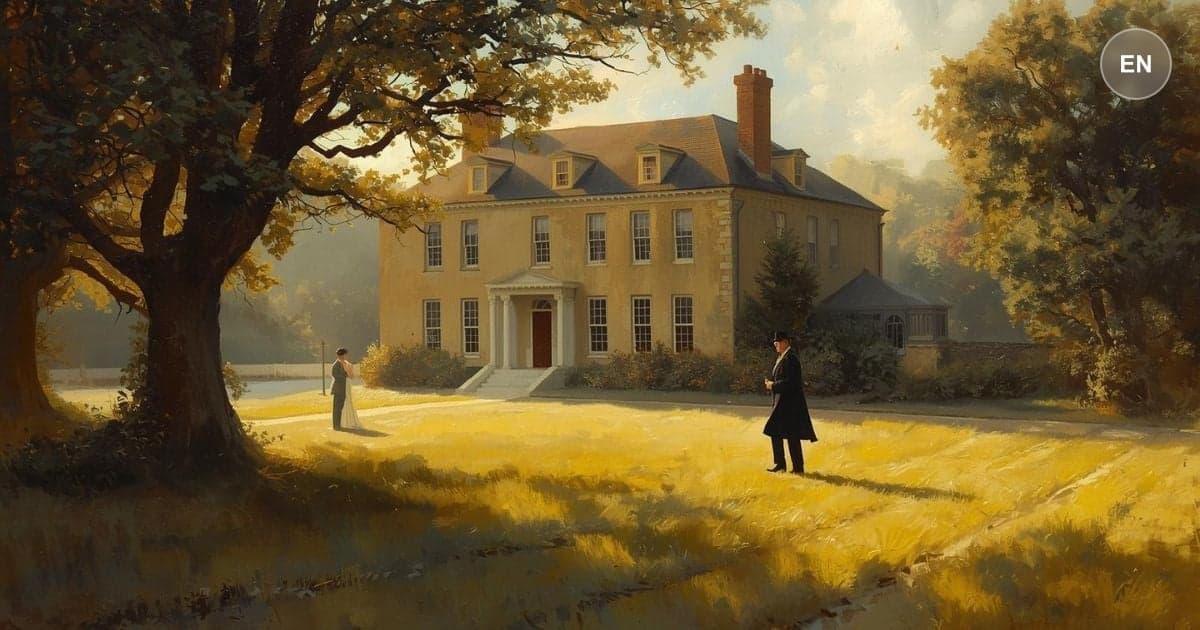
Nick Carraway watches a man on a West Egg lawn reach toward a single green light across the water. The man is Jay Gatsby. The light sits on Daisy Buchanan's dock. Fitzgerald published the novel in 1925. The fortune, the mansion, and the parties were all built to recover a girl who had already chosen someone else.
Continue the summary
Nick is a Yale man from a Midwest hardware family who comes East in the spring of 1922 to sell bonds and rents a shack squeezed between two estates. Jay Gatsby is James Gatz of North Dakota, a poor kid who renamed himself at seventeen when Dan Cody's yacht anchored in Lake Superior, made his money through bootlegging, and bought the Norman mansion next door so Daisy might walk into one of his parties. Daisy Buchanan is Nick's cousin: her voice is full of money, and she married Tom. Tom Buchanan is a former football star with a polo-pony fortune and a mistress named Myrtle Wilson at a garage in the valley of ashes. Jordan Baker is the golfer who floats through rooms and tells Nick the 1917 story. George Wilson believes what Tom feeds him. Meyer Wolfshiem fixed the 1919 World Series and wears human molars as cufflinks. Owl Eyes, drunk in the library, is shocked that the books are real.
Tom drags Nick off the train at Wilson's garage and upstairs to Myrtle's apartment, where a broken nose ends the party. Nick finally meets Gatsby among uninvited guests and uncut books. Gatsby drives him into the city, produces an Oxford photograph, and introduces Wolfshiem. Nick brokers tea at his cottage; a mantel clock nearly falls; Daisy weeps into shirts; the green light on her dock goes ordinary. Tom arrives on horseback and will not stay for dinner. In a Plaza Hotel suite Tom names the bootlegging and forces Daisy to admit she loved him too. Driving home, Daisy hits Myrtle with Gatsby's car and keeps going. Gatsby waits all night under her window. Wilson, told the yellow car was Gatsby's, walks to West Egg and shoots him in the pool. Almost nobody comes to the funeral.
Fitzgerald never treats the green light as decoration, or the parties as Jazz Age scenery. He wrote the book after living on Long Island next to a mansion he could see and not enter, after marrying a woman who would not have him until he could pay. The novel is short because he cut it to the bone. What remains is not a hymn to ambition. It is a picture of what happens when you build an entire identity to win back a version of a person who no longer exists, and when inherited money walks away clean while the people climbing pay the bill.
The green light is the first pressure. You Cannot Repeat the Past is the claim that 1917 can be recovered, the tea where Daisy weeps into shirts, and the boats against the current that close the book. Confusing the Dream with the Person is a voice full of money that cannot stay a woman once Tom names the bootlegging at the Plaza. The Cost of Reinvention is James Gatz rowing out to Cody's yacht, the Oxford photograph, and the name that dies in a pool. What Wealth Actually Signals is East Egg arriving on horseback and refusing dinner, then walking away clean while Myrtle is left in the road. Corruption Beneath Glamour is Wolfshiem's molars, the broken nose in Myrtle's apartment, and the guests who ate all summer. The Cost of Watching is Nick seeing the hit-and-run, the night under the window, and a funeral almost nobody attends.
A yellow car keeps going after Myrtle is in the road. Gatsby waits all night under Daisy's window. Almost nobody comes to the funeral. Wide Reads sets summaries, quotes, and audio beside all nine chapters, from a green light on a dock to an empty pool in West Egg.
Why this matters
People still open this novel when they have built a life to recover a version of someone who has already moved on, or when inherited comfort walks away from a wreck it helped cause. Fitzgerald does not offer a policy victory. This guide keeps that pressure tied to the green light in chapter 1, the tea in chapter 5, and the funeral in chapter 9.
Prestige deep dive
A Psychological Reading of The Great Gatsby
The Great Gatsby shows a man who builds a name, a house, and a summer so that one lost scene can be restored, then meets the person who cannot carry the symbol he made of her.
- A Seventeen-Year-Old Writes the Man in Advance
- Daisy Has to Carry a Light, Not a Life
- He Needs a Sentence That Deletes Four Years
Theme breakdowns
Explore the lessons
The Great Gatsby is Fitzgerald's 1925 novel of a man who buys the house across the water from a green light: Nick watches James Gatz become Jay Gatsby so Daisy might walk into a party, a tea at the cottage almost restores 1917, a yellow car leaves Myrtle in the road, and almost nobody comes to the funeral while inherited money leaves town clean.
Each card traces a pattern through named chapters — summaries, quotes, and key insights tied to the scenes that prove it. Start with the featured lessons, then open the deep dives below.
Deep dives
Chapter-by-chapter breakdowns
What Wealth Actually Signals
Read East Egg against West Egg, then the valley of ashes, and watch millions fail at the one boundary that matters.
The Cost of Watching
Follow Nick from reserved judgment to an empty funeral and see what witness costs when it never becomes action.
Continue Exploring
Guides, life skills, and the full library.More ways to read The Great Gatsby: guides, life skills, and the wider library.