Wide Reads
Literature MattersLife IndexEducators
Sign in
Where to Begin

West Egg and the Green Light — The Great Gatsby

The Great Gatsby - West Egg and the Green Light

F. Scott Fitzgerald

The Great Gatsby

West Egg and the Green Light

Home›Books›The Great Gatsby›Chapter 1: West Egg and the Green Light
1 of 9
Next

Analysis by the Wide Reads editorial team·Reviewed against the source text·Updated January 28, 2025

Summary

West Egg and the Green Light

The Great Gatsby by F. Scott Fitzgerald

0:000:00
Listen to Next Chapter

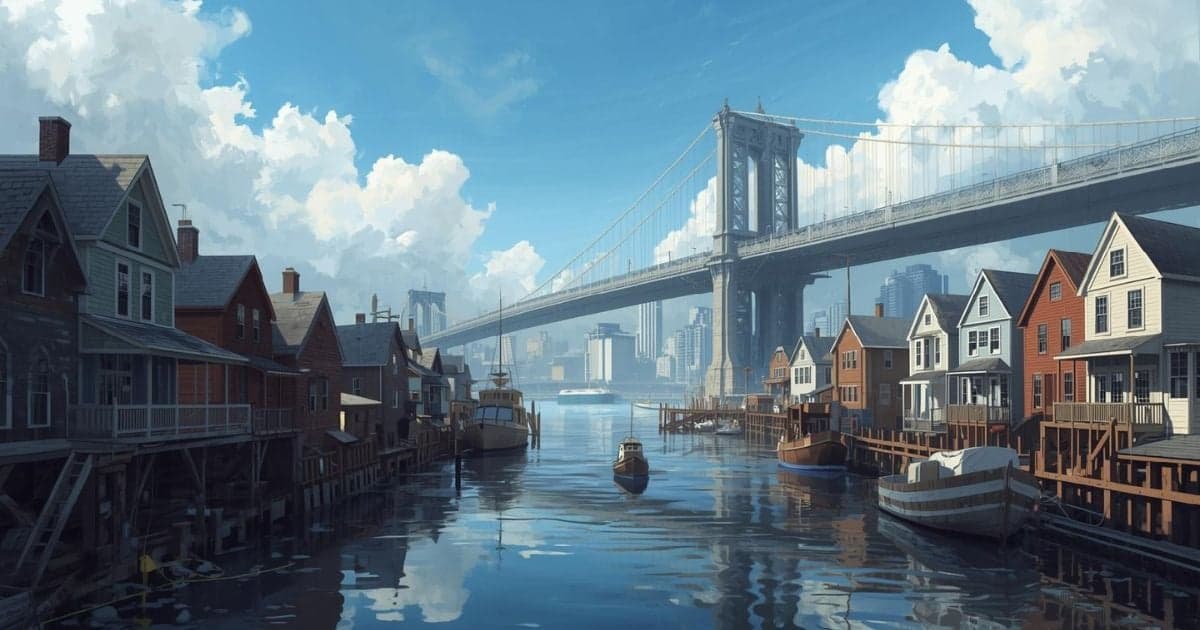
Nick opens by admitting his father's advice made him reserve judgment, which draws confessions he sometimes fakes sleep to avoid. He also admits that tolerance has a limit. When he came back from the East last autumn he wanted moral order restored, except Gatsby alone was exempt: a man with an extraordinary gift for hope before the foul dust closed Nick out. Nick is a Yale man from a Midwest hardware family who moves East in the spring of 1922 to sell bonds. He rents a small shack in West Egg squeezed between two estates, with Gatsby's Norman mansion on one side and the bay on the other. Across the water, old money lives in East Egg.

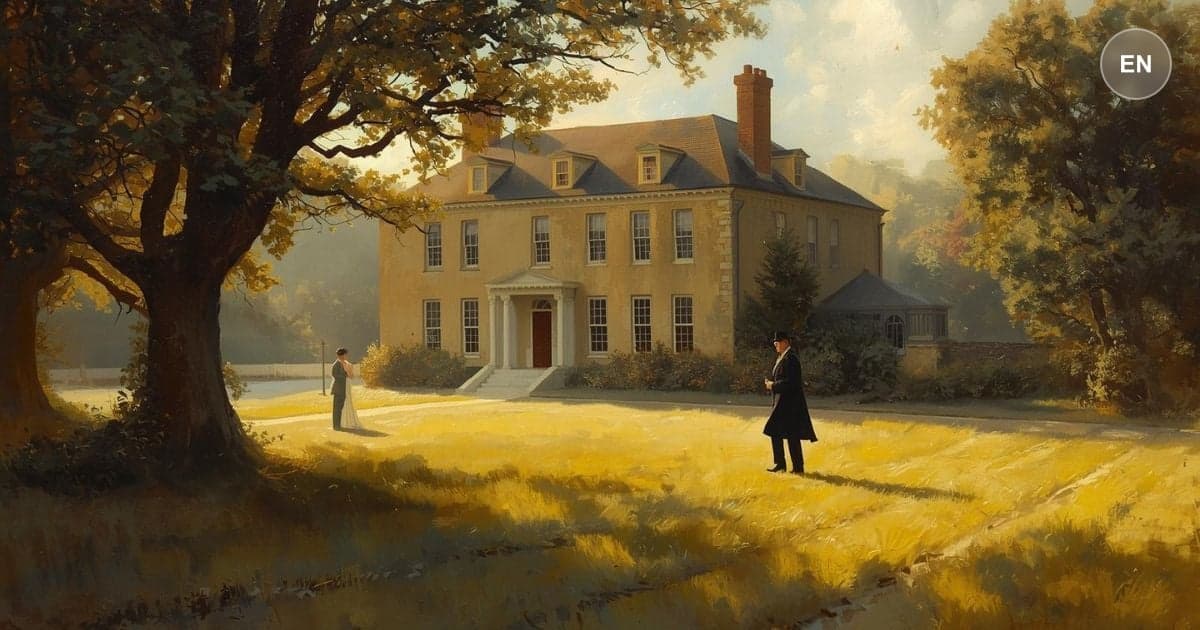
The chapter's real action happens at Tom and Daisy Buchanan's house. Tom is a former football star with a cruel body and a polo-pony fortune; Daisy floats through the room in white, performing happiness that does not hold. Jordan Baker, a golfer Nick half recognizes from the society pages, balances on the sofa like a trophy on display. Dinner turns ugly when Daisy shows a bruised knuckle and mocks Tom as a brute, then Tom launches into a racist screed from a book called The Rise of the Coloured Empires. The butler calls Tom inside. Jordan shuts Nick up so she can eavesdrop on the fight.

She tells him what everyone in their circle already knows: Tom has a woman in New York who phones him at dinner. Tom and Daisy return performing calm while the phone keeps ringing. On the porch Daisy confesses she hopes her daughter will be a beautiful little fool, because that is the best thing a girl can be in this world; Nick feels the insincerity and catches her smirk. He leaves confused and a little disgusted, thinking Daisy should flee with her child but knowing she will not.

Back in West Egg he finds Gatsby alone on the lawn, arms reaching toward a green light on Daisy's dock. Gatsby trembles. Nick does not call out. When he looks again, Gatsby has vanished.

In this chapter: Terms Characters Key Quotes Themes Modern Story

Why This Matters

Connect literature to life

Skill: Reading When Silence Becomes Complicity

People hand you their secrets when you look like you will not judge them, and that access feels like trust until you realize you are being kept in the room as a witness, not a friend. At Tom and Daisy's dinner, Jordan hushes Nick so she can listen through the wall while Tom takes a call from his mistress; Nick's instinct is to call the police, but he stays seated and learns the story instead. Listen without rushing to judgment while still noticing when silence is becoming complicity.

Coming Up in Chapter 2

Nick receives a formal invitation while strangers simply crash his neighbor's lawn, and the party runs like a private amusement park of oranges, orchestra, and rumor. He will finally meet Jay Gatsby in the Gothic library and discover the host standing alone on the porch after the lights go out.

Share it with friends

NextNext Chapter
Original text
5,892 wordscomplete

Chapter 01

West Egg and the Green Light

I In my younger and more vulnerable years my father gave me some advice that I’ve been turning over in my mind ever since. “Whenever you feel like criticizing anyone,” he told me, “just remember that all the people in this world haven’t had the advantages that you’ve had.” He didn’t say any more, but we’ve always been unusually communicative in a reserved way, and I understood that he meant a great deal more than that. In consequence, I’m inclined to reserve all judgements, a habit that has opened up many curious natures to me and also made me the…

Public-domain chapter text, formatted for reading.

Master this chapter. Complete your experience

Purchase the complete book to access all chapters and support classic literature

Buy at Powell'sBuy on Amazon

Available in paperback, hardcover, and e-book formats

Now let's explore the literary elements.

Key Quotes & Analysis

"Whenever you feel like criticizing anyone, just remember that all the people in this world haven't had the advantages that you've had."

— Nick's father

Context: Advice Nick received in his youth

This advice shapes Nick's entire perspective. It makes him non-judgmental, which allows him to see and understand Gatsby, but it also makes him vulnerable to being used by others.

In Today's Words:

Before you judge someone, remember they didn't grow up with your advantages. Nick's father taught him this early, and it stuck with him throughout life. This mindset makes Nick incredibly tolerant and understanding of others' flaws and mistakes, but it also leaves him open to manipulation and exploitation by those around him.

"Only Gatsby, the man who gives his name to this book, was exempt from my reaction—Gatsby, who represented everything for which I have an unaffected scorn."

— Nick

Context: Nick explaining why Gatsby alone survived his post-East disillusionment

Before Nick has even met Gatsby properly, he has already decided Gatsby is the exception. That early exemption is what will make him complicit later.

In Today's Words:

Nick hates the wealthy elite yet exempts Gatsby without truly knowing him. It's like despising corporate culture while idolizing one charismatic CEO because they seem different. This selective blindness allows you to participate in systems you supposedly oppose while maintaining the illusion that you're morally superior to it all.

"Tom's got some woman in New York."

— Jordan Baker

Context: Jordan tells Nick the open secret after eavesdropping on Tom's phone call

The affair is public knowledge inside the circle, but Nick is still outside it. His non-judgmental listening gets him the story without giving him any power to stop it.

In Today's Words:

Jordan casually reveals Tom's affair with Daisy like it's common gossip. Their entire social circle already knows about it. This open secret thrives in elite circles where appearances matter most. Nick understands he's being granted insider access, but strictly as a passive observer without any meaningful influence to change anything.

"And I hope she'll be a fool—that's the best thing a girl can be in this world, a beautiful little fool."

— Daisy Buchanan

Context: Daisy telling Nick what she said when her daughter was born

Daisy names the bargain of her class: ignorance as protection. Nick hears the performance underneath and catches her smirk a moment later.

In Today's Words:

Daisy wants her daughter to be a beautiful fool because intelligent women see harsh realities and suffer. She reveals how wealthy women survive by staying willfully ignorant in male-dominated society. Like choosing blissful ignorance in toxic situations, it's self-protection through deliberate naivety. Nick sees her performance but understands the genuine constraints.

Thematic Threads

Observation

In This Chapter

Nick's role as observer and narrator

Development

His non-judgmental perspective allows him to see truth others miss

In Your Life:

Sometimes the best way to understand a situation is to observe without immediately judging—but know when judgment becomes necessary

Social Class

In This Chapter

The divide between East Egg and West Egg

Development

Old money versus new money, established versus aspirational

In Your Life:

Recognize how social class and status shape relationships and opportunities, even when they're not explicitly discussed

You now have the context. Time to form your own thoughts.

Discussion Questions

This is not a test. Five prompts guide you through the chapter, from how it opens to how it closes, so you notice context and rhythm rather than facts to memorize. Sit with each question in your own words. When you see "One way to read it," treat it as a starting point, not the only answer.

  1. 1

    What does Nick mean when he says he reserves judgment, and where does that habit fail him at Tom and Daisy's dinner?

    ▶One way to read it

    Nick listens without flinching, which makes people confide in him. At the Buchanans' he hears Tom's racism, Daisy's bruised knuckle, and the mistress on the phone, yet stays seated instead of leaving or intervening.

    analysis • surface
  2. 2

    How does the divide between East Egg and West Egg shape what Nick walks into?

    ▶One way to read it

    East Egg holds old money and performance; West Egg holds new money and aspiration. Nick rents between Gatsby's mansion and the bay, entering a world where status is geography and every dinner is a test of belonging.

    analysis • medium
  3. 3

    Why does Daisy say she hopes her daughter will be a beautiful little fool?

    ▶One way to read it

    She has learned that visibility and feeling in a brutal marriage bring pain. The line sounds sincere, then smirks into performance, showing how survival can masquerade as cynicism.

    application • medium
  4. 4

    What does Gatsby reaching toward the green light reveal before Nick knows his name?

    ▶One way to read it

    Gatsby stands alone trembling toward a distant dock light across the bay, Daisy's world. The gesture is longing before plot: a man already living inside a dream he has not yet recovered.

    application • deep
  5. 5

    When have you observed something wrong in a room but stayed quiet because you were the guest or newcomer?

    ▶One way to read it

    Observation without a line becomes complicity. Ask whether you are gathering context or being kept as a witness who will not interfere.

    reflection • deep

Critical Thinking Exercise

10 minutes

The Observer's Dilemma

Nick reserves judgment to understand others, but this makes him vulnerable. Think about when observation without judgment helps you understand, and when it makes you vulnerable.

Consider:

  • •When does reserving judgment help you understand others?
  • •When does it make you vulnerable to manipulation?
  • •How can you balance observation with necessary judgment?
  • •What are the signs that you're being drawn into something corrupt?

Journaling Prompt

Write about a time when reserving judgment helped you understand someone, and a time when it made you vulnerable. How can you balance observation with necessary judgment?

Coming Up Next...

Chapter 2: The Valley of Ashes

Nick receives a formal invitation while strangers simply crash his neighbor's lawn, and the party runs like a private amusement park of oranges, orchestra, and rumor. He will finally meet Jay Gatsby in the Gothic library and discover the host standing alone on the porch after the lights go out.

Continue to Chapter 2
Contents
Next
The Valley of Ashes
Keep exploring

Continue Exploring

Study guides, teaching tools, themes, and the full library.More ways to read The Great Gatsby: study guides, teaching tools, and the wider library.

  • The Great Gatsby Study Guide
  • Teaching Resources
  • Essential Life Index
  • Browse by Theme
  • All Books

What this chapter teaches

Theme analyses that draw on this chapter and apply it to modern life.

  • Confusing the Dream with the PersonGatsby never loved Daisy — he loved what she represented. Fitzgerald shows how confusing the dream with the person destroys both.
  • The Cost of WatchingNick Carraway sees everything clearly and does almost nothing. Fitzgerald
  • What Wealth Actually SignalsExplore what wealth actually signals through The Great Gatsby by F. Scott Fitzgerald. Timeless wisdom for modern life.
  • You Cannot Repeat the PastGatsby
Social Class & StatusLove & RelationshipsIdentity & Self-Discovery

You Might Also Like

Great Expectations cover

Great Expectations

Charles Dickens

Explores society & class

Madame Bovary cover

Madame Bovary

Gustave Flaubert

Explores love & romance

A Room with a View cover

A Room with a View

E.M. Forster

Explores love & romance

The Blue Castle cover

The Blue Castle

L. M. Montgomery

Explores love & romance

Browse all 106+ books

Share This Chapter

Know someone who'd enjoy this? Spread the wisdom!

TwitterFacebookLinkedInEmail

Go further with Prestige

Unlock study guides and downloads, early access, and exclusive content — and support free access for everyone.

Subscribe to PrestigeCreate free account
Intelligence Amplifier
Intelligence Amplifier™Powering Wide Reads

Exploring human-AI collaboration through books, essays, and philosophical dialogues. Classic literature transformed into navigational maps for modern life.

2025 Books

→ The Amplified Human Spirit→ The Alarming Rise of Stupidity Amplified→ San Francisco: The AI Capital of the World
Visit intelligenceamplifier.org
hello@widereads.com

WideReads Originals

→ You Are Not Lost→ The Last Chapter First→ The Lit of Love→ Wealth and Poverty→ Wisdom for the Wounded
Arvintech
arvintechAmplify your Mind
Visit at arvintech.com

Navigate

  • Home
  • Library
  • Essential Life Index
  • How It Works
  • Subscribe
  • Account
  • About
  • Contact
  • Authors
  • Suggest a Book
  • Landings

Made For You

  • Trending
  • Students
  • Educators
  • Families
  • Readers
  • Literary Analysis
  • Finding Purpose
  • Letting Go
  • Recovering from a Breakup
  • Corruption
  • Gaslighting in the Classics

Newsletter

Weekly insights from the classics. Amplify Your Mind.

Legal

  • Privacy Policy
  • Terms of Service
  • Editorial Standards
  • Cookie Policy
  • Accessibility

Why Public Domain?

We focus on public domain classics because these timeless works belong to everyone. No paywalls, no restrictions—just wisdom that has stood the test of centuries, freely accessible to all readers.

Public domain books have shaped humanity's understanding of love, justice, ambition, and the human condition. By amplifying these works, we help preserve and share literature that truly belongs to the world.

A Pilgrimage

Powell's City of Books

Portland, Oregon

If you ever find yourself in Portland, walk to the corner of Burnside and 10th. The building takes up an entire city block. Inside is over a million books, new and used on the same shelf, organized by color-coded rooms with names like the Rose Room and the Pearl Room. You can lose an afternoon. You can lose a weekend. You will find a book you have been looking for your whole life, and three you did not know existed.

It is a pilgrimage. We cannot find a bookstore like it anywhere on earth. If you read the classics, and you ever get the chance, go. It belongs on every reader's bucket list.

Visit powells.com

We are not in any way affiliated with Powell's. We are just a very big fan.

© 2026 Wide Reads™. All Rights Reserved.

Intelligence Amplifier™ and Wide Reads™ are proprietary trademarks of Arvin Lioanag.

Copyright Protection: All original content, analyses, discussion questions, pedagogical frameworks, and methodology are protected by U.S. and international copyright law. Unauthorized reproduction, distribution, web scraping, or use for AI training is strictly prohibited. See our Copyright Notice for details.

Disclaimer: The information provided on this website is for general informational and educational purposes only and does not constitute professional, legal, financial, or technical advice. While we strive to ensure accuracy and relevance, we make no warranties regarding completeness, reliability, or suitability. Any reliance on such information is at your own risk. We are not liable for any losses or damages arising from use of this site. By using this site, you agree to these terms.