Wide Reads
Literature MattersLife IndexEducators
Sign in
Where to Begin

Return to Roulettenberg — The Gambler

The Gambler - Return to Roulettenberg

Fyodor Dostoevsky

The Gambler

Return to Roulettenberg

Home›Books›The Gambler›Chapter 1: Return to Roulettenberg
1 of 17
Next

Analysis by the Wide Reads editorial team·Reviewed against the source text·Updated December 20, 2025

Summary

Return to Roulettenberg

The Gambler by Fyodor Dostoevsky

0:000:00
Listen to Next Chapter

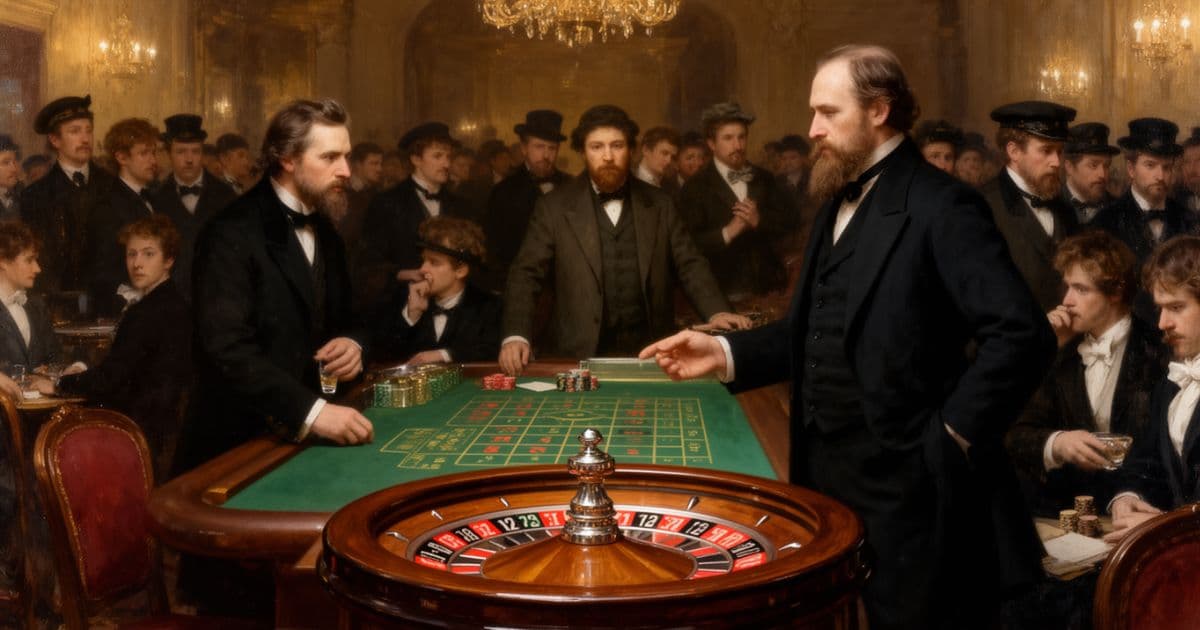
The narrator returns from a two-week absence to find the General's party at Roulettenberg suddenly flush with mysterious money and treating him with cold distance. The General lectures him about gambling while changing large bills and performing wealth for Mlle. Blanche, the French Marquis, and the Englishman Astley. At luncheon the narrator deliberately provokes the Frenchman with stories of Russian pride, then meets Polina in the park. Their talk exposes the household's fixation on the dying grandmother's will, the Marquis's courtship of Polina, and a bond of need and hatred between them. Polina orders him to gamble her money at roulette. He knows he is being used yet obeys, and the chapter ends with him heading to the tables.

In this chapter: Terms Characters Key Quotes Themes Modern Story

Why This Matters

Connect literature to life

Skill: Spotting Useful Contempt

People sometimes keep you close precisely because they can afford to disrespect you. Polina admits she needs the narrator while telling him she hates that he has gone so far. Ask whether someone's coldness is information about your worth or about their dependence on your availability.

Coming Up in Chapter 2

Armed with Polina's money and her impossible demands, our narrator heads to the roulette table. But gambling isn't just about money here, it's about power, desperation, and the dangerous thrill of risking everything for someone who may not be worth it.

Share it with friends

NextNext Chapter
Original text
3,800 wordscomplete

Chapter 01

Return to Roulettenberg

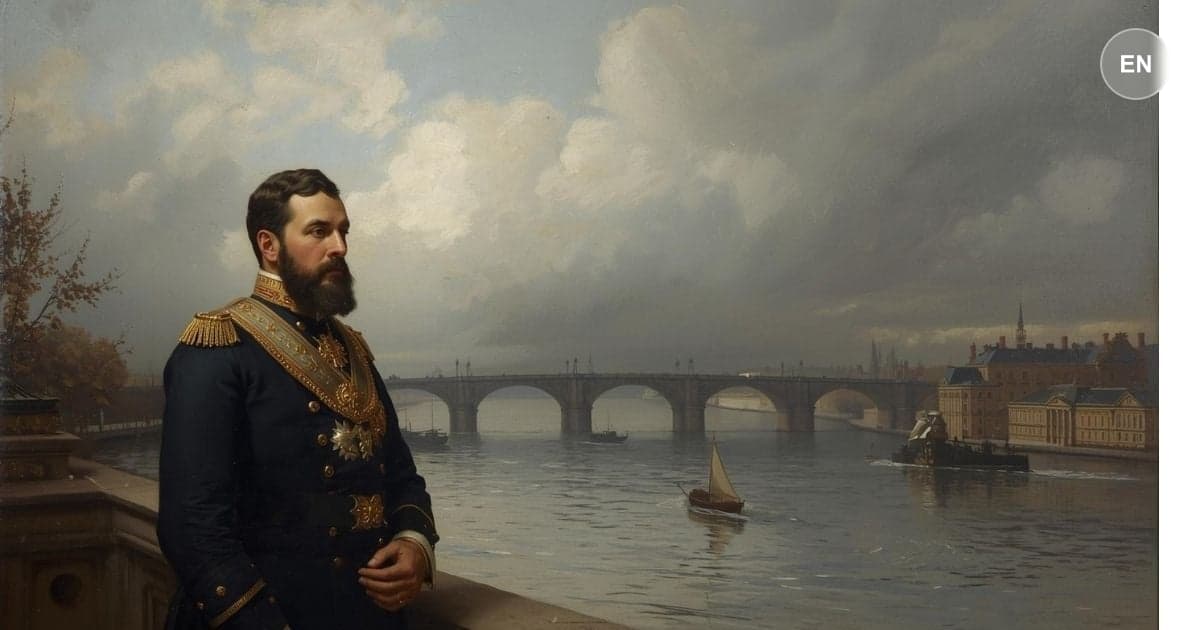
At length I returned from two weeks leave of absence to find that my patrons had arrived three days ago in Roulettenberg. I received from them a welcome quite different to that which I had expected. The General eyed me coldly, greeted me in rather haughty fashion, and dismissed me to pay my respects to his sister. It was clear that from somewhere money had been acquired. I thought I could even detect a certain shamefacedness in the General’s glance. Maria Philipovna, too, seemed distraught, and conversed with me with an air of detachment. Nevertheless, she took the money which…

Public-domain chapter text, formatted for reading.

Master this chapter. Complete your experience

Purchase the complete book to access all chapters and support classic literature

Buy at Powell'sBuy on Amazon

Available in paperback, hardcover, and e-book formats

Now let's explore the literary elements.

Key Quotes & Analysis

"It was clear that from _somewhere_ money had been acquired."

— Narrator

Context: The narrator reads the General's sudden change in fortune upon his return

The vague source signals shady finance behind the family's new display of wealth and cold confidence.

In Today's Words:

Something had changed while he was away: cash appeared from an unnamed source and everyone started acting like they had always been rich. When money shows up without explanation, watch who gets polite and who gets pushed to the margins before you accept the new story.

"I suppose you would like to take them to the Casino to play roulette?"

— The General

Context: The General warns the narrator not to compromise him by gambling

The General projects his own vice onto the tutor while borrowing his money and staging respectability for hangers-on.

In Today's Words:

He accuses the tutor of wanting the casino while the General himself is flashing bills and throwing banquets. People with power often preach restraint to the person beneath them so their own risk looks like discipline and the double standard stays invisible to the room.

"I hate you because I have allowed you to go to such lengths"

— Polina Alexandrovna

Context: Polina tells the narrator why she despises him after letting him speak of his devotion

She names the trap openly: his availability disgusts her because she has permitted it, yet she still needs him.

In Today's Words:

She says she hates him because she let him get too close, which is brutally honest about mixed signals. When someone keeps you near while resenting your devotion, the cruelty is often aimed at themselves as much as at you, and clarity will not fix it if you keep answering.

"Take these 700 florins, and go and play roulette with them. Win as much for me as you can,"

— Polina Alexandrovna

Context: Polina sends the narrator to the tables at the chapter's end

She converts his obsession into labor, sending him toward the vice the General forbade moments earlier.

In Today's Words:

She hands him her money and tells him to win as much as he can, turning love into an errand at the roulette wheel. That is how exploitation often works: your feelings become the engine for someone else's risky plan while they keep their hands clean.

Thematic Threads

Class Resentment

In This Chapter

The narrator's rage at being treated like a servant despite his education, channeled into deliberately provocative behavior

Development

Introduced here

In Your Life:

When you feel invisible at work despite your contributions, leading to passive-aggressive responses that hurt your own reputation.

Toxic Dependency

In This Chapter

Polina and the narrator's mutual admission that they need and hate each other, yet cannot break free

Development

Introduced here

In Your Life:

Staying in relationships where you know you're being used because the alternative feels worse than the familiar pain.

Performance of Status

In This Chapter

The General's sudden wealth display and the French 'Marquis' clearly performing aristocracy to access inheritance money

Development

Introduced here

In Your Life:

People who suddenly get money or promotion and immediately change how they treat others, or those who fake credentials to gain access.

Self-Sabotage

In This Chapter

The narrator accepting Polina's gambling order immediately after being warned against gambling, ensuring his own destruction

Development

Introduced here

In Your Life:

Making choices you know will hurt you as a way to prove that you're as worthless as you feel others think you are.

You now have the context. Time to form your own thoughts.

Discussion Questions

This is not a test. Five prompts guide you through the chapter, from how it opens to how it closes, so you notice context and rhythm rather than facts to memorize. Sit with each question in your own words. When you see "One way to read it," treat it as a starting point, not the only answer.

  1. 1

    Why does the narrator provoke the Frenchman at lunch instead of staying quiet?

    ▶One way to read it

    He is humiliated by his servant role and uses rage to reclaim a sense of agency, even if it embarrasses the General.

    analysis • surface
  2. 2

    What does Polina mean when she says she hates the narrator because she allowed him to go so far?

    ▶One way to read it

    She resents her own dependence on his devotion and punishes him for the intimacy she permitted.

    analysis • medium
  3. 3

    Where have you seen someone preach against a vice they practice through others?

    ▶One way to read it

    Bosses who gamble with company money while scolding staff, or parents who spend while lecturing children about savings.

    application • medium
  4. 4

    Why does mysterious new money change how the General's party treats the narrator?

    ▶One way to read it

    Wealth restores their performance of rank; he becomes useful but not equal, which sharpens his resentment.

    analysis • deep
  5. 5

    What would breaking the cycle at the end of this chapter actually require from the narrator?

    ▶One way to read it

    Refusing Polina's order and leaving Roulettenberg, which would mean facing loss of income, status, and obsessive hope.

    reflection • deep

Critical Thinking Exercise

10 minutes

Map Your Own Power Dynamics

List three relationships or situations in your life where you give more than you receive. For each one, write down what you tell yourself about why you stay or continue. Then honestly assess: what are you actually getting from this dynamic, even if it's negative attention or a sense of being needed?

Consider:

  • •Look for patterns in your justifications across different relationships
  • •Notice if you feel angry or resentful but stay anyway
  • •Consider what you might be afraid would happen if you set boundaries

Journaling Prompt

Write about a time when you knew someone was taking advantage of you but you allowed it anyway. What were you really afraid of losing if you said no?

Coming Up Next...

Chapter 2: First Steps into the Casino

Armed with Polina's money and her impossible demands, our narrator heads to the roulette table. But gambling isn't just about money here, it's about power, desperation, and the dangerous thrill of risking everything for someone who may not be worth it.

Continue to Chapter 2
Contents
Next
First Steps into the Casino
Keep exploring

Continue Exploring

Study guides, teaching tools, themes, and the full library.More ways to read The Gambler: study guides, teaching tools, and the wider library.

  • The Gambler Study Guide
  • Teaching Resources
  • Essential Life Index
  • Browse by Theme
  • All Books

What this chapter teaches

Theme analyses that draw on this chapter and apply it to modern life.

  • Humiliation as a Way of LifeWhy does the narrator stay with Polina despite her contempt? Dostoevsky maps toxic attachment, servility, and the cost of organizing life around humiliation.

You Might Also Like

The Idiot cover

The Idiot

Fyodor Dostoevsky

Also by Fyodor Dostoevsky

The Brothers Karamazov cover

The Brothers Karamazov

Fyodor Dostoevsky

Also by Fyodor Dostoevsky

Crime and Punishment cover

Crime and Punishment

Fyodor Dostoevsky

Also by Fyodor Dostoevsky

Far from the Madding Crowd cover

Far from the Madding Crowd

Thomas Hardy

Explores society & class

Browse all 106+ books

Share This Chapter

Know someone who'd enjoy this? Spread the wisdom!

TwitterFacebookLinkedInEmail

Go further with Prestige

Unlock study guides and downloads, early access, and exclusive content — and support free access for everyone.

Subscribe to PrestigeCreate free account
Intelligence Amplifier
Intelligence Amplifier™Powering Wide Reads

Exploring human-AI collaboration through books, essays, and philosophical dialogues. Classic literature transformed into navigational maps for modern life.

2025 Books

→ The Amplified Human Spirit→ The Alarming Rise of Stupidity Amplified→ San Francisco: The AI Capital of the World
Visit intelligenceamplifier.org
hello@widereads.com

WideReads Originals

→ You Are Not Lost→ The Last Chapter First→ The Lit of Love→ Wealth and Poverty→ Wisdom for the Wounded
Arvintech
arvintechAmplify your Mind
Visit at arvintech.com

Navigate

  • Home
  • Library
  • Essential Life Index
  • How It Works
  • Subscribe
  • Account
  • About
  • Contact
  • Authors
  • Suggest a Book
  • Landings

Made For You

  • Trending
  • Students
  • Educators
  • Families
  • Readers
  • Literary Analysis
  • Finding Purpose
  • Letting Go
  • Recovering from a Breakup
  • Corruption
  • Gaslighting in the Classics

Newsletter

Weekly insights from the classics. Amplify Your Mind.

Legal

  • Privacy Policy
  • Terms of Service
  • Editorial Standards
  • Cookie Policy
  • Accessibility

Why Public Domain?

We focus on public domain classics because these timeless works belong to everyone. No paywalls, no restrictions—just wisdom that has stood the test of centuries, freely accessible to all readers.

Public domain books have shaped humanity's understanding of love, justice, ambition, and the human condition. By amplifying these works, we help preserve and share literature that truly belongs to the world.

A Pilgrimage

Powell's City of Books

Portland, Oregon

If you ever find yourself in Portland, walk to the corner of Burnside and 10th. The building takes up an entire city block. Inside is over a million books, new and used on the same shelf, organized by color-coded rooms with names like the Rose Room and the Pearl Room. You can lose an afternoon. You can lose a weekend. You will find a book you have been looking for your whole life, and three you did not know existed.

It is a pilgrimage. We cannot find a bookstore like it anywhere on earth. If you read the classics, and you ever get the chance, go. It belongs on every reader's bucket list.

Visit powells.com

We are not in any way affiliated with Powell's. We are just a very big fan.

© 2026 Wide Reads™. All Rights Reserved.

Intelligence Amplifier™ and Wide Reads™ are proprietary trademarks of Arvin Lioanag.

Copyright Protection: All original content, analyses, discussion questions, pedagogical frameworks, and methodology are protected by U.S. and international copyright law. Unauthorized reproduction, distribution, web scraping, or use for AI training is strictly prohibited. See our Copyright Notice for details.

Disclaimer: The information provided on this website is for general informational and educational purposes only and does not constitute professional, legal, financial, or technical advice. While we strive to ensure accuracy and relevance, we make no warranties regarding completeness, reliability, or suitability. Any reliance on such information is at your own risk. We are not liable for any losses or damages arising from use of this site. By using this site, you agree to these terms.