Chapter 30
A Laceration In The Cottage
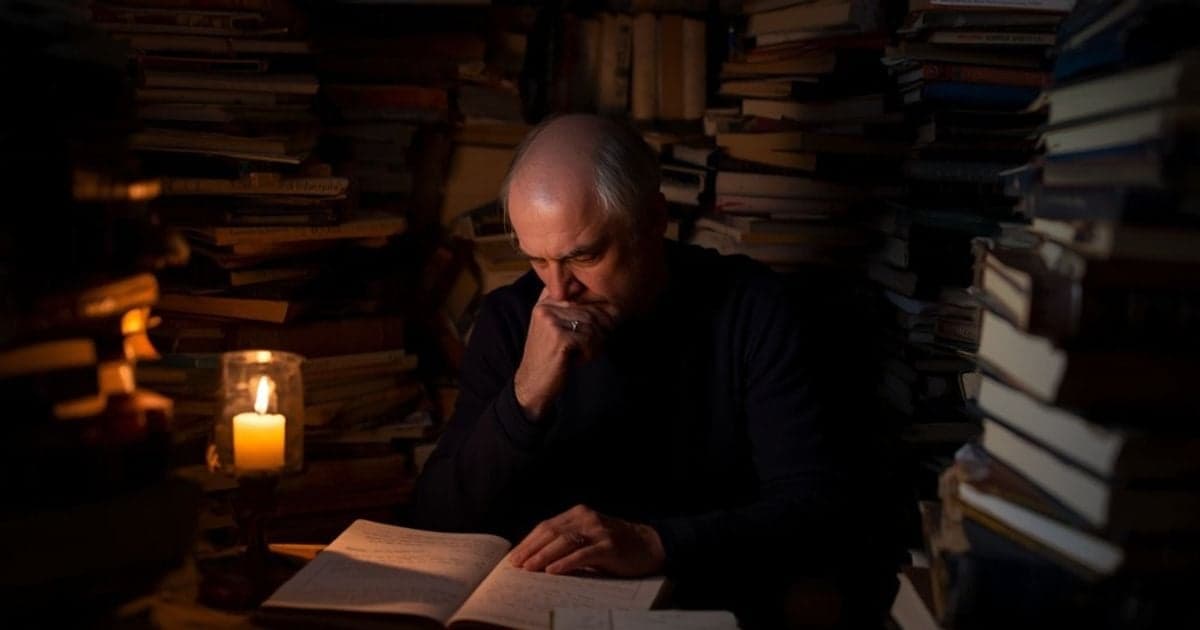
A Laceration In The Cottage He certainly was really grieved in a way he had seldom been before. He had rushed in like a fool, and meddled in what? In a love‐affair. “But what do I know about it? What can I tell about such things?” he repeated to himself for the hundredth time, flushing crimson. “Oh, being ashamed would be nothing; shame is only the punishment I deserve. The trouble is I shall certainly have caused more unhappiness.... And Father Zossima sent me to reconcile and bring them together. Is this the way to bring them together?” Then he…
Public-domain chapter text, formatted for reading.
Master this chapter. Complete your experience
Purchase the complete book to access all chapters and support classic literature
Available in paperback, hardcover, and e-book formats
Now let's explore the literary elements.
Key Quotes & Analysis
"shame is only the punishment I deserve."
Context: Walking to Lake Street after the drawing-room scene
He worries about harm done, not his own embarrassment.
In Today's Words:
Alyosha tells himself that shame would be nothing compared to the real problem: he may have made people more unhappy. Father Zossima sent him to reconcile, and he feels he did the opposite. When you mess up while trying to help, the useful question is not how you look but who got hurt.
"I bit his finger just now.”"
Context: Revealing himself behind the curtain in the cottage
The mystery from the ditch resolves in one plain sentence.
In Today's Words:
Ilusha admits from behind the curtain that he bit Alyosha's finger just now. The boy who seemed a monster is the captain's sick son, defending his father. Before you punish a child's violence, ask what adult humiliation they were answering with their teeth, and whether punishment would only repeat the shame cycle.
"would you like me to chop off my four fingers with this knife here before your eyes to"
Context: Refusing to punish Ilusha when Alyosha mentions the bite
Pride turns self-harm into a bargaining chip.
In Today's Words:
Snegiryov asks whether Alyosha wants him to chop off four fingers with a knife instead of thrashing Ilusha. It is grotesque theater born of desperation: he would mutilate himself before letting his child be shamed further. People who have been stripped of status sometimes offer absurd sacrifices to prove they still have honor.
"he would even go down on his knees.” “"
Context: Promising Dmitri will make a public apology
Respect offered openly reaches deeper than money.
In Today's Words:
Alyosha tells Snegiryov that Dmitri would kneel in the tavern or marketplace if asked. The captain is pierced to the heart, touched to tears, because what he needed was not charity but public restoration of dignity. When you help someone poor, ask whether the wound is hunger or humiliation, and whether your offer repairs the insult or only the ledger.
Thematic Threads
Class
In This Chapter
Poverty forces the Snegiryov family into a cramped cottage where dignity must be maintained through defiance rather than achievement
Development
Deepens from earlier class tensions to show how economic desperation affects family dynamics and self-worth
In Your Life:
You might see this when financial stress makes family members defensive about their worth and contributions
Pride
In This Chapter
Captain Snegiryov's manic defensiveness masks his desperate need to be seen as worthy despite his fallen circumstances
Development
Introduced here as wounded pride rather than the arrogant pride seen in other characters
In Your Life:
You might recognize this when someone rejects help they clearly need because accepting feels like admitting failure
Family Loyalty
In This Chapter
Ilusha attacks Alyosha to defend his father's honor, showing how children absorb and act on family shame
Development
Introduced here, showing how family bonds intensify under external pressure
In Your Life:
You might see this when your children become protective of family struggles you thought you were hiding
Recognition
In This Chapter
Alyosha's offer of public apology addresses Snegiryov's core need to be seen as deserving respect
Development
Builds on Alyosha's growing understanding of how to truly help people rather than just offering solutions
In Your Life:
You might need this when helping someone who seems to reject reasonable assistance for unclear reasons
Survival
In This Chapter
The family clings to dignity and each other as their only remaining resources in desperate circumstances
Development
Introduced here as psychological survival rather than just physical survival
In Your Life:
You might experience this when facing circumstances that threaten not just your security but your sense of self-worth
You now have the context. Time to form your own thoughts.
Discussion Questions
This is not a test. Five prompts guide you through the chapter, from how it opens to how it closes, so you notice context and rhythm rather than facts to memorize. Sit with each question in your own words. When you see "One way to read it," treat it as a starting point, not the only answer.
- 1
Why does Alyosha feel shame is only what he deserves as he walks to Lake Street?
analysis • surfaceOne way to read it
Still burning from the drawing-room disaster, Alyosha carries Katerina's money to Lake Street while Zossima's death weighs on him. He blamed himself, chased Ivan in vain, and failed to soften Katerina's theater. Shame feels earned because he spoke truth that exploded the room rather than keeping peace.
- 2
Why does Ilusha admit he bit Alyosha from behind the curtain?
analysis • mediumOne way to read it
Ilusha is the boy who bit Alyosha on Mihailovsky Street, hiding behind the curtain in the captain's cottage. He admits the attack because Alyosha's non-retaliation and question about wrong done pierced him. Confession is loyalty to a father humiliated by Dmitri, not random malice.
- 3
Why does Captain Snegiryov offer to chop off his four fingers?
application • mediumOne way to read it
The frantic half-drunk captain offers to chop off four fingers rather than thrash his son for biting Alyosha. The gesture is theatrical poverty and pride at once: extreme self-punishment to show honor without accepting charity. He performs sacrifice because dignity feels more precious than comfort.
- 4
What changes when Alyosha says Dmitri would kneel in the marketplace?
application • deepOne way to read it
Alyosha promises Dmitri will apologize publicly and even kneel in the marketplace if required. Snegiryov is pierced to the heart; the mad wife sobs and the children snap at their father's performance. A concrete offer of humiliation from the offender meets the captain's need for visible justice, not money alone.
- 5
When have you seen someone reject help because it felt like an insult to their worth?
reflection • deepOne way to read it
Snegiryov would rather mutilate himself than look bought or pitied without restitution. People refuse aid that arrives without respect, or that treats them as cases rather than persons. Help lands only when it acknowledges what was taken from them, which is why Alyosha leads with Dmitri's kneeling, not roubles.
Critical Thinking Exercise
Dignity Mapping Exercise
Think of someone in your life who seems defensive or difficult to help. Create a simple map: What external losses have they experienced? What internal dignity are they protecting? What would honoring that dignity look like in practice? This isn't about fixing them, but understanding what they're really fighting for.
Consider:
- •Look beyond the surface behavior to the underlying need for respect
- •Consider how their past losses might be shaping their current reactions
- •Think about small ways to acknowledge their worth while addressing practical needs
Journaling Prompt
Write about a time when you felt your dignity was under attack. How did you respond? What would have helped you feel respected while still addressing the situation?
Coming Up Next...
Chapter 31: Pride's Price in the Open Air
Captain Snegiryov leads Alyosha outside for a private conversation that will reveal the true depth of his family's crisis and the impossible choice he faces between pride and survival.