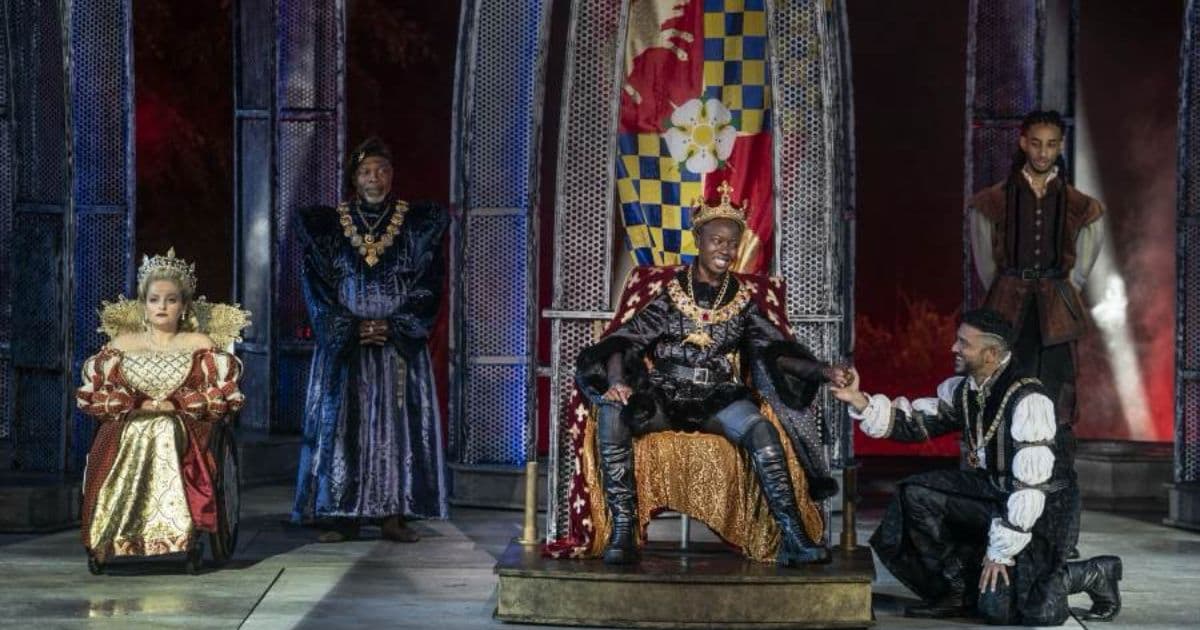
Chapter 24
Act V, Scene 4: A Horse, My Kingdom for a Horse
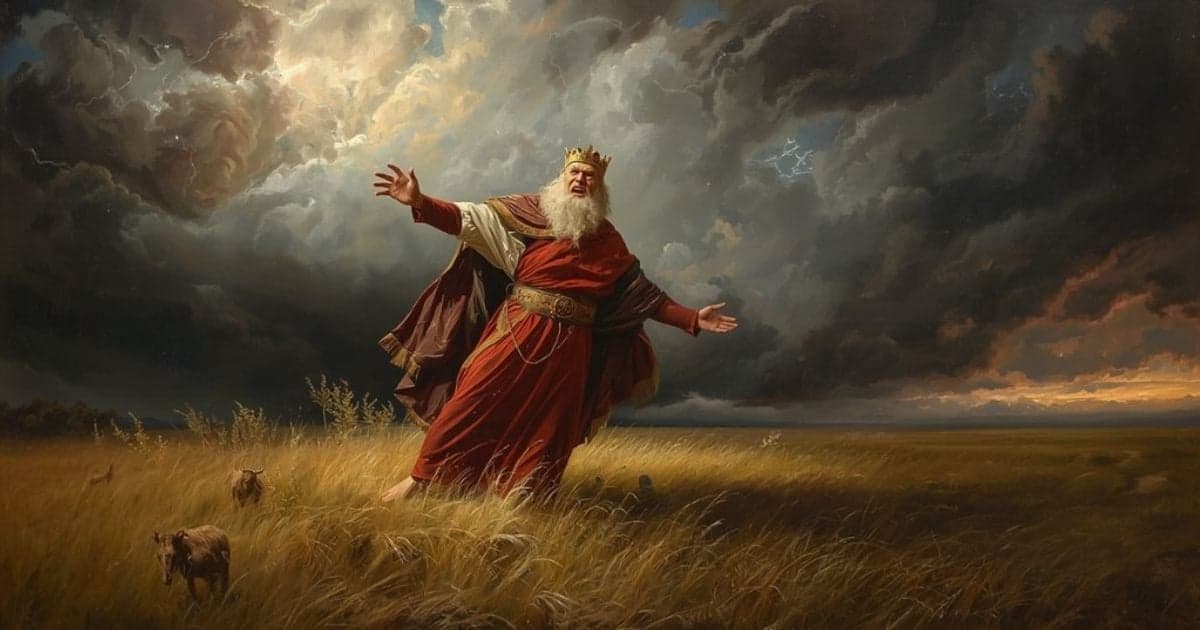
Rich. A Horse, a Horse, my Kingdome for a Horse
Cates. Withdraw my Lord, Ile helpe you to a Horse
Rich. Slaue, I haue set my life vpon a cast,
And I will stand the hazard of the Dye:
I thinke there be sixe Richmonds in the field,
Fiue haue I slain to day, in stead of him.
A Horse, a Horse, my Kingdome for a Horse.
Alarum, Enter Richard and Richmond, they fight, Richard is
slaine.
Retreat, and Flourish. Enter Richmond, Derby bearing the Crowne,
with
diuers other Lords.
Master this chapter. Complete your experience
Purchase the complete book to access all chapters and support classic literature

Available in paperback, hardcover, and e-book formats
Now let's explore the literary elements.
Key Quotes & Analysis
"A Horse, a Horse, my Kingdome for a Horse"
Context: Richard's first cry when unhorsed in battle
Richard names the price of mobility after losing horse advantage. The kingdom becomes currency for escape.
In Today's Words:
Richard cries a horse, a horse, my kingdom for a horse when he needs mobility and has none. He offers the whole prize for the one asset that would let him keep fighting. When someone trades their title for a basic tool at the kill point, the ledger is already upside down.
"Withdraw my Lord, Ile helpe you to a Horse"
Context: Catesby answering Richard's horse cry with a practical exit
Catesby offers rescue. Richard will refuse it to stand the hazard.
In Today's Words:
Catesby tells Richard to withdraw and says he will help him to a horse. That is the last practical exit on the field. When an aide offers withdrawal and transport and the leader answers with slave and cast of the die, rescue was never the plan they wanted.
"Slaue, I haue set my life vpon a cast, And I will stand the hazard of the Dye: I thinke there be sixe Richmonds in the field, Fiue haue I slain to day, in stead of him."
Context: Richard refusing Catesby and naming his gamble
Richard doubles down, mis-counting Richmonds while insisting on the die. Pride replaces logistics.
In Today's Words:
Richard calls Catesby slave, says he has set his life on a cast and will stand the hazard of the die, and claims five men he killed today were not Richmond. He chooses the gamble over the horse. When a leader rejects rescue and brags about wrong targets, the duel is already chosen.
"A Horse, a Horse, my Kingdome for a Horse."
Context: Richard's closing cry before he and Richmond fight
The same need returns after the cast speech. Mobility still missing, kingdom still offered.
In Today's Words:
Richard repeats a horse, a horse, my kingdom for a horse after refusing help and naming the cast. The need did not change because the speech did. When the same desperate ask returns right before the final clash, the problem was never words; it was position on the field.
Thematic Threads
Rescue Refused
In This Chapter
Catesby offers withdraw and a horse; Richard answers with cast and hazard
Development
The last practical exit is rejected before the duel
In Your Life:
When help is offered at the crisis point and the answer is insult plus double-or-nothing, the fight was chosen over survival.
Crown Before Speech
In This Chapter
Derby bears the crown to Richmond after Richard is slain
Development
Power transfers in stage action before Richmond names the day
In Your Life:
When the title moves in the room before the victory speech, the outcome was already decided in the clash.
You now have the context. Time to form your own thoughts.
Discussion Questions
This is not a test. Five prompts guide you through the chapter, from how it opens to how it closes, so you notice context and rhythm rather than facts to memorize. Sit with each question in your own words. When you see "One way to read it," treat it as a starting point, not the only answer.
- 1
Why does Richard offer his kingdom for a horse twice in the same scene?
analysis • surfaceOne way to read it
Unhorsed in battle, Richard trades his entire kingdom for mobility. Repeating the cry shows desperation when position, not rhetoric, has collapsed—without a horse he cannot reach Richmond or escape.
- 2
What changes when Richard refuses Catesby's withdrawal and names the cast of the die?
analysis • mediumOne way to read it
Catesby offers a horse and rescue; Richard calls him slave and says he has set his life upon a cast and will stand the hazard of the die. He rejects the last exit and gambles everything on one confrontation.
- 3
How does claiming five Richmonds slain instead of him shape Richard's gamble?
application • mediumOne way to read it
Richard says there be six Richmonds in the field and five he hath slain today instead of him. Denial and substitution let him fight on as if victory were already partially achieved.
- 4
Why does the chapter end with Derby bearing the crown rather than Richmond's victory speech?
application • deepOne way to read it
Richard and Richmond fight; Richard is slain with no speeches after the blow. Derby enters bearing the crown while Richmond has not yet spoken—power transfers as fact before it is narrated.
- 5
What does the silence after Richard is slain add to the scene?
reflection • deepOne way to read it
No commentary follows the killing blow. Violence ends the argument; the stage note carries the turn from tyranny to succession without giving Richard a final rhetorical victory.
Critical Thinking Exercise
The Cast Gamble Analysis
Richard trades a kingdom for a horse, refuses rescue, fights, and dies while the crown passes. Think of a time when someone rejected the last exit and gambled everything at the end.
Consider:
- •How does kingdom for a horse differ from cast of the die?
- •Why refuse Catesby's horse after asking for one?
- •What does crown in motion mean before the speech?
- •When does repeated desperation show position, not rhetoric?
Journaling Prompt
Write about a cast gamble you witnessed. Was rescue offered? What moved first, the title or the announcement?
Coming Up Next...
Chapter 25: Act V, Scene 5: Richmond's Peace Settlement
Richmond says the day is ours and the bloody dog is dead, asks if young George Stanley lives, pardons fled soldiers, and vows to unite the white rose and the red.