Chapter 10
Act III, Scene 2: Hastings' Warning
Scena Secunda. Enter a Messenger to the Doore of Hastings. Mess. My Lord, my Lord Hast. Who knockes? Mess. One from the Lord Stanley Hast. What is't a Clocke? Mess. Vpon the stroke of foure. Enter Lord Hastings. Hast. Cannot my Lord Stanley sleepe these tedious Nights? Mess. So it appeares, by that I haue to say: First, he commends him to your Noble selfe Hast. What then? Mess. Then certifies your Lordship, that this Night He dreamt, the Bore had rased off his Helme: Besides, he sayes there are two Councels kept; And that may be determin'd at the…
Public-domain chapter text, formatted for reading.
Master this chapter. Complete your experience
Purchase the complete book to access all chapters and support classic literature
Available in paperback, hardcover, and e-book formats
Now let's explore the literary elements.
Key Quotes & Analysis
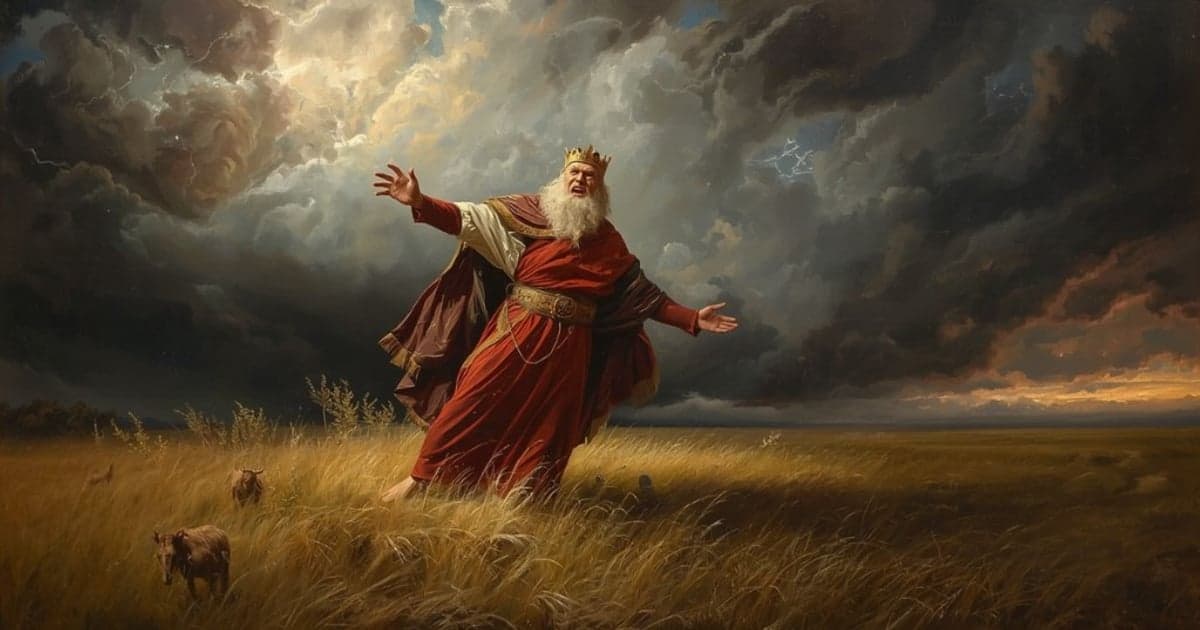
"To flye the Bore, before the Bore pursues, Were to incense the Bore to follow vs,"
Context: Hastings dismissing Stanley's boar dream and urging him to the Tower
Hastings turns the warning into cowardice and invites the predator closer. Running from the bore would only make it chase, he says, so they should walk to the Tower together.
In Today's Words:
Hastings says fleeing the boar before it pursues would only provoke it to follow. That is how confident people dismiss early warnings: they call caution fear and walk toward the danger to prove bravery. When someone reframes your exit as weakness, check whether they are leading you to the room where the trap closes.
"Ile haue this Crown of mine cut fro[m] my shoulders, Before Ile see the Crowne so foule mis-plac'd:"
Context: Hastings answering Catesby's probe about Richard wearing the crown
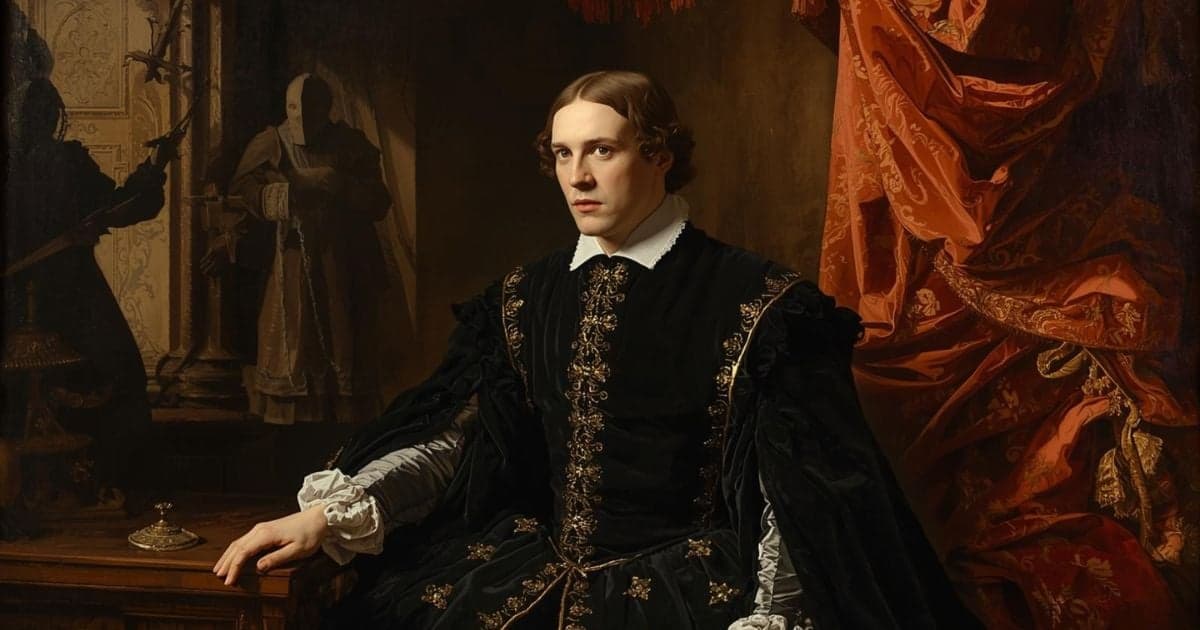
Hastings declares absolute loyalty to the true line, which makes his later trust in Richard even more tragic. He knows the stakes and still misreads the man testing him.
In Today's Words:
Hastings says he would lose his head before he would see the crown misplaced on Richard. The line is honorable and precise, which makes the trap crueler. When you tell a tester exactly where your line is, assume the next move is designed to cross it without you noticing until the door locks.
"'Tis a vile thing to dye, my gracious Lord, When men are vnprepar'd, and looke not for it"
Context: Catesby responding after Hastings refuses to back Richard for the crown
The audience hears the threat Hastings treats as general moralizing. Catesby is describing Hastings's own afternoon.
In Today's Words:
Catesby says it is a vile thing to die when men are unprepared and not looking for it. Hastings hears philosophy; the audience hears a schedule set for afternoon. When a loyal messenger delivers a line about dying unaware, treat it as timestamped advice, not decoration or small talk.
"And Supper too, although thou know'st it not."
Context: Buckingham's aside after Hastings says he stays dinner at the Tower
The joke lands only for the audience. Hastings thinks he controls the timetable; Buckingham already knows the meal will be his last.
In Today's Words:
Hastings says he is staying for dinner at the Tower; Buckingham adds he will stay for supper too, though Hastings does not know it yet. The aside is the whole scene in one sentence: confidence on stage, execution already booked. When someone jokes about your timeline and you laugh, ask who wrote the calendar.
Thematic Threads
Past Friendship as Blind Spot
In This Chapter
Hastings trusts Richard and Catesby because of shared history and shared council seats, dismissing Stanley's dream as shallow
Development
Introduced here as the flaw that turns honorable loyalty into a walk toward the Tower
In Your Life:
When you dismiss a warning because someone was always on your side before, ask what changed in the room, not in your memory.
Warnings the Audience Hears
In This Chapter
Catesby and Buckingham speak threats and timelines Hastings treats as jokes or morals
Development
Dramatic irony peaks as Hastings names Pomfret deaths proof of his safety
In Your Life:
If allies joke about your dinner turning into supper, or mention unprepared death, log the line instead of laughing it off.
You now have the context. Time to form your own thoughts.
Discussion Questions
This is not a test. Five prompts guide you through the chapter, from how it opens to how it closes, so you notice context and rhythm rather than facts to memorize. Sit with each question in your own words. When you see "One way to read it," treat it as a starting point, not the only answer.
- 1
Why does Hastings tell Stanley that fleeing the boar would only make it pursue them?
analysis • surfaceOne way to read it
Hastings believes visibility and closeness to Richard protect him better than flight. He reads Stanley's dream as reason to stay near power, not reason to leave it.
- 2
What does Catesby learn from Hastings's refusal to crown Richard, and how does his next line function as a threat?
analysis • mediumOne way to read it
Hastings swears he would lose his head first, which tells Catesby he is an enemy. The reply that it is a vile thing to die unprepared marks Hastings for the execution already planned.
- 3
How does Stanley's Pomfret example work as a warning Hastings converts into proof of his own safety?
application • mediumOne way to read it
Stanley points to lords who rode out jocund and were beheaded by evening. Hastings treats their deaths as proof his own closeness to Richard and Buckingham shields him, inverting the warning.
- 4
Why is Buckingham's 'supper too' aside the structural climax of the scene?
application • deepOne way to read it
Hastings announces he stays dinner at the Tower while Buckingham already knows he will stay supper too, meaning die. Loyalty is scheduled for execution before Hastings understands the menu.
- 5
When have you treated a friend's warning as overreaction because you trusted someone else in the room?
reflection • deepOne way to read it
Past friendship blinded Hastings to pattern warnings Stanley and Catesby offered. Relationship history can feel like safety when it is actually the reason you ignore evidence.
Critical Thinking Exercise
The Trust Trap Analysis
Hastings trusts Richard because of their past relationship, ignoring multiple warnings. Think of a time when you or someone you know trusted someone because of past relationship, only to be betrayed. Analyze what made the trust misplaced and what warning signs were ignored.
Consider:
- •When should past relationships protect you? When should they not?
- •How do you distinguish between healthy trust and dangerous blind spots?
- •What warning signs did Hastings ignore? What warning signs do people typically ignore?
- •How can you maintain trust while staying alert to manipulation?
- •What's the difference between being cautious and being paranoid?
Journaling Prompt
Write about a time when you trusted someone because of past relationship, only to discover they had changed or were manipulating you. What warning signs did you ignore? How can you balance trust with awareness?
Coming Up Next...
Chapter 11: Act III, Scenes 3-4: Pomfret and Hastings' Execution
Rivers, Grey, and Vaughan die at Pomfret; at the Tower council Richard condemns Hastings without trial and displays his severed head to the Mayor At Pomfret, Ratcliffe leads Rivers, Grey, and Vaughan to execution. Rivers names the castle a bloody prison where Richard II was hacked to death..