Chapter 13
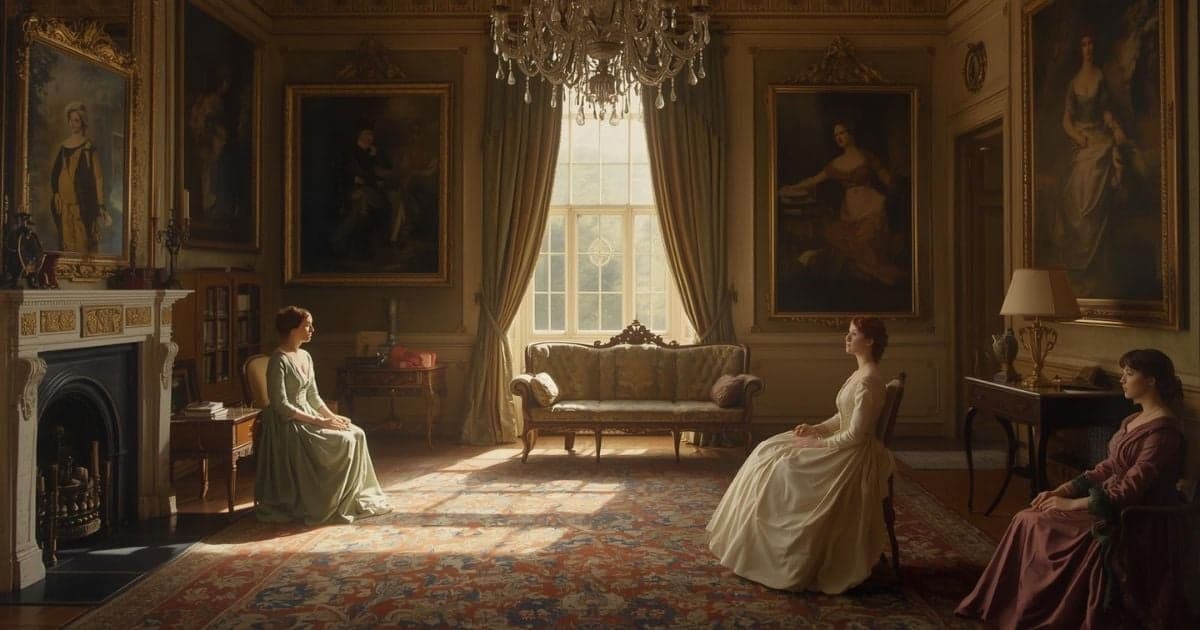
The law that passes your home to a male heir stays abstract until a...
[Illustration] “I hope, my dear,” said Mr. Bennet to his wife, as they were at breakfast the next morning, “that you have ordered a good dinner to-day, because I have reason to expect an addition to our family party.” “Who do you mean, my dear? I know of nobody that is coming, I am sure, unless Charlotte Lucas should happen to call in; and I hope my dinners are good enough for her. I do not believe she often sees such at home.” “The person of whom I speak is a gentleman and a stranger.” Mrs. Bennet’s eyes sparkled. “A…
Public-domain chapter text, formatted for reading.
Master this chapter. Complete your experience
Purchase the complete book to access all chapters and support classic literature
Available in paperback, hardcover, and e-book formats
Now let's explore the literary elements.
Key Quotes & Analysis
"There is a mixture of servility and self-importance in his letter which promises well"
Context: After the family hears Mr. Collins's letter read aloud
Mr. Bennet treats the heir as entertainment, not a threat; comedy will blind him to consequences.
In Today's Words:
That email hits the perfect sweet spot of being both desperate to please and totally full of himself. Like when someone applies for a senior role but spends half their cover letter apologizing for their experience. You know it's going to be pure entertainment watching this unfold, even if it ends badly for everyone involved.
"And what can he mean by apologizing for being next in the entail? We cannot suppose he would help it, if he could"
Context: Reacting to Collins's letter before he arrives
Elizabeth names the hollow apology: he keeps the advantage while performing regret.
In Today's Words:
Why is he even apologizing for inheriting our family's assets? It's not like he chose the legal system or could change it if he wanted to. Classic corporate speak where someone acknowledges a problem they're actively benefiting from while pretending they feel bad about it. Pure performative guilt that changes absolutely nothing.
"iled.” “I am very sensible, madam, of the hardship to my fair cousins, and could say much on the subject, but that I am cautious of appearing forward and precipitate"
Context: At his first visit, speaking to Mrs. Bennet about the entail
False delicacy: he raises the entail while pretending not to hurry toward marriage offers.
In Today's Words:
He's basically saying he totally understands how unfair this inheritance situation is for us, but then immediately backs away from actually discussing solutions because he doesn't want to seem pushy. It's like a startup founder acknowledging worker exploitation while carefully avoiding any real commitment to change. All sympathy, zero action or accountability.
"ight following, which I can do without any inconvenience, as Lady Catherine is far from objecting to my occasional absence on a Sunday, provided that some other clergyman is engaged to do the duty of the day"
Context: From the second half of the chapter
This line anchors the chapter's closing movement and shows how social pressure and private feeling collide in the scene.
In Today's Words:
In today's language, the passage says: At four o'clock, therefore, we may expect this peace-making gentleman, Readers still recognize the same dynamic when pride, strategy, or family pressure turns a private moment into public consequence. The pattern still shows up in offices, families, and neighborhoods today, where the same pressure narrows what people can see
Thematic Threads
Entailment made personal
In This Chapter
Collins's letter and heirship at Longbourn
Development
Drives Mrs. Bennet's panic and Charlotte's later choice
In Your Life:
When has a legal rule become a named person in your family?
Patronage and servility
In This Chapter
Collins's praise of Lady Catherine de Bourgh
Development
Introduces de Bourgh world
In Your Life:
How do you read someone who flatters a powerful patron?
Marriage as estate strategy
In This Chapter
Hints that the daughters will be well disposed of in marriage
Development
Collins will soon choose a wife
In Your Life:
When have visits clearly aimed at sizing up partners?
Father's amusement
In This Chapter
Mr. Bennet enjoys Collins as entertainment
Development
His negligence has consequences
In Your Life:
When has a parent treated a serious matter as a joke?
House as prize
In This Chapter
Collins admires rooms he may inherit
Development
Class anxiety in domestic space
In Your Life:
When has a guest acted like they already owned the place?
You now have the context. Time to form your own thoughts.
Discussion Questions
This is not a test. Five prompts guide you through the chapter, from how it opens to how it closes, so you notice context and rhythm rather than facts to memorize. Sit with each question in your own words. When you see "One way to read it," treat it as a starting point, not the only answer.
- 1
How does Mr. Bennet reveal Mr. Collins's letter, and what is Mrs. Bennet's first reaction?
analysis • surfaceOne way to read it
At breakfast he teases that a gentleman stranger is coming to dinner. Mrs. Bennet assumes Mr. Bingley and orders fish before learning the visitor is a cousin she has never seen, Mr. Collins, who may turn them out of Longbourn when Mr. Bennet dies.
- 2
What does Mr. Collins say in his letter about Lady Catherine, the entail, and his planned visit?
analysis • mediumOne way to read it
He offers an olive branch despite being next in the entail, praises Lady Catherine's patronage and the Hunsford living, and proposes to visit from Monday, November 18th through the following Saturday while performing parish duties elsewhere on Sundays.
- 3
Where have you seen someone apologize for benefiting from a system they cannot change, while still acting as if the apology earned goodwill?
application • mediumOne way to read it
Think of an heir acknowledging unfair inheritance, a hire who got the job through connections, or anyone who notes the harm done to you while continuing to enjoy the advantage that caused it.
- 4
Elizabeth is struck by Collins's extraordinary deference to Lady Catherine and his plan to christen, marry, and bury parishioners on demand. Why does Mr. Bennet hope he will prove a fool?
application • deepOne way to read it
Bennet reads servility mixed with self-importance in the letter and expects entertainment. Collins's pompous style promises the kind of absurdity Bennet collects, especially if Lady Catherine's name can draw him out at dinner.
- 5
What does Mr. Collins's praise of the house and dining room as if they were already his future property reveal about how the entail feels in person?
reflection • deepOne way to read it
The legal fact becomes emotional when a living heir admires Longbourn's furniture and cookery as his own. Mrs. Bennet's composure toward him shows how quickly a marriageable cousin can soften hatred of the man who will inherit her daughters' home.
Critical Thinking Exercise
Apology from the Beneficiary
Think of someone who benefits from a rule or will that disadvantages you, and offered friendly words or a visit. Did their manner change how the family treated them? What felt sincere versus strategic?
Consider:
- •Did anyone treat the situation as comedy while others felt fear?
- •Was property or position discussed with false delicacy?
- •Did praise of your home feel like inspection before ownership?
Coming Up Next...
Chapter 14: Chapter XIV
Over after-dinner wine Mr. Bennet draws Mr. Collins out, and the clergyman's account of Lady Catherine, his humility, and his plans for a wife will confirm every suspicion. The next chapter turns that pressure into a scene you cannot read only as background..