Chapter 14
The person who speaks in a powerful patron's voice often mistakes t...
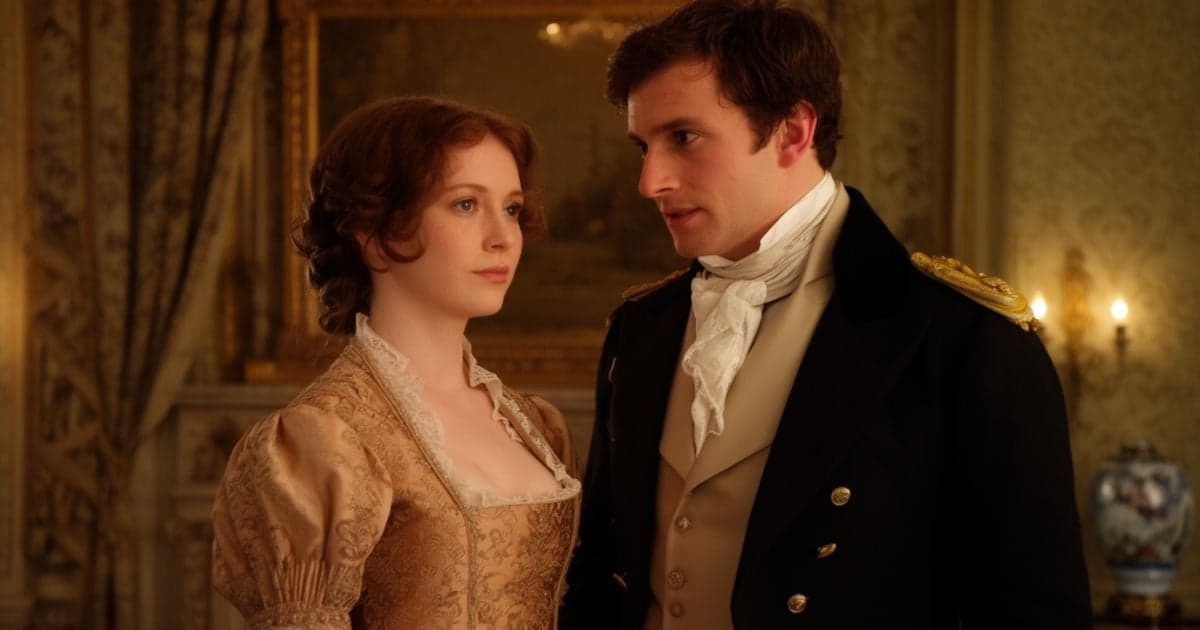
[Illustration] During dinner, Mr. Bennet scarcely spoke at all; but when the servants were withdrawn, he thought it time to have some conversation with his guest, and therefore started a subject in which he expected him to shine, by observing that he seemed very fortunate in his patroness. Lady Catherine de Bourgh’s attention to his wishes, and consideration for his comfort, appeared very remarkable. Mr. Bennet could not have chosen better. Mr. Collins was eloquent in her praise. The subject elevated him to more than usual solemnity of manner; and with a most important aspect he protested that he had…
Public-domain chapter text, formatted for reading.
Master this chapter. Complete your experience
Purchase the complete book to access all chapters and support classic literature
Available in paperback, hardcover, and e-book formats
Now let's explore the literary elements.
Key Quotes & Analysis
"May I ask whether these pleasing attentions proceed from the impulse of the moment, or are the result of previous study"
Context: After Collins explains his compliments to Lady Catherine and her daughter
Dry wit that exposes rehearsed flattery while pretending to praise Collins's talent.
In Today's Words:
Did you rehearse these compliments, or does brown-nosing come naturally? Your flattery sounds like a corporate presentation with perfectly polished talking points. Genuine praise feels different from this scripted performance. It's like listening to someone recite memorized pickup lines at a networking event when authentic conversation would actually impress people.
"Lady Catherine was reckoned proud by many people, he knew, but _he_ had never seen anything but affability in her"
Context: After dinner, praising his patroness to the Bennets
Collins hears deference as kindness because it flatters him; pride becomes affability at close range.
In Today's Words:
Everyone says the CEO is arrogant, but she's always been nice to me personally. When you're receiving special treatment from someone in power, it's easy to mistake their conditional kindness for genuine character. Like when your demanding boss is suddenly friendly because they need something from you.
"id aside his book, and said,-- “I have often observed how little young ladies are interested by books of a serious stamp, though written solely for their benefit"
Context: After Lydia interrupts his reading of Fordyce's Sermons
Moral vanity on display: he scolds the room for boredom with instruction he chose to perform.
In Today's Words:
I've observed that young women today seem disinterested in serious professional development content, despite it being created to help them advance. It's that condescending energy where someone assumes others are too shallow to appreciate their insights. Like colleagues who feel offended when people ignore their unsolicited advice.
"and it is happy for you that you possess the talent of flattering with delicacy. May I ask whether these pleasing attentions proceed from the impulse of the moment, or are the result of previous study"
Context: From the second half of the chapter
This line anchors the chapter's closing movement and shows how social pressure and private feeling collide in the scene.
In Today's Words:
In today's language, the passage says: and it is happy for you that you possess the talent of flattering with delicacy. May I ask whether these pleasing attentions proceed from the impulse of the mom Readers still recognize the same dynamic when pride, strategy, or family pressure turns a private moment into public consequence.
Thematic Threads
Borrowed authority
In This Chapter
Collins's identity is Lady Catherine's opinion of him
Development
Extends his letter's servility into live monologue
In Your Life:
Who do you know who speaks in someone else's voice about power?
Father's cruel amusement
In This Chapter
Mr. Bennet provokes Collins for private entertainment
Development
His negligence has a social cost for daughters
In Your Life:
When has humor at someone's expense been easier than stopping the performance?
Marriage and patronage
In This Chapter
Lady Catherine advised Collins to marry; Mrs. Bennet probes Miss de Bourgh
Development
Sets up Collins's choice of a wife
In Your Life:
When has advice from a powerful third party shaped someone's dating behavior?
Moral performance
In This Chapter
Refuses novels, reads Fordyce, scolds Lydia
Development
Hypocrisy without self-awareness
In Your Life:
Where have you seen seriousness performed for show?
Militia versus morality
In This Chapter
Lydia's officer news versus Collins's sermons
Development
Two worlds in one drawing room
In Your Life:
When has the room cared about completely different things?
You now have the context. Time to form your own thoughts.
Discussion Questions
This is not a test. Five prompts guide you through the chapter, from how it opens to how it closes, so you notice context and rhythm rather than facts to memorize. Sit with each question in your own words. When you see "One way to read it," treat it as a starting point, not the only answer.
- 1
How does Mr. Bennet draw Mr. Collins out after dinner, and what does Collins say about Lady Catherine?
analysis • surfaceOne way to read it
Bennet praises Collins's fortunate patroness, and Collins becomes solemnly eloquent about Lady Catherine's affability, sermon approval, Rosings invitations, quadrille, marriage advice, and even her shelf suggestions at his parsonage.
- 2
What does Mr. Bennet ask about Collins's flattering compliments, and how does Collins answer?
analysis • mediumOne way to read it
Bennet asks whether the pleasing attentions proceed from impulse or previous study. Collins says they arise chiefly from what is passing at the time, though he sometimes arranges elegant compliments in advance and tries to give them an unstudied air.
- 3
When have you heard someone describe a powerful person's rudeness as kindness because the rudeness was not aimed at them?
application • mediumOne way to read it
Think of employees calling a difficult boss gracious because she smiles at them, fans defending a celebrity who was cruel to someone else, or anyone who confuses not being the target with proof of good character.
- 4
Mr. Collins refuses a circulating-library novel and chooses Fordyce's Sermons instead. What does Lydia's interruption show about the gap between his performance and the room he is addressing?
application • deepOne way to read it
Collins wants to instruct young ladies through serious books, but Lydia cares about militia gossip, not sermons. His offended lecture shows he is performing clerical authority for an audience that never asked for it.
- 5
Why is Mr. Bennet glad to end the evening with backgammon rather than more conversation or reading?
reflection • deepOne way to read it
Collins has fulfilled Bennet's hope of absurdity, but a full dose is enough. Backgammon lets Bennet enjoy his guest at a safe distance after using him for entertainment without requiring further eloquence on Lady Catherine.
Critical Thinking Exercise
The Borrowed-Authority Dinner
Recall a meal where someone dominated talk with a boss, client, or patron they name-dropped. Who baited them, who was trapped, and how long until the room found an exit?
Consider:
- •Was the talk spontaneous or clearly rehearsed flattery?
- •Did anyone enjoy the performance as comedy while others had to endure it?
- •What subject change or activity finally ended the monologue?
Coming Up Next...
Chapter 15: Chapter XV
The morning after, Mr. Bennet sizes up his cousin in plain terms, and a walk to Meryton with Charlotte Lucas will set Collins's matrimonial scheme in motion. Mr. Collins dominates the opening movement. The next chapter turns that pressure into a scene you cannot read only as background..