Chapter 20
The Honeymoon's Bitter Reality
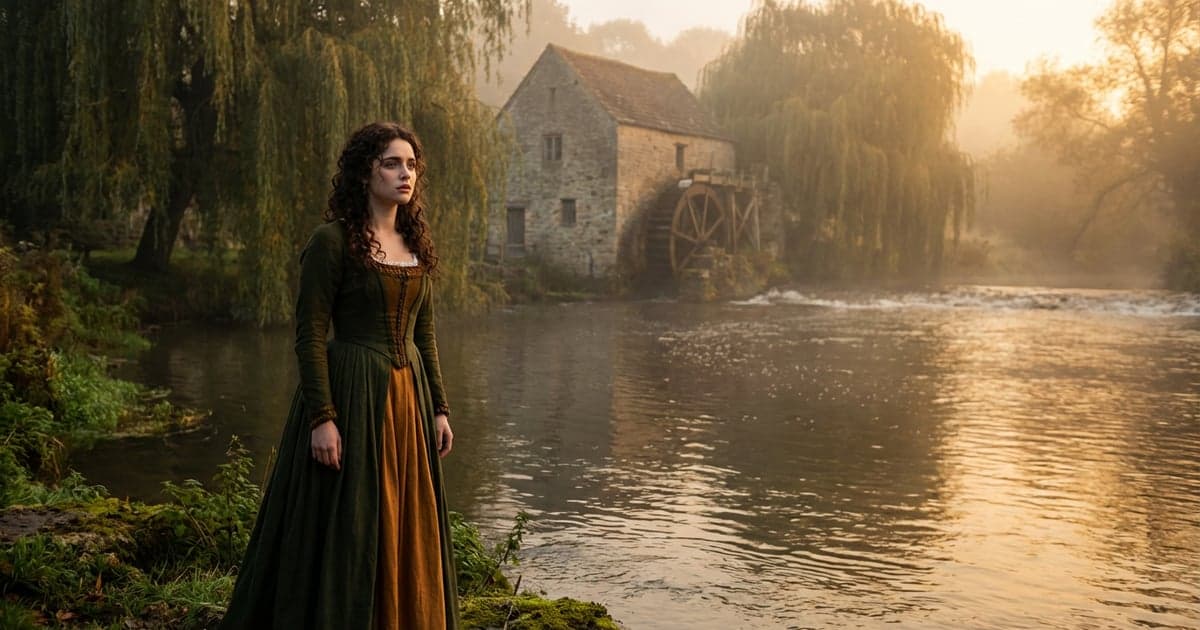
“A child forsaken, waking suddenly, Whose gaze afeard on all things round doth rove, And seeth only that it cannot see The meeting eyes of love.” Two hours later, Dorothea was seated in an inner room or boudoir of a handsome apartment in the Via Sistina. I am sorry to add that she was sobbing bitterly, with such abandonment to this relief of an oppressed heart as a woman habitually controlled by pride on her own account and thoughtfulness for others will sometimes allow herself when she feels securely alone. And Mr. Casaubon was certain to remain away for some…
Public-domain chapter text, formatted for reading.
Master this chapter. Complete your experience
Purchase the complete book to access all chapters and support classic literature
Available in paperback, hardcover, and e-book formats
Now let's explore the literary elements.
Key Quotes & Analysis
"the light had changed, and you cannot find the pearly dawn at noonday."
Context: Explaining Dorothea's disillusionment despite Casaubon's unchanged learning
Eliot's metaphor for marriage after courtship: the same person, different hour, different sky. Knowledge remains; illumination does not.
In Today's Words:
The narrator says the light changed and you cannot find dawn at noon. Casaubon is the same scholar; Dorothea no longer sees him with courtship's sunrise. When a relationship's hour changes, stop blaming yourself for new eyes. Disappointment is often a calendar problem, not a moral failure in the person who notices.
"What was fresh to her mind was worn out to his"
Context: On their Roman sightseeing and conversation
The gap is temporal and moral. He acquits himself before ruins; she needs shared wonder and meets encyclopedic fatigue.
In Today's Words:
What thrilled her bored him because he had already spent the wonder. That is a common marital shock: one person arrives, the other has checked out. If only one of you is still discovering, name it before resentment does. Shared travel cannot fix unequal freshness; it only makes the gap scenic.
"See Rome as a bride, and live henceforth as a happy wife."
Context: His cheerful speech about ending their Roman stay
He edits the proverb with conscientious smile, unaware that his wife is weeping in the next room. Good intention without perception is its own cruelty.
In Today's Words:
Casaubon rewrote the proverb into see Rome as a bride and live happily, smiling as if tone could repair fact. People fix sentences when they cannot fix attention. Listen for reassurance that never asks what you feel. That proverb after solitary tears is warning, not comfort.
"you are exploring an enclosed basin."
Context: On marriage after the door-sill is crossed
The voyage metaphor turns claustrophobic. Expectation once sailed outward; now there is no sea in sight.
In Today's Words:
The narrator says marriage feels like a voyage that never reaches open sea, only a closed basin. Dorothea expected depth and found repetition. Before you call yourself ungrateful, check whether the container shrank, not your capacity. Many people feel trapped not because they chose badly but because the institution narrowed after the threshold.
Thematic Threads
Marriage Reality
In This Chapter
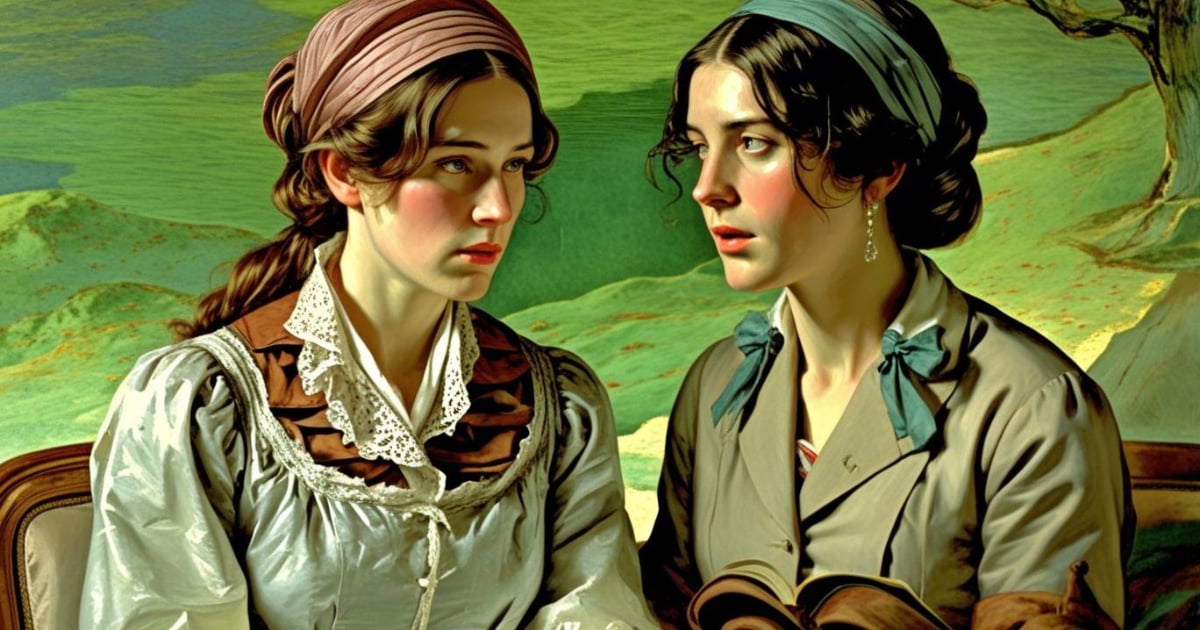
Dorothea's romantic vision of intellectual partnership crashes against Casaubon's need for quiet admiration
Development
Introduced here - the honeymoon period ends with brutal clarity about who they actually married
In Your Life:
You might recognize this when your excitement about a new relationship, job, or living situation suddenly turns to confusion and disappointment
Pride
In This Chapter
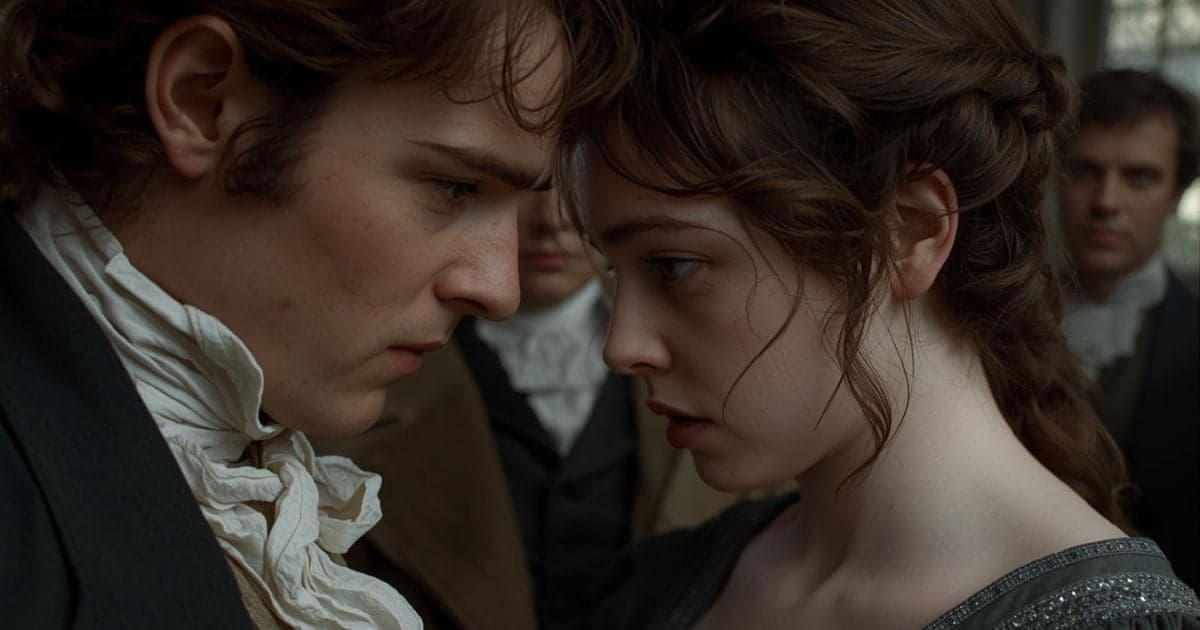
Both Dorothea and Casaubon respond to conflict with defensive anger rather than vulnerable honesty about their needs
Development
Building from earlier chapters where pride drove their initial attraction and decision to marry
In Your Life:
You see this when you'd rather be 'right' than understood, choosing arguments over admitting you might have misread a situation
Communication Failure
In This Chapter
Neither spouse can express their true needs - she begs him to finish his work, he accuses her of shallow judgment
Development
Introduced here - their first major fight reveals how poorly they understand each other
In Your Life:
This appears when you're fighting about surface issues while the real problem - unmet expectations - goes unspoken
Intellectual Isolation
In This Chapter
Casaubon's scholarly work becomes a barrier between them rather than a bridge, leaving Dorothea feeling shut out
Development
Developing from his earlier secretiveness about his research into active rejection of her interest
In Your Life:
You might experience this when someone uses their expertise or passion as a way to maintain distance rather than create connection
Identity Crisis
In This Chapter
Dorothea questions who she is and what she wants when her role as supportive intellectual partner is rejected
Development
Building from her earlier search for meaningful purpose into confusion about her place in marriage
In Your Life:
This hits when a major life change makes you question your sense of self and what you actually want versus what you thought you wanted
You now have the context. Time to form your own thoughts.
Discussion Questions
This is not a test. Five prompts guide you through the chapter, from how it opens to how it closes, so you notice context and rhythm rather than facts to memorize. Sit with each question in your own words. When you see "One way to read it," treat it as a starting point, not the only answer.
- 1
Why does Dorothea blame her own 'spiritual poverty' for her desolation rather than identifying specific problems with Casaubon or their marriage?
analysis • surfaceOne way to read it
Dorothea has been raised to see marriage as duty and self-improvement. When reality disappoints, she assumes the fault lies in her own inadequacy rather than questioning her husband's limitations.
- 2
How does Eliot's description of Rome as having 'marble eyes' that 'hold the monotonous light of an alien world' mirror Dorothea's experience with Casaubon?
analysis • mediumOne way to read it
Both Rome and Casaubon overwhelm Dorothea with their vast, cold scholarship. What should inspire her instead feels lifeless and alienating, lacking the warmth and connection she craved.
- 3
What modern situations echo Dorothea's discovery that her husband's 'large vistas and wide fresh air' have become 'anterooms and winding passages'?
application • mediumOne way to read it
Career changes that promise creativity but deliver bureaucracy, or relationships where someone's impressive public persona masks private emptiness and routine.
- 4
When should someone in Dorothea's position speak up about their partner's unfulfilled promises, and when should they stay silent?
application • deepOne way to read it
Speaking up matters when the issue affects both partners' growth and happiness. But timing and approach matter crucially - Dorothea's frustration made her words sound like accusations rather than invitations to collaborate.
- 5
Why does Casaubon react so angrily to Dorothea's suggestion about finishing his book, even though she offers to help?
reflection • deepOne way to read it
Her words force him to confront his own fears about his work's value and completion. Even supportive criticism can feel devastating when it echoes our deepest self-doubts.
Critical Thinking Exercise
Map Your Relationship Expectations
Think of an important relationship in your life (romantic partner, boss, friend, family member). Write down what you expect from them and what you think they expect from you. Then honestly assess: have you ever explicitly discussed these expectations, or are you both just assuming you're on the same page?
Consider:
- •Most relationship conflicts stem from unspoken expectations, not actual incompatibility
- •We often assume others show and receive love/respect the same way we do
- •Pride makes us defend our expectations instead of examining whether they're realistic or fair
Journaling Prompt
Write about a time when you felt disappointed by someone's behavior, then realized you had expected something you never actually asked for. How could that situation have been handled differently?
Coming Up Next...
Chapter 21: When Illusions Begin to Crack
Will Ladislaw calls while Casaubon is away. Dorothea, still marked by tears, receives him with open sympathy; his smile and an offhand remark about German scholarship will shake her faith in her husband's life work..