
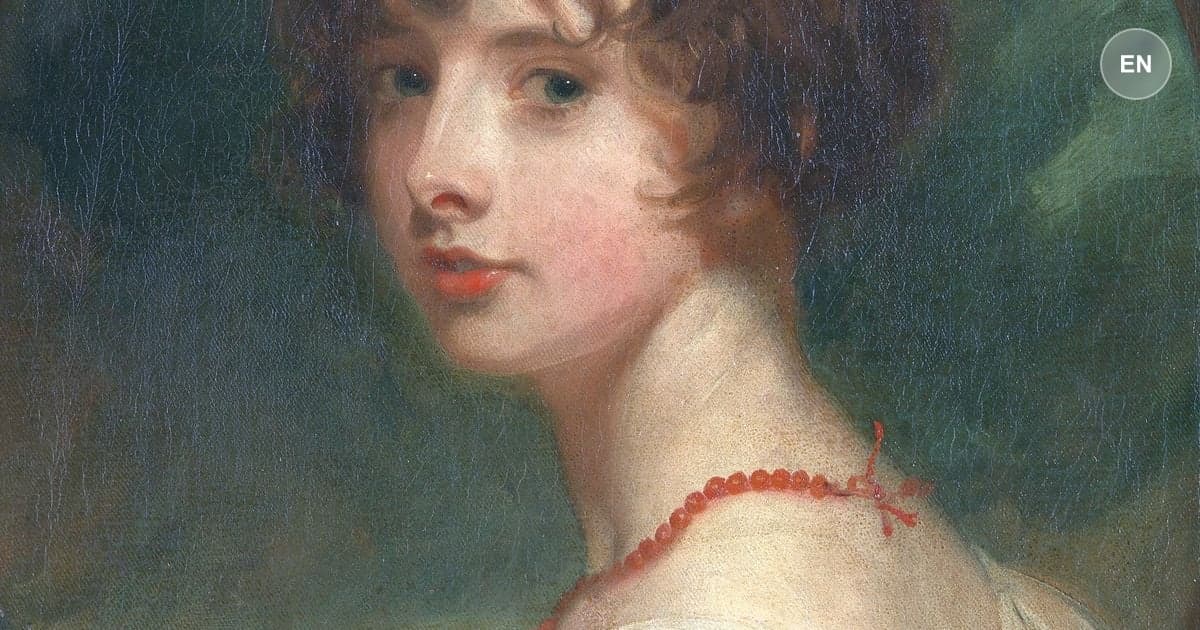
The Crawfords arrive at the Parsonage and Mansfield is a better-lit place. Mary is quick and amusing. Henry is easy, generous and a fine reader. Austen does not hide how pleasant they are. She puts the charm on the page, and then, scene after scene, sets what they say against what they do. The room falls for the first of those. Fanny is left with the second.
She keeps the ledger. At Sotherton Henry slips round a locked gate with Maria and leaves Fanny to explain it to Mr Rushworth. In the play he takes the part he wants and asks Julia not to play Agatha. He tells his sister he means to make a small hole in Fanny Price's heart. Mary lends Fanny a necklace that was already Henry's gift, and presses it on her when she refuses. Each act is small. The room reads each one as kindness. Fanny is the only person keeping both columns.
The test is not whether charm is false. Some of it is real. Henry does get William his promotion. In Portsmouth he is more thoughtful than before, and Fanny cannot yet tell the change from the performance. The test is whether a person is the same when it costs them something. Austen lets that question run to a letter from Mary and a newspaper in a small house at Portsmouth. The ledger, kept over months and unpopular at every step, is the one that holds.
The Central Lesson
Charm is not a lie. It is a skill that makes the room easier, and it can be used well or badly. Austen shows how to read it: put what the person says next to what they do when it costs them something, and keep the record over time. Fanny's ledger is slow and unpopular. Henry's kindness to William is real, and it does not cancel the gate, the play or the hole he meant to make in her heart. The lesson is not to distrust charming people. It is to keep both columns before you decide.
Prestige deep dive
A Psychological Reading of Mansfield Park
Mansfield Park follows a mind trained to treat belonging as a debt, until a no the house never budgeted for is named as ingratitude.
Read the full psychological readingApplying This to Your Life
Check Words Against Costs
Notice what a charming person gives up. Henry's kindness to William costs him a favour from his uncle. His kindness to Maria costs Julia her place and costs Mr Rushworth his fiancée's attention. Charm that never costs the giver is performance.
Ask Who Benefits From the Kindness
Mary's necklace is generous and it advances her brother's plan. A gift can be both. Ask who is helped, and who is made to owe.
Let Good Acts and Bad Patterns Both Count
Fanny does not pretend Henry is wholly bad. She thanks him for William and refuses him anyway. You can credit a good act and still read the pattern.
Other lessons in this book
More life-skill deep dives from the same classic.
Belonging When You Are Overlooked
The Bench, the East Room and the Small House
Stand with Fanny on the bench, in the East room, and in a small house in Portsmouth where nobody asks what she thinks.
9 chapters·Explore AnalysisHolding Your Ground When Everyone Wants a Yes
The Longer No
Sit through the proposal, the pressure from Sir Thomas, and Edmund's well-meant plea, and see what it costs to say no.
7 chapters·Explore AnalysisHow Upbringing Shapes a Character
The Little White Attic and the Schoolroom
See how a poor niece, two indulged daughters and an absent father each turn out, and what Sir Thomas finally admits.
8 chapters·Explore AnalysisMarrying for Advantage or for Esteem
A Match Everyone Calls Good
Watch Maria choose an income, Mary Crawford name a creed of advantage, and Henry's offer test the difference.
7 chapters·Explore AnalysisMoral Courage Without Authority
The No to the Play
Follow a girl with no rank who refuses to act in a play her uncle would ban, and is proved right when he walks in.
6 chapters·Explore Analysis
Continue exploring
The same lessons in other books
See how other books teach the same life skills.

Les Misérables: Essential Edition
Navigating Poverty and Social ClassTrace Fantine from 1817 hope to factory gossip, and the class that treats need as indictment.
The Jungle
Reading Graft as Everyday GovernmentStay with Duane's cell and chapter 25: votes, inspectors, and a city that prices justice.
The Essays of Montaigne
Choosing Real FriendshipHear essay 27 answer La Boétie: because it was he, because it was I.
Where the lesson lives in the book
Cut Down an Avenue
At dinner Mr Rushworth boasts of improving estates and wonders whether to hire Mr Repton. Fanny, who has been listening to Edmund, hears that the old avenue at Sotherton may be cut down and protests. Mary, who cannot find a cart for her harp in the hay harvest, mocks the idea that anyone cares about the grass.
Key Insight:
A person who finds everything amusing has not yet been asked to protect anything. Fanny's small protest shows what she keeps.
“Cut down an avenue! What a pity!”
The Clergyman Is Teased
In the chapel at Sotherton Mrs Rushworth explains the old habit of family prayers. Edmund says it was a better custom than leaving prayers to those who choose to come, and Mary teases him. She cannot imagine that he will be a clergyman, and he defends the calling as a duty to guide a parish.
Key Insight:
Mary's wit meets Edmund's earnestness, and he hears only the wit. What she finds funny is the thing he has chosen to be.
“You assign greater consequence to the clergyman than one has been used to hear given, or than I can quite comprehend.”
The Locked Gate
Mr Rushworth is sent for the key to an iron gate, and Maria says she does not need it. Fanny warns her about the spikes and the ha-ha, but Maria and Henry slip round the gate together and leave Fanny to explain to Mr Rushworth, who arrives sulking.
Key Insight:
An inconvenient rule is called nonsense by the person who benefits from breaking it. Henry's ease with the gate is the first sign of how he treats other people's engagements.
“Prohibited! nonsense!”
Who Gets the Best Part
The company argues over comedy, tragedy and who will have the best part. Both Bertram sisters want to play Agatha. Henry asks Julia not to take it, which settles it in Maria's favour, and Julia answers in a rage that she will do nothing else. Fanny looks on, amused and a little shocked at how selfishly each person pursues his own part.
Key Insight:
Henry's kindness to Maria costs Julia, and he knows it. Charm that favours one person has always taken the place from another.
“This is not behaving well by the absent”
Envy Mrs Rushworth
A rainy morning drives Fanny to the Parsonage, where Mary describes the country life she could now imagine: an elegant, moderate house, family connexions and a husband she likes best. She says one need not envy the new Mrs Rushworth with such a home, and Fanny can only repeat the words. Edmund then asks whether Mary intends to be very rich.
Key Insight:
Mary's idea of happiness is a good house with the right man in it. She is sincere, and it is not the same as Edmund's.
“You intend to be very rich?”
The Dinner at the Parsonage
Fanny is invited to dine at the Parsonage, and Mrs Norris contrives to take the credit from Mrs Grant. On the way Edmund sees Henry Crawford's barouche in the yard, and Henry has come back for a few days. At dinner Mary watches Edmund and Dr Grant, thinks about the life of a clergyman's wife, and decides to meet his apparent indifference with her own.
Key Insight:
Charm reads the room and adjusts to it. Mary's decision to match Edmund's coolness is strategy and not feeling.
A Small Hole in Fanny's Heart
Henry stays another fortnight and tells his sister how he means to amuse himself: he will make a small hole in Fanny Price's heart. Mary calls him a foolish fellow, then gives up trying to stop him. When William arrives on leave, Henry listens to his stories of the sea with envy and offers him the use of a horse for hunting.
Key Insight:
The same man can plan a conquest and show real feeling in the same week. Fanny has to hold both facts at once.
“It would be something to be loved by such a girl, to excite the first ardours of her young unsophisticated mind!”
Improving Thornton Lacey
Henry talks about Thornton Lacey, Edmund's future parish, and has plans to improve the house. Edmund says very little of the plan would suit, and that a clergyman's house should look like one. Henry tells Sir Thomas he wants to be his neighbour. At the end of the visit Henry's quicker hand takes Fanny's shawl before Edmund can.
Key Insight:
Henry's ideas are quick and generous and always for the person he is talking to. Edmund's slower answer is the one that belongs to the place.
“I want to be your neighbour, Sir Thomas, as you have, perhaps, heard me telling Miss Price.”
The Necklace
Mary lays out her ornaments and presses a necklace on Fanny. Fanny protests, and Mary says she must think of somebody else when she wears it. Fanny sees that it was Henry's gift and wants to give it back, but Mary insists and Fanny accepts it uneasily.
Key Insight:
A gift with a hidden giver takes away the right to refuse. Mary's kindness moves Fanny closer to Henry before she has agreed to anything.
“You must think of somebody else too, when you wear that necklace,”
Edmund's Chain
Fanny finds Edmund in the East room, writing her a note. He has brought her a gold chain for William's amber cross. When she wants to return Mary's necklace he says no, it would hurt Mary badly, and that his chain will go with the cross much better. That evening he tells her Mary says she has never danced with a clergyman and never will.
Key Insight:
Edmund's gift is plain and fits the cross. Mary's necklace is handsomer and belongs to another purpose. Fanny keeps both and keeps watching.
“Return the necklace! No, my dear Fanny, upon no account.”
Jealousy in the Mud
Edmund is away being ordained, and Mary is restless at the Parsonage. She thinks of Mr Owen's sisters and feels jealousy for the first time in her life. She makes her way through the mud to the Park for a chance of hearing his name and asks Fanny how she likes Edmund's staying away so long.
Key Insight:
Mary's feeling is real, and it is the first thing in the book that costs her anything. Austen lets the reader see her care before she shows it.
“And how do you like your cousin Edmund’s staying away so long?”
A Changed Henry
Mr Crawford joins the Prices on the way to church and goes with them to the Garrison chapel. On the ramparts he asks when Fanny will go back and offers to take her, and says her judgement is his rule of right. He has become more thoughtful of others than before. Fanny is out of spirits the rest of the day and wonders if he will persevere.
Key Insight:
Real change and charm look alike on the first day. Fanny cannot yet tell which she is seeing, and the book does not tell her.
“Your judgment is my rule of right.”
Mary's Letter
Fanny reads a letter from Mary telling her that Henry has been to Portsmouth to see her, and that she and Henry would like to take Fanny back into Northamptonshire. Mary says she must not stay at Portsmouth to lose her pretty looks. The only certainty is that nothing decisive has happened.
Key Insight:
Mary slips Edmund's name into the middle of her brother's plan. Charm keeps its own interests in the same sentence.
“My dear little creature, do not stay at Portsmouth to lose your pretty looks.”