Mansfield Park
Jane Austen

Prestige · $2.99/month
Chapter audio, theme analysis, and downloads
Jane Austen
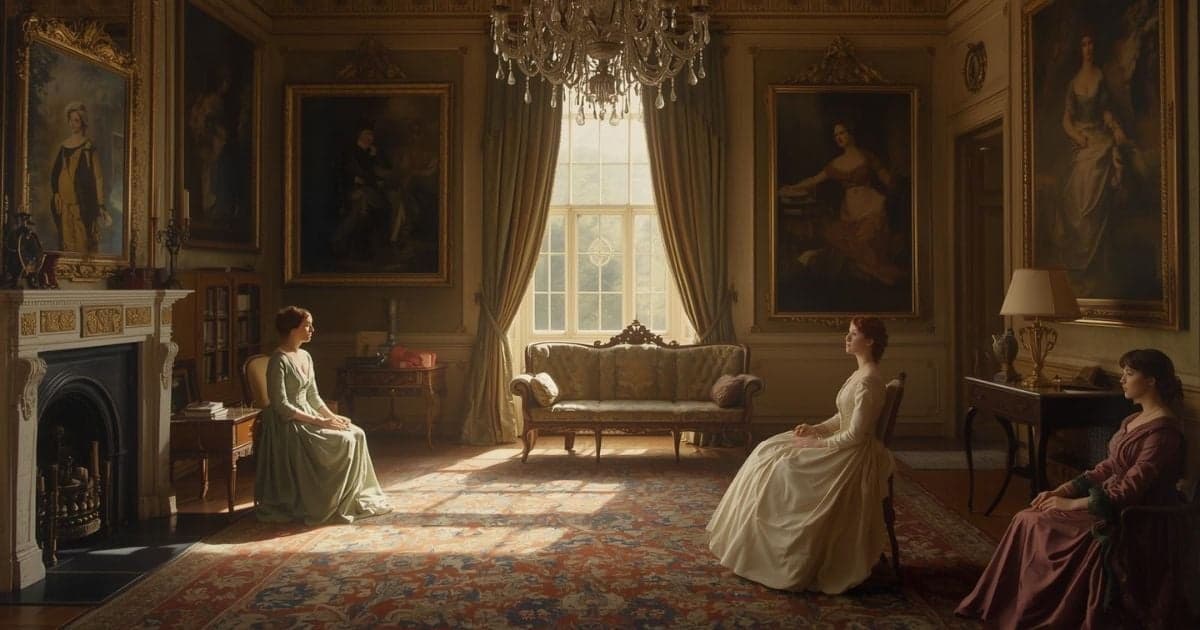
At ten, Fanny Price is sent from a crowded house in Portsmouth to live with rich relations at Mansfield Park. She is not quite a servant and not quite a daughter. Her cousins are polished and sure of themselves. Her aunt, Mrs Norris, reminds her daily of her place. Her one friend is Edmund, who will become a clergyman. Jane Austen published the novel in 1814, and it is the Austen novel readers argue about most.
The test comes when the family, in the absence of its father, decides to stage a play he would never allow. The others take parts. Fanny refuses, and nobody listens. Later a charming, rich visitor, Henry Crawford, asks to marry her. She says no again, and this time the pressure from the household is much harder to bear. Mansfield Park asks what a person owes to rank, to charm, and to her own judgement when no one is on her side.
Life skills and patterns this book helps you develop—drawn from its themes and characters.
See how a poor niece, two indulged daughters and an absent father each turn out, and what Sir Thomas finally admits.
Watch Maria choose an income, Mary Crawford name a creed of advantage, and Henry's offer test the difference.
Learn to hear what the Crawfords say, and what they do when it costs them something.
Stand with Fanny on the bench, in the East room, and in a small house in Portsmouth where nobody asks what she thinks.
Follow a girl with no rank who refuses to act in a play her uncle would ban, and is proved right when he walks in.
Sit through the proposal, the pressure from Sir Thomas, and Edmund's well-meant plea, and see what it costs to say no.
Thirty years before the story opens, Maria Ward marries Sir Thomas Bertram of Mansfield Park on seve...
Fanny arrives at ten, shy and plain, and is met by Mrs Norris at Northampton. Her Bertram cousins ar...
Mr Norris dies when Fanny is about fifteen. Tom's extravagance has already forced Sir Thomas to disp...
With Sir Thomas and Tom abroad, Edmund takes over his father's work. Good news comes from Antigua. T...
The young people like each other from the start. Henry Crawford, plain but charming, says he prefers...
Tom goes to the races, and the two families dine together. Mr Rushworth boasts about his friend Smit...
Edmund asks Fanny what she thinks of Miss Crawford. Fanny says she likes to hear her talk but was sh...
Fanny's rides begin again. Mrs Rushworth comes to press the Sotherton invitation, and Mrs Norris tri...
At Sotherton the party is welcomed and shown the house. In the chapel Mrs Rushworth explains the old...
Fanny sits alone for twenty minutes, wondering where Edmund and Miss Crawford have gone. Maria, Henr...
Tom returns at the end of August, gay and full of races and Weymouth. Henry Crawford goes off to Nor...
Tom's new friend, the Honourable John Yates, has little to recommend him beyond fashion and expense....
Finding a play that suits everybody is harder than building the stage. The carpenter is already at w...
Mary Crawford accepts her part readily, and Mr Rushworth is cast as Count Cassel, though he needs Ma...
Trending search questions mapped to the lessons in this book—what readers actually ask Google about morality & ethics, social navigation, relationships, and identity & self.
At ten, Fanny Price is sent from a crowded house in Portsmouth to live with rich relations at Mansfield Park. She is not quite a servant and not quite a daughter. Her cousins are polished and sure of themselves. Her aunt, Mrs Norris, reminds her daily of her place. Her one friend is Edmund, who will become a clergyman. Jane Austen published the novel in 1814, and it is the Austen novel readers argue about most.
The major themes in Mansfield Park include What the chapter adds, Three Sisters and a Poor Niece, A Child Among Cousins, Antigua and a Change of Plan, A Marriage for Advantage. These themes are explored throughout the book's 48 chapters, offering insights into human nature and society that remain relevant today.
Mansfield Park by Jane Austen is considered a classic because it offers timeless insights into morality & ethics and social navigation. Written in 1814, the book continues to be studied in schools and universities for its literary merit and enduring relevance to modern readers.
Mansfield Park contains 48 chapters with an estimated total reading time of approximately 14 hours. Individual chapters range from 5-15 minutes each, making it manageable to read in shorter sessions.
Mansfield Park is ideal for students studying classic fiction, book club members, and anyone interested in morality & ethics or social navigation. The book is rated intermediate difficulty and is commonly assigned in high school and college literature courses.
Published 1814
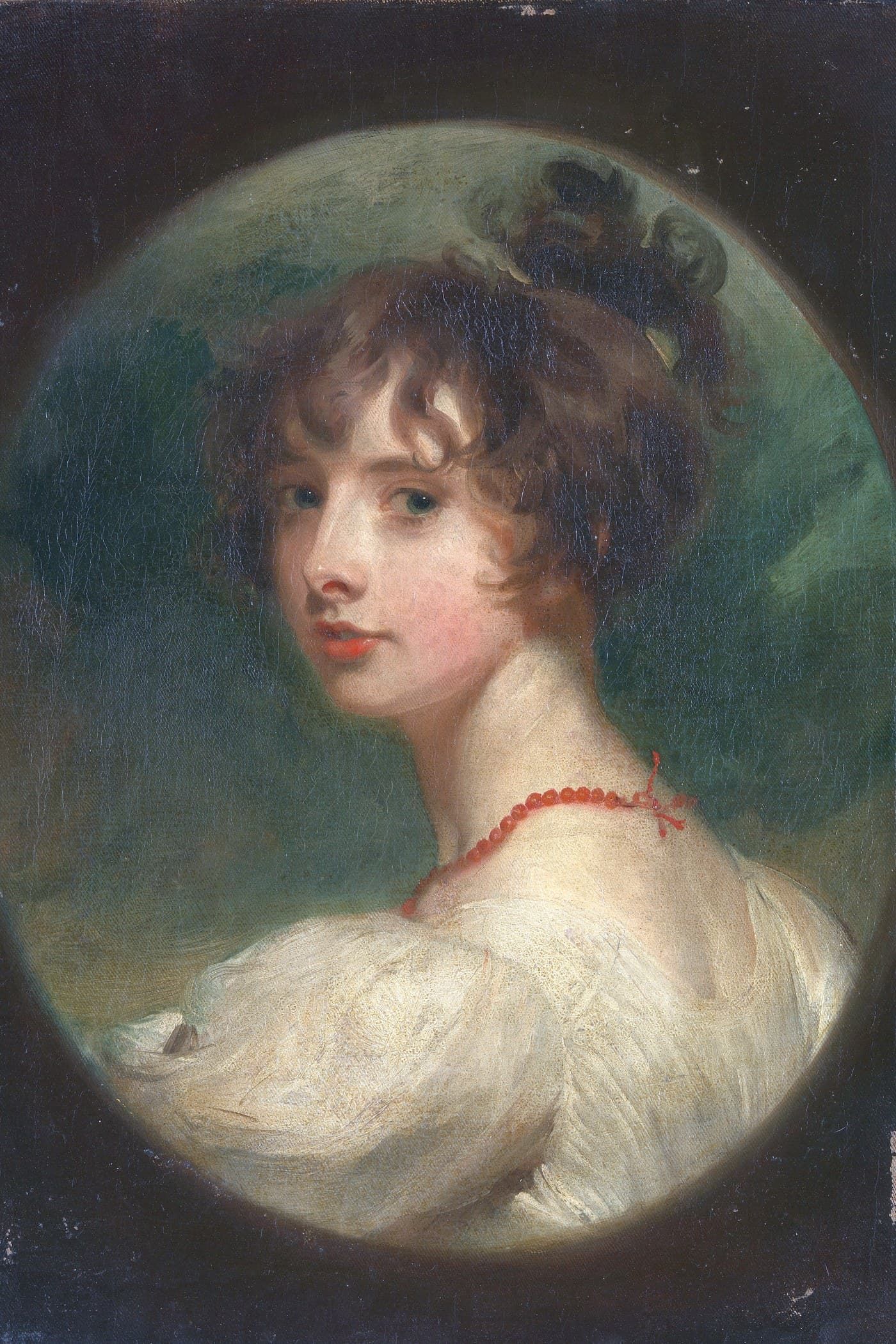
Jane Austen (1775-1817) was born in Steventon, Hampshire, the seventh of eight children of a clergyman. She never married and depended on male relatives for her security. She wrote six novels that reshaped English fiction. Readers knew them as the work of A Lady, and her name did not appear on a title page in her lifetime.
Mansfield Park, published in 1814, is her longest and most argued-over book. It is slower and more serious than Pride and Prejudice. Its heroine is quiet, and its argument is about how a household's habits shape the people who grow up in it.
Reading Jane Austen is an act of self-discovery — one that tends to be more unsettling, and more rewarding, than you expect. Their work doesn't offer easy answers. It offers something rarer: the right questions. Questions about what we owe each other, what we owe ourselves, and what kind of person we are quietly becoming through the choices we make every day.
What makes Jane Austen indispensable isn't just their insight into human nature — it's their honesty about its contradictions. They understood that people are capable of extraordinary courage and ordinary cowardice, often in the same breath. That we can hold convictions firmly and abandon them the moment they cost us something. That the gap between who we think we are and who we actually are is where most of life's real drama lives.
In an age of noise, distraction, and the constant pressure to perform certainty we don't feel,Jane Austen is a corrective. Their pages slow you down and ask you to look more carefully — at the world, yes, but especially at yourself. Few writers have done more to show us that thinking well is not an academic exercise but a survival skill, and that the examined life is not a luxury but the only honest way to live.
Plot, characters, and themes — plus audio, source text, and patterns you can use after class
Two ways in
Chapter by chapter, with audio. The meaning arrives because you experienced it — not because someone listed bullet points.
Start with this.
The actual words the author wrote, alongside every summary. Use the guide, then step into the source.
Then step into the source.
Either way, the door opens inward.
— and most of all, Why does this matter?
Purchase the complete book to access all chapters and support classic literature
Available in paperback, hardcover, and e-book formats
Free to read • No account required

Weekly insights from the classics. Amplify Your Mind.
We focus on public domain classics because these timeless works belong to everyone. No paywalls, no restrictions—just wisdom that has stood the test of centuries, freely accessible to all readers.
Public domain books have shaped humanity's understanding of love, justice, ambition, and the human condition. By amplifying these works, we help preserve and share literature that truly belongs to the world.
© 2026 Wide Reads™. All Rights Reserved.
Intelligence Amplifier™ and Wide Reads™ are proprietary trademarks of Arvin Lioanag.
Copyright Protection: All original content, analyses, discussion questions, pedagogical frameworks, and methodology are protected by U.S. and international copyright law. Unauthorized reproduction, distribution, web scraping, or use for AI training is strictly prohibited. See our Copyright Notice for details.
Disclaimer: The information provided on this website is for general informational and educational purposes only and does not constitute professional, legal, financial, or technical advice. While we strive to ensure accuracy and relevance, we make no warranties regarding completeness, reliability, or suitability. Any reliance on such information is at your own risk. We are not liable for any losses or damages arising from use of this site. By using this site, you agree to these terms.