Master this chapter. Complete your experience
Purchase the complete book to access all chapters and support classic literature
As an Amazon Associate, we earn a small commission from qualifying purchases at no additional cost to you.
Available in paperback, hardcover, and e-book formats
Why This Matters
Connect literature to life
This chapter teaches how to spot people who exploit your moral struggles for their own advancement.
Practice This Today
This week, notice when someone encourages you to take risks they wouldn't take themselves, or seems unusually interested in your difficult decisions.
Now let's explore the literary elements.
Key Quotes & Analysis
"Most savage and unnatural!"
Context: Responding to his father's description of how the authorities are treating Lear
Edmund pretends to be outraged by the cruelty toward Lear, but he's actually manipulating his father's emotions. This fake sympathy makes his planned betrayal even more calculated and cold.
In Today's Words:
That's absolutely horrible!
"If I die for it, as no less is threatened me, the King my old master must be relieved."
Context: Deciding to help Lear despite the personal danger
This shows Gloucester's genuine loyalty and moral courage. He's willing to risk his life to help someone who needs it, even though he's been explicitly forbidden and threatened with punishment.
In Today's Words:
Even if it kills me, I have to help him.
"The younger rises when the old doth fall."
Context: After deciding to betray his father's secret
Edmund reveals his philosophy: advancement comes through destroying those above you. This isn't just about family dynamics but about his view that power is a zero-sum game where someone must lose for him to win.
In Today's Words:
When the old guard falls, that's when we take over.
Thematic Threads
Class
In This Chapter
Gloucester's noble status makes his disobedience more dangerous, while Edmund calculates how to climb social ranks through betrayal
Development
Continues the theme of class determining consequences for the same actions
In Your Life:
Your position at work affects how much risk you can take when standing up for what's right.
Identity
In This Chapter
Gloucester defines himself through loyalty to his king, while Edmund shapes his identity around ruthless ambition
Development
Shows how different characters use crisis to either reinforce or transform their core identity
In Your Life:
Crisis moments reveal whether you're the person who helps or the person who calculates advantage.
Power
In This Chapter
Those in control use fear to enforce compliance while ambitious underlings exploit the chaos to rise
Development
Demonstrates how power creates both oppression and opportunity simultaneously
In Your Life:
Every workplace or family crisis creates winners and losers based on who's willing to exploit the situation.
Trust
In This Chapter
Gloucester trusts Edmund with dangerous secrets while Edmund immediately plans to weaponize that trust
Development
Shows how trust becomes a liability when dealing with truly ruthless people
In Your Life:
Some people see your trust as weakness to exploit rather than a bond to honor.
Survival
In This Chapter
Characters must choose between moral survival and physical survival, with some prioritizing advancement over both
Development
Escalates the survival theme from mere endurance to active moral choice under threat
In Your Life:
Sometimes staying true to your values requires risking your security or position.
You now have the context. Time to form your own thoughts.
Discussion Questions
- 1
What impossible choice does Gloucester face, and why is helping Lear so dangerous for him?
analysis • surface - 2
Why does Edmund immediately decide to betray his father's secret, and what does this reveal about his character?
analysis • medium - 3
Where do you see this pattern today: people being forced to choose between doing right and protecting themselves?
application • medium - 4
How would you prepare yourself to handle a situation where showing compassion could cost you your job or safety?
application • deep - 5
What does Edmund's opportunism teach us about how some people view family loyalty versus personal advancement?
reflection • deep
Critical Thinking Exercise
Spot the Squeeze Play
Think of a situation where you've seen someone caught between doing what's right and following orders or protecting themselves. Write down the key players: who needed help, who tried to help, who created the impossible choice, and who benefited from the chaos. Then identify what the helper could have done differently to protect themselves while still acting on their conscience.
Consider:
- •Look for situations where the 'rules' seem designed to prevent compassion
- •Notice who gains power when good people are forced into impossible choices
- •Consider how documentation and allies might change the outcome
Journaling Prompt
Write about a time when you had to choose between helping someone and protecting yourself. What did you learn about navigating these moral squeeze plays?
Coming Up Next...
Chapter 12: The Storm Within and Without
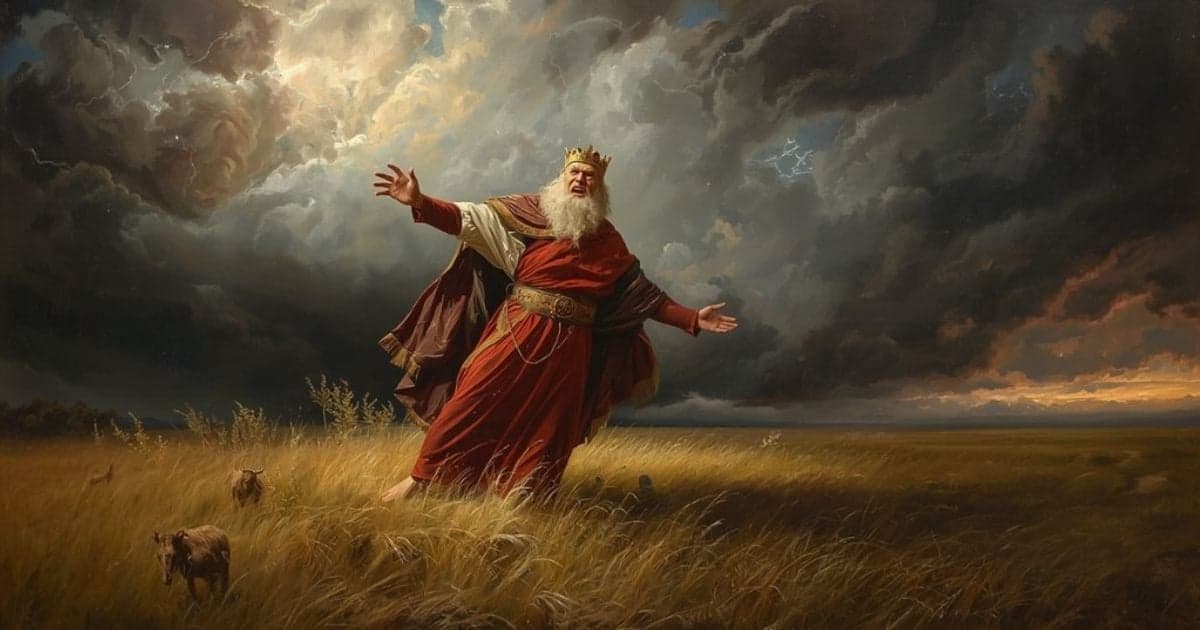
The story moves to the heath where Lear continues to rage against the storm, but he's no longer alone in his suffering. New alliances and unexpected encounters await in the wilderness.