Wide Reads
Literature MattersLife IndexEducators
Sign in
Where to Begin
Don Quixote - The Canon's Literary Debate

Miguel de Cervantes Saavedra

Don Quixote

The Canon's Literary Debate

Home›Books›Don Quixote›Chapter 68
Previous
68 of 126
Next

Summary

The Canon's Literary Debate

Don Quixote by Miguel de Cervantes Saavedra

0:000:00
Listen to Next Chapter

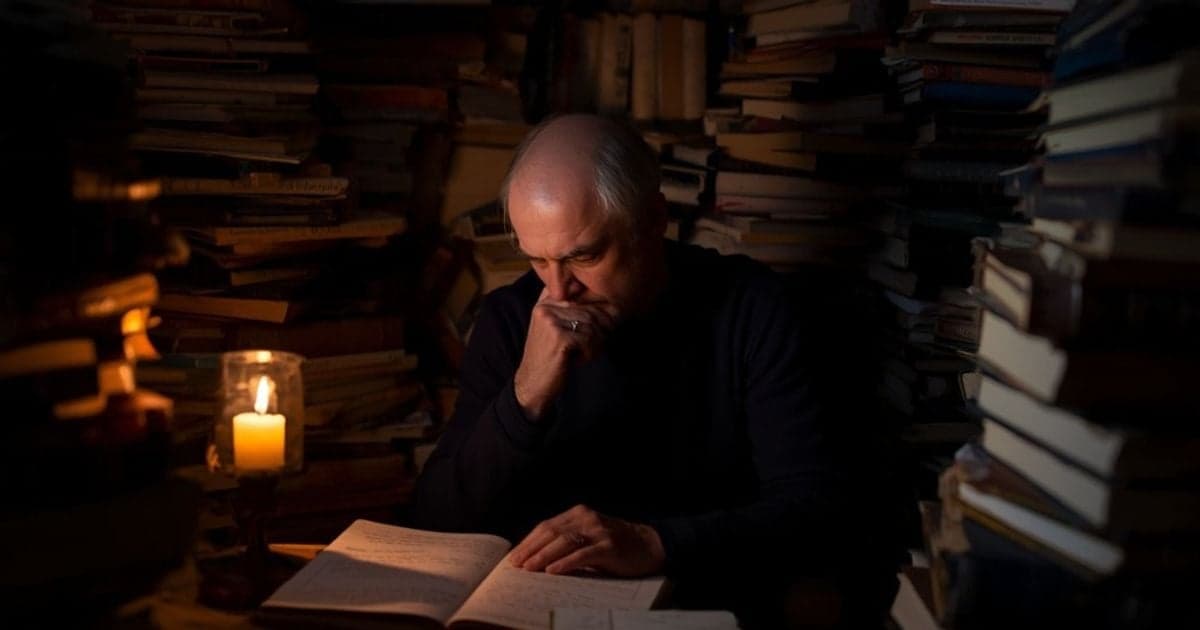
The canon and curate engage in a passionate debate about literature and theater, revealing timeless tensions between art and commerce. The canon admits he once tried writing a proper chivalry book but abandoned it, realizing that audiences prefer mindless entertainment over quality work. He argues that writers and actors pander to the masses because 'fools are more numerous than the wise,' choosing easy money over artistic merit. The curate agrees, condemning modern plays as 'mirrors of nonsense' that ignore basic rules of storytelling - characters aging decades between acts, impossible timelines, historical inaccuracies. Both men believe good art should educate and inspire, not just entertain, but feel powerless against market forces. Meanwhile, Sancho approaches Don Quixote's cage with a clever plan to prove his master isn't really enchanted. He asks an embarrassingly practical question about bodily functions, reasoning that truly enchanted people wouldn't have such mundane needs. Don Quixote's immediate, very human response - 'get me out of this strait, or all will not go right' - suggests Sancho may be onto something. This chapter explores how creative people justify compromising their standards, the eternal struggle between quality and popularity, and how sometimes the most obvious explanations are the right ones. It also shows how denial can make us rationalize away clear evidence that contradicts what we want to believe.

Coming Up in Chapter 69

Sancho presses his advantage, using Don Quixote's very human response to build his case that enchantment is just an elaborate excuse. Will the knight-errant finally face the uncomfortable truth about his situation?

Share it with friends

Previous ChapterNext Chapter
GO ADS FREE — JOIN US
Original text
complete·3,839 words

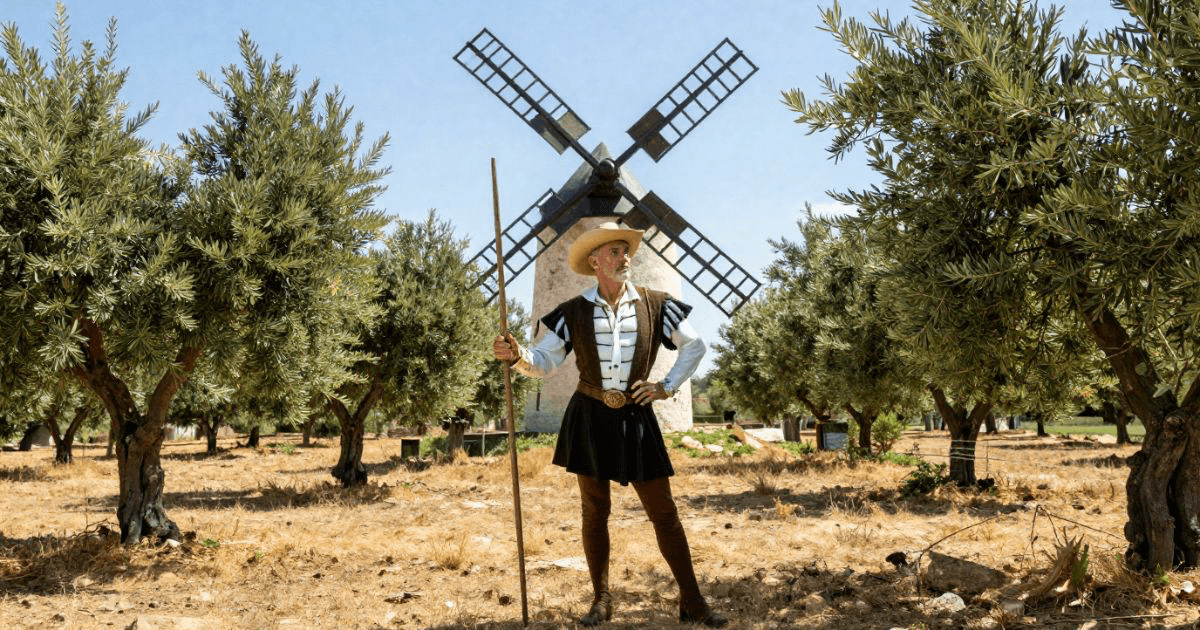
OF WHAT BEFELL DON QUIXOTE WITH A DISCREET GENTLEMAN OF LA MANCHA Don Quixote pursued his journey in the high spirits, satisfaction, and self-complacency already described, fancying himself the most valorous knight-errant of the age in the world because of his late victory. All the adventures that could befall him from that time forth he regarded as already done and brought to a happy issue; he made light of enchantments and enchanters; he thought no more of the countless drubbings that had been administered to him in the course of his knight-errantry, nor of the volley of stones that had levelled half his teeth, nor of the ingratitude of the galley slaves, nor of the audacity of the Yanguesans and the shower of stakes that fell upon him; in short, he said to himself that could he discover any means, mode, or way of disenchanting his lady Dulcinea, he would not envy the highest fortune that the most fortunate knight-errant of yore ever reached or could reach.

1 / 16

Master this chapter. Complete your experience

Purchase the complete book to access all chapters and support classic literature

Read Free on GutenbergBuy at Powell'sBuy on Amazon

As an Amazon Associate, we earn a small commission from qualifying purchases at no additional cost to you.

Available in paperback, hardcover, and e-book formats

GO ADS FREE — JOIN US

Why This Matters

Connect literature to life

Skill: Detecting Rationalization Patterns

This chapter teaches how to spot when you're building elaborate justifications for abandoning your standards under pressure.

Practice This Today

This week, notice when you catch yourself saying 'I had to because...' or 'Everyone else does it this way'—pause and ask if you're rationalizing a compromise you'll regret.

GO ADS FREE — JOIN US

Now let's explore the literary elements.

Key Quotes & Analysis

"I perceived that the fools are more numerous than the wise; and, though it is better to be praised by the wise few than applauded by the foolish many"

— The Canon

Context: Explaining why he abandoned writing a proper chivalry book

This captures the eternal tension between artistic integrity and commercial success. The canon knows quality work exists but feels defeated by market realities.

In Today's Words:

There are way more idiots than smart people out there, and even though getting respect from smart people matters more, it doesn't pay the bills

"mirrors of nonsense, examples of folly, and images of lasciviousness"

— The Curate

Context: Describing what he sees as the terrible state of contemporary theater

This harsh judgment reflects how cultural gatekeepers view popular entertainment as actively harmful rather than just mindless fun.

In Today's Words:

These shows are just stupid garbage that makes people dumber and more obsessed with drama and sex

"get me out of this strait, or all will not go right"

— Don Quixote

Context: His urgent response to Sancho's practical question about bodily functions

This very human, immediate reaction contradicts his claim of being magically enchanted, showing how reality breaks through even the most elaborate self-deceptions.

In Today's Words:

Look, I really need to use the bathroom right now or we're going to have a problem

Thematic Threads

Class

In This Chapter

The canon dismisses common people as 'fools' who prefer mindless entertainment, revealing intellectual class prejudice

Development

Builds on earlier themes of educated characters looking down on popular culture and common sense

In Your Life:

You might catch yourself dismissing coworkers' preferences as 'stupid' instead of trying to understand their perspective

Identity

In This Chapter

The canon defines himself as a serious artist while abandoning artistic principles, showing identity-behavior disconnect

Development

Continues exploring how people maintain self-image while acting contrary to their stated values

In Your Life:

You might call yourself a 'team player' while consistently avoiding collaborative projects

Social Expectations

In This Chapter

Both canon and curate feel trapped by what they believe audiences want, letting perceived expectations override judgment

Development

Expands on how assumed social pressure drives poor decisions throughout the story

In Your Life:

You might stay silent in meetings assuming others won't support your ideas without actually testing that assumption

Personal Growth

In This Chapter

Sancho shows growth by questioning authority through practical observation rather than accepting explanations

Development

Continues Sancho's evolution from blind follower to independent thinker

In Your Life:

You might start questioning workplace policies by looking at actual results rather than accepting official reasoning

Human Relationships

In This Chapter

Sancho's concern for Don Quixote's practical needs shows genuine care cutting through pretense

Development

Develops the theme of authentic care versus performative concern seen throughout their partnership

In Your Life:

You might show real friendship by addressing someone's practical problems rather than just offering sympathy

GO ADS FREE — JOIN US

You now have the context. Time to form your own thoughts.

Discussion Questions

  1. 1

    Why does the canon admit he gave up writing a quality chivalry book, and what does his reasoning reveal about creative compromise?

    analysis • surface
  2. 2

    How do the canon and curate justify the gap between what they know is good art and what they actually support or create?

    analysis • medium
  3. 3

    Where do you see this 'race to the bottom' pattern in today's entertainment, social media, or workplace culture?

    application • medium
  4. 4

    When have you compromised your own standards because 'everyone else is doing it' or 'that's what people want'? How did you justify it to yourself?

    reflection • deep
  5. 5

    What would it look like to resist the Justified Corruption Loop in your own work or creative pursuits, even if it meant smaller audiences or less money?

    application • deep

Critical Thinking Exercise

10 minutes

Map Your Compromise Points

Think about an area where you've gradually lowered your standards - work quality, personal relationships, health habits, or creative projects. Draw a timeline showing how each small compromise led to the next one. What justifications did you use at each step? Where could you have drawn a line and said 'this far, no further'?

Consider:

  • •Notice how each compromise made the next one easier to justify
  • •Identify the moment when you first told yourself 'just this once' or 'I have no choice'
  • •Consider what external pressures influenced your decisions versus your own fear or laziness

Journaling Prompt

Write about a quality standard you want to reclaim. What would it cost you to maintain that standard? What would it cost you not to maintain it? How can you build systems to protect this standard when pressure mounts?

GO ADS FREE — JOIN US

Coming Up Next...

Chapter 69: The Art of Defending Your Reality

Sancho presses his advantage, using Don Quixote's very human response to build his case that enchantment is just an elaborate excuse. Will the knight-errant finally face the uncomfortable truth about his situation?

Continue to Chapter 69
Previous
The Caged Knight's Journey
Contents
Next
The Art of Defending Your Reality

Continue Exploring

Don Quixote Study GuideTeaching ResourcesEssential Life IndexBrowse by ThemeAll Books
Identity & Self-DiscoveryMoral Dilemmas & EthicsLove & Relationships

You Might Also Like

Jane Eyre cover

Jane Eyre

Charlotte Brontë

Explores identity & self

Great Expectations cover

Great Expectations

Charles Dickens

Explores identity & self

The Strange Case of Dr Jekyll and Mr Hyde cover

The Strange Case of Dr Jekyll and Mr Hyde

Robert Louis Stevenson

Explores identity & self

The Odyssey cover

The Odyssey

Homer

Explores identity & self

Browse all 47+ books
GO ADS FREE — JOIN US

Share This Chapter

Know someone who'd enjoy this? Spread the wisdom!

TwitterFacebookLinkedInEmail

Read ad-free with Prestige

Get rid of ads, unlock study guides and downloads, and support free access for everyone.

Subscribe to PrestigeCreate free account
Intelligence Amplifier
Intelligence Amplifier™Powering Wide Reads

Exploring human-AI collaboration through books, essays, and philosophical dialogues. Classic literature transformed into navigational maps for modern life.

2025 Books

→ The Amplified Human Spirit→ The Alarming Rise of Stupidity Amplified→ San Francisco: The AI Capital of the World
Visit intelligenceamplifier.org
hello@widereads.com

WideReads Originals

→ You Are Not Lost→ The Last Chapter First→ The Lit of Love→ Wealth and Poverty→ 10 Paradoxes in the Classics · coming soon
Arvintech
arvintechAmplify your Mind
Visit at arvintech.com

Navigate

  • Home
  • Library
  • Essential Life Index
  • How It Works
  • Subscribe
  • Account
  • About
  • Contact
  • Authors
  • Suggest a Book
  • Landings

Made For You

  • Students
  • Educators
  • Families
  • Readers
  • Literary Analysis
  • Finding Purpose
  • Letting Go
  • Recovering from a Breakup
  • Corruption
  • Gaslighting in the Classics

Newsletter

Weekly insights from the classics. Amplify Your Mind.

Legal

  • Privacy Policy
  • Terms of Service
  • Cookie Policy
  • Accessibility

Why Public Domain?

We focus on public domain classics because these timeless works belong to everyone. No paywalls, no restrictions—just wisdom that has stood the test of centuries, freely accessible to all readers.

Public domain books have shaped humanity's understanding of love, justice, ambition, and the human condition. By amplifying these works, we help preserve and share literature that truly belongs to the world.

A Pilgrimage

Powell's City of Books

Portland, Oregon

If you ever find yourself in Portland, walk to the corner of Burnside and 10th. The building takes up an entire city block. Inside is over a million books, new and used on the same shelf, organized by color-coded rooms with names like the Rose Room and the Pearl Room. You can lose an afternoon. You can lose a weekend. You will find a book you have been looking for your whole life, and three you did not know existed.

It is a pilgrimage. We cannot find a bookstore like it anywhere on earth. If you read the classics, and you ever get the chance, go. It belongs on every reader's bucket list.

Visit powells.com

We are not in any way affiliated with Powell's. We are just a very big fan.

© 2026 Wide Reads™. All Rights Reserved.

Intelligence Amplifier™ and Wide Reads™ are proprietary trademarks of Arvin Lioanag.

Copyright Protection: All original content, analyses, discussion questions, pedagogical frameworks, and methodology are protected by U.S. and international copyright law. Unauthorized reproduction, distribution, web scraping, or use for AI training is strictly prohibited. See our Copyright Notice for details.

Disclaimer: The information provided on this website is for general informational and educational purposes only and does not constitute professional, legal, financial, or technical advice. While we strive to ensure accuracy and relevance, we make no warranties regarding completeness, reliability, or suitability. Any reliance on such information is at your own risk. We are not liable for any losses or damages arising from use of this site. By using this site, you agree to these terms.