Master this chapter. Complete your experience
Purchase the complete book to access all chapters and support classic literature
As an Amazon Associate, we earn a small commission from qualifying purchases at no additional cost to you.
Available in paperback, hardcover, and e-book formats
Why This Matters
Connect literature to life
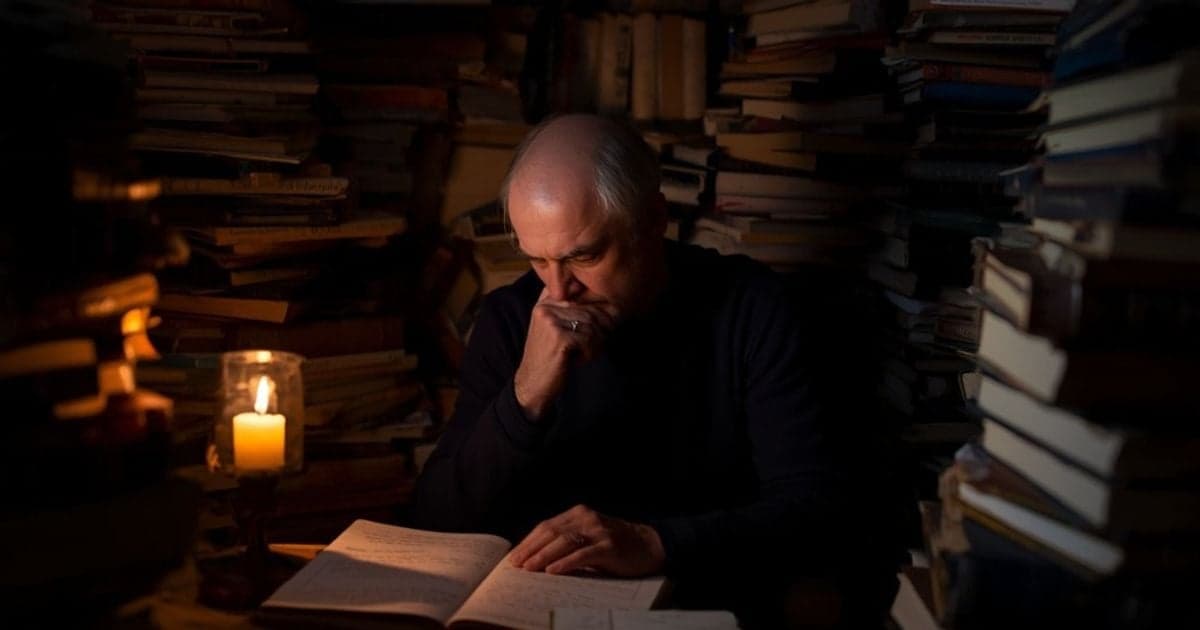
This chapter teaches how valuable stories and knowledge require active effort to survive—they don't preserve themselves.
Practice This Today
This week, notice what important information is getting lost in your workplace or family, then become the person who writes it down, asks the questions, or makes the connections before it disappears forever.
Now let's explore the literary elements.
Key Quotes & Analysis
"It appeared to me to be a thing impossible and contrary to all precedent that so good a knight should have been without some sage to undertake the task of writing his marvellous achievements"
Context: The narrator explains why he couldn't accept that Don Quixote's story was incomplete
This shows how stories create their own logic and expectations. The narrator is so invested in the fantasy that he believes great knights must have chroniclers. It's also Cervantes poking fun at the whole genre.
In Today's Words:
There's no way someone this interesting wouldn't have someone writing down all the crazy stuff he does
"I promise to go to the said place and present myself before the said lady on your behalf"
Context: The defeated Biscayan agrees to Don Quixote's terms to save his life
Shows how honor culture works - even ridiculous demands must be accepted to avoid greater shame. The Biscayan would rather make this absurd journey than die or be seen as a coward.
In Today's Words:
Fine, I'll do whatever weird thing you want, just don't kill me
"The pleasure derived from having read such a small portion turned to vexation at the thought of the poor chance that presented itself of finding the large part that was missing"
Context: The narrator describes his frustration when the original story stopped mid-battle
Perfectly captures how we feel when a good story is interrupted or incomplete. The narrator becomes like any reader who gets hooked and desperately wants to know what happens next.
In Today's Words:
I was really getting into this story and then it just stopped - it was so frustrating
Thematic Threads
Identity
In This Chapter
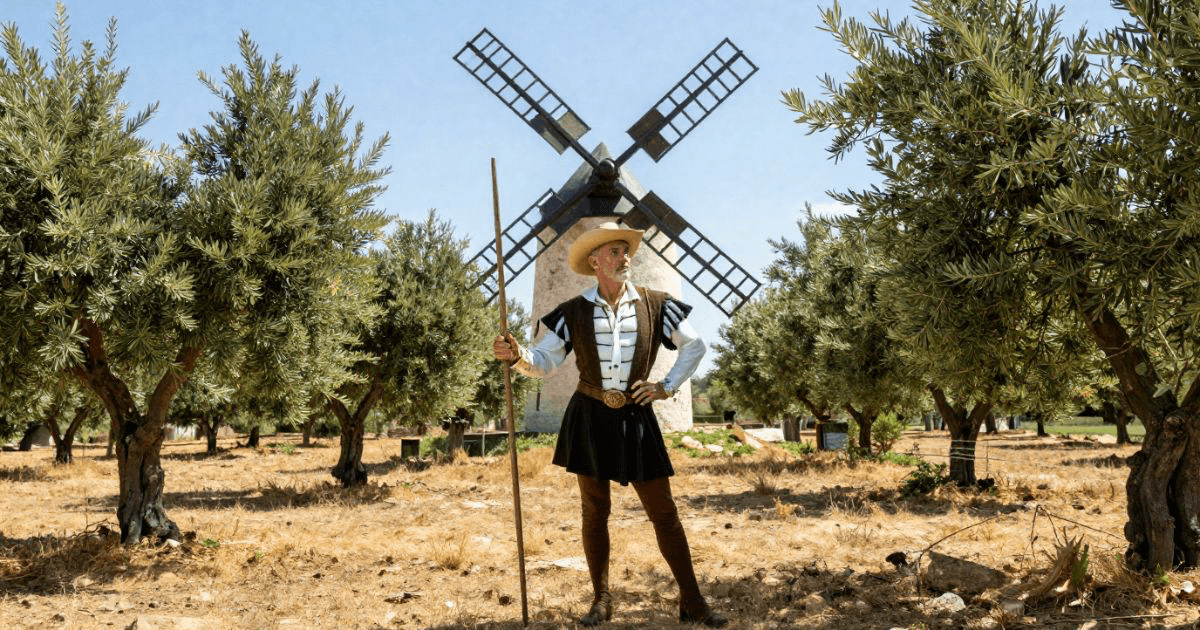
Don Quixote's identity as knight is validated through the formal battle and his merciful victory
Development
Evolved from internal delusion to external recognition through action
In Your Life:
Your professional identity becomes real when others acknowledge your competence through your work
Class
In This Chapter
The ladies in the coach can command mercy for their servant, showing how class privilege protects
Development
Continued exploration of how social position grants power over others' fates
In Your Life:
You might see this when wealthy patients get different treatment or when management protects certain employees
Social Expectations
In This Chapter
Don Quixote follows chivalric codes of mercy to defeated enemies and service to ladies
Development
His adherence to knight's codes becomes more sophisticated and situationally appropriate
In Your Life:
You follow professional codes even when it's inconvenient, like maintaining patient confidentiality
Personal Growth
In This Chapter
Don Quixote shows strategic thinking by sending his defeated enemy as messenger to Dulcinea
Development
His actions become more purposeful and connected to his larger goals
In Your Life:
You turn difficult situations into opportunities to advance your relationships or career
Human Relationships
In This Chapter
The complex web of narrator, translator, historian, and characters shows how relationships preserve stories
Development
Introduced here as meta-commentary on how human connections transmit meaning
In Your Life:
Your stories and knowledge only survive through the people willing to listen and retell them
You now have the context. Time to form your own thoughts.
Discussion Questions
- 1
Why does the narrator go searching for the rest of Don Quixote's story instead of just making up an ending?
analysis • surface - 2
What does it tell us about Don Quixote that he shows mercy to his defeated opponent but still demands the man visit Dulcinea?
analysis • medium - 3
Think about important family stories or workplace knowledge you've seen almost disappear. What made the difference between what got saved and what got lost?
application • medium - 4
When you encounter incomplete or missing information that matters to you, what's your strategy for tracking down the full story?
application • deep - 5
What does this chapter suggest about the difference between being right and being merciful?
reflection • deep
Critical Thinking Exercise
Become the Story Keeper
Identify one important story, piece of knowledge, or tradition in your life that's at risk of being lost. Maybe it's how your grandmother made her famous recipe, why your family moved to this town, or the unwritten rules that make your workplace actually function. Write down what you know and identify what gaps need filling.
Consider:
- •Stories don't preserve themselves - someone has to actively choose to keep them alive
- •The most valuable information is often held by people who don't realize others need it
- •What seems obvious to you today might be completely mysterious to someone tomorrow
Journaling Prompt
Write about a time when you wished you had asked more questions before it was too late. What would you ask now if you could? How can you prevent this regret from happening again with current relationships or situations?
Coming Up Next...
Chapter 30: The Price of Glory
With the battle won, Don Quixote reunites with Sancho Panza, who has been watching anxiously and dreaming of the island he was promised as reward for his service. Their conversation reveals how differently master and servant view what just happened.