Master this chapter. Complete your experience
Purchase the complete book to access all chapters and support classic literature

As an Amazon Associate, we earn a small commission from qualifying purchases at no additional cost to you.
Available in paperback, hardcover, and e-book formats
Why This Matters
Connect literature to life
This chapter teaches how to recognize when you're protecting a story instead of facing facts.
Practice This Today
This week, notice when you explain away evidence that contradicts something you really want to believe—that's your windmill moment.
Now let's explore the literary elements.
Key Quotes & Analysis
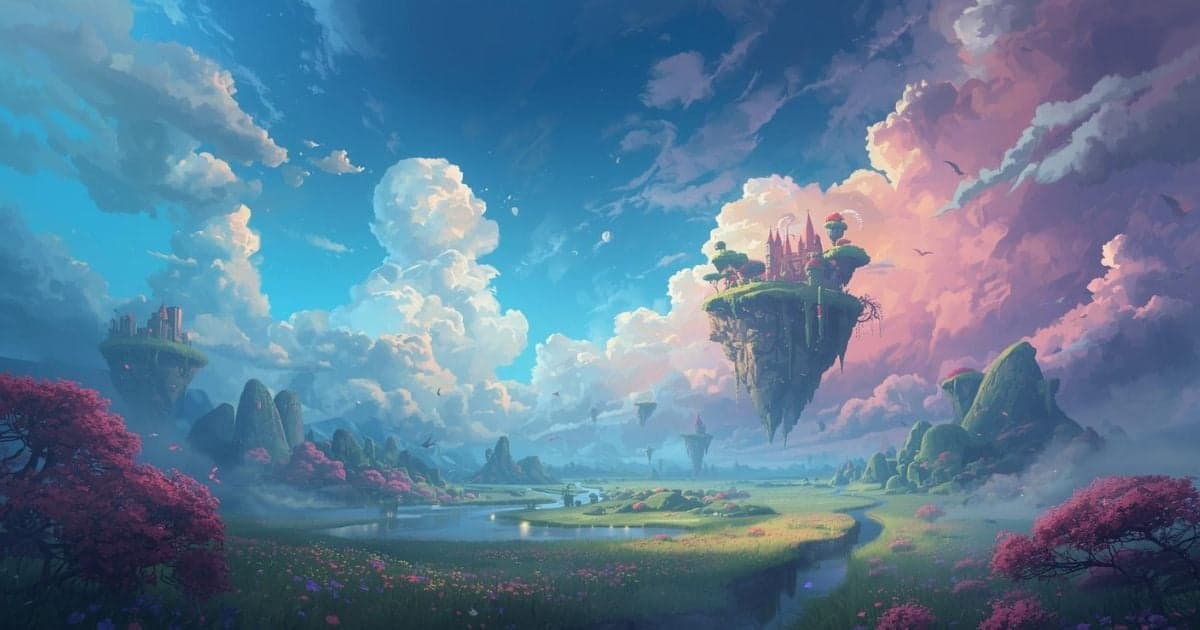
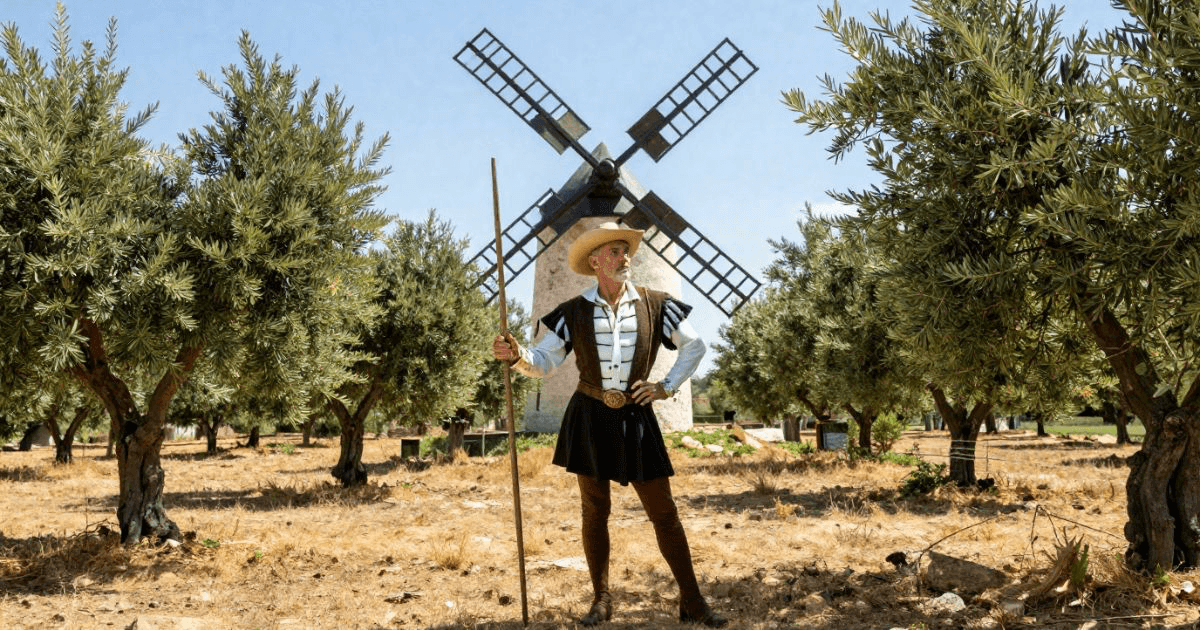
"Fortune is arranging matters for us better than we could have shaped our desires ourselves, for look there, friend Sancho Panza, where thirty or more monstrous giants present themselves."
Context: When he first spots the windmills on the plain
This shows how Don Quixote interprets everything through the lens of his fantasy. He sees ordinary windmills as a gift from fate, proof that he's living the heroic life he's always dreamed of. His excitement reveals how desperately he wants his delusions to be real.
In Today's Words:
This is perfect - look at all those huge enemies I get to fight!
"What we see there are not giants but windmills, and what seem to be their arms are the sails that turned by the wind make the millstone go."
Context: Trying to convince Don Quixote to see reality
Sancho speaks with simple, clear logic, explaining exactly what the objects actually are and how they work. His practical knowledge contrasts sharply with his master's fantasy, showing the tension between common sense and wishful thinking.
In Today's Words:
Those aren't monsters - they're just machines that grind grain when the wind blows.
"It is easy to see that thou art not used to this business of adventures; those are giants; and if thou art afraid, away with thee out of this."
Context: Dismissing Sancho's warning before charging at the windmills
Don Quixote can't admit he might be wrong, so he attacks Sancho's credibility instead. He frames his delusion as experience and Sancho's wisdom as cowardice. This is how people defend their bad decisions by questioning others' courage or commitment.
In Today's Words:
You just don't understand how this works - those are definitely enemies, and if you're too scared, then leave.
Thematic Threads
Identity
In This Chapter
Don Quixote's entire sense of self depends on being a knight, making him unable to see reality that contradicts this identity
Development
Building on earlier chapters where he transforms himself from Alonso to Don Quixote
In Your Life:
You might cling to outdated versions of yourself that no longer serve you because changing feels like losing who you are
Loyalty
In This Chapter
Sancho follows despite seeing the obvious truth, showing love that transcends agreement
Development
Deepening from earlier chapters where Sancho first agrees to join the quest
In Your Life:
You might struggle between being honest with loved ones and supporting their dreams, even when those dreams seem impossible
Class
In This Chapter
Don Quixote's delusions stem partly from reading too many chivalric romances, a luxury of his social position
Development
Continuing the theme of how different classes experience reality differently
In Your Life:
You might find that your problems or perspectives seem invisible to people from different economic backgrounds
Truth
In This Chapter
Multiple versions of reality exist simultaneously—windmills, giants, and magically transformed giants
Development
Expanding from earlier questions about what makes something 'real'
In Your Life:
You might discover that insisting on being 'right' matters less than understanding why others see things differently
You now have the context. Time to form your own thoughts.
Discussion Questions
- 1
Why does Don Quixote insist the windmills are giants even after being thrown to the ground?
analysis • surface - 2
What does Don Quixote's explanation about evil magicians reveal about how people protect their beliefs?
analysis • medium - 3
Where do you see people in your workplace or community 'fighting windmills'—defending stories that don't match reality?
application • medium - 4
How can you tell the difference between persistence worth having and stubbornly defending a fantasy?
application • deep - 5
What does Sancho's loyalty teach us about supporting people we care about who might be chasing impossible dreams?
reflection • deep
Critical Thinking Exercise
Identify Your Own Windmills
Think of a time when you kept pushing toward a goal despite mounting evidence it wasn't working—a relationship, job, project, or dream. Write down what story you were telling yourself about why it would work out, and what evidence you were ignoring or explaining away. Then identify what you would have had to admit about yourself if you'd acknowledged the reality earlier.
Consider:
- •What identity or self-image was tied to this goal succeeding?
- •How did you explain away the warning signs or failures?
- •What would you lose (beyond the goal itself) by admitting it wasn't working?
Journaling Prompt
Write about someone in your life who acts like Sancho—who sees reality clearly but supports you anyway. How do you respond when they try to point out your 'windmills'? What would change if you listened more carefully to their perspective?
Coming Up Next...
Chapter 29: The Battle Ends and the Story Begins
The sword fight between Don Quixote and the Biscayan traveler reaches its dramatic conclusion. Will our knight-errant prove his valor in actual combat, or will reality once again clash with his romantic ideals?