Free study guide · no paywall
A Room with a ViewStudy Guide
by E.M. Forster (1908)
A kiss among the violets, a safe engagement, and the muddle Lucy has to name, mapped across two parts and six lessons.

Start here
Plot, characters & chapter jump
20 chapter summaries · 7 key figures · discussion questions · quotes · free
Plot summary
Lucy Honeychurch is chaperoned through Florence by her cousin Charlotte, plays Beethoven at the Pension Bertolini, and is kissed by George Emerson on a terrace of violets above Fiesole. Back in Surrey she accepts Cecil Vyse's third proposal and tries to file Italy away as a holiday. When the Emersons resurface as neighbours and the kiss is read aloud from a stolen novel, Lucy has to admit what her instincts already knew before her training can talk her out of it.
Key characters
Jump to chapter
What readers search for
Common questions about A Room with a View
What is A Room with a View about?
Lucy Honeychurch arrives in Florence chaperoned by Cousin Charlotte, meets the Emersons at the Bertolini, and is kissed by George on a terrace of violets in Fiesole. Back in Surrey she accepts Cecil Vyse on the third proposal, plays Beethoven louder than tea allows, and tries to forget Italy. Forster's book is not travel romance. It is what happens when a trained girl learns to name what she feels before class, family, and performative manners write the sentence for her.
Choosing AuthenticityWhat does "a room with a view" mean in A Room with a View?
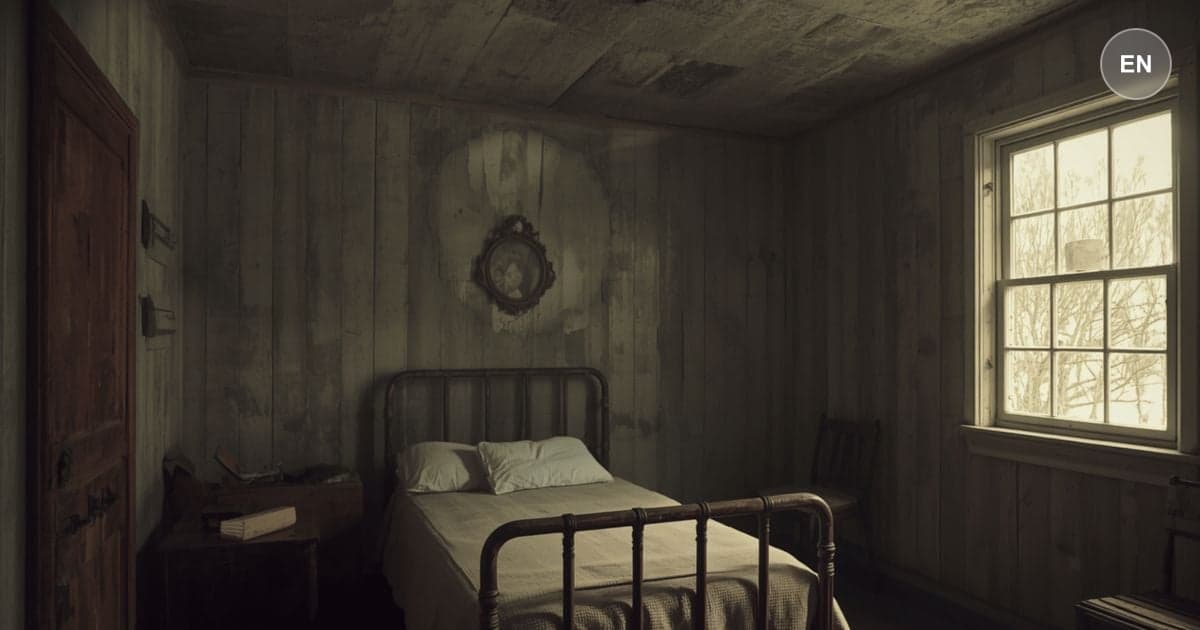
Old Mr. Emerson offers his rooms at the pension table when Lucy and Charlotte are stuck with a courtyard. The view is literal: the Arno, the river, air. It is also the choice between a life arranged for appearances and one that admits light. Charlotte refuses the kindness as debt; Lucy later has to decide whether the window was only Italy or whether she is allowed to keep it in Surrey.
Choosing AuthenticityWhy does Lucy marry Cecil Vyse in A Room with a View?
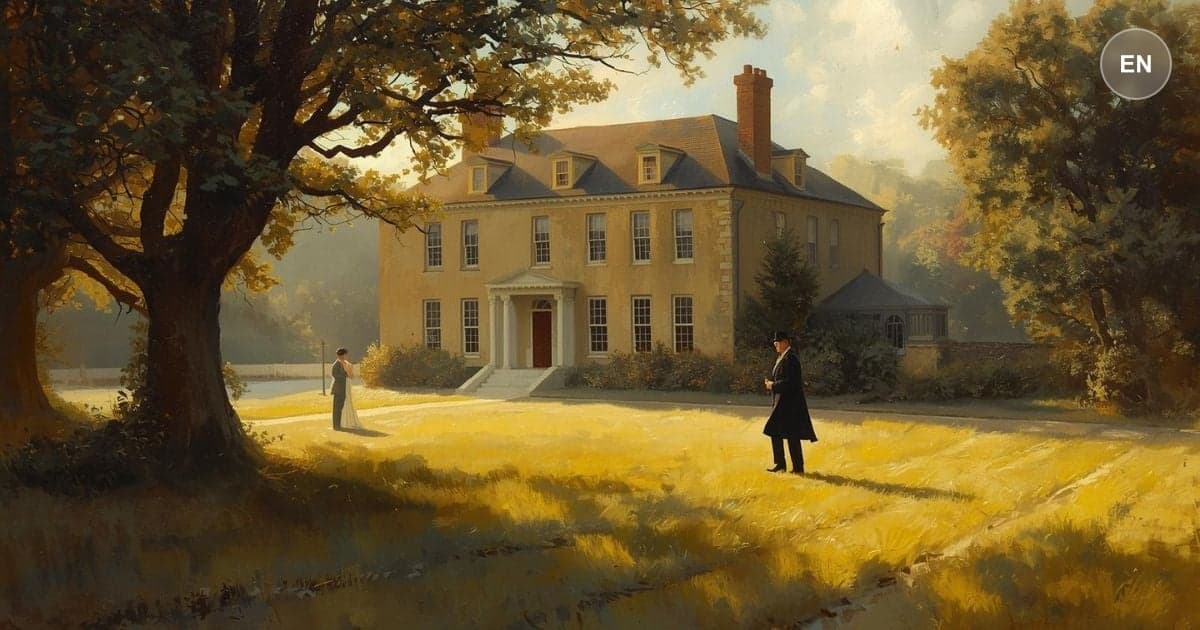
He proposes three times; she accepts on the third because he is safe, clever, and looks like the match her mother can mention at tea. Cecil poses her in the garden as if she were a Leonardo he acquired for the neighbourhood and reads Miss Lavish's stolen kiss aloud as drawing-room sport. Lucy says yes before she has language for the muddle. The engagement is self-deception dressed as prudence until George tells her that a man like Cecil is for pictures, not for a woman.
Embracing Passion Over SafetyGeorge Emerson vs Cecil Vyse in A Room with a View?
Cecil is wit, aesthetics, and control: he installs the Emersons at Cissie Villa as a joke and treats Lucy's feeling as material for performance. George says little until the violets, then later names the lie plainly. Beebe hears Beethoven and wonders what would happen if Lucy lived as she plays. Forster never makes it a cartoon choice between brute and gentleman. It is authenticity versus a life edited for the drawing room.
Trusting Your InstinctsWhat happens in the violets scene in A Room with a View?
On the hillside at Fiesole, George kisses Lucy among the violets while Charlotte watches and later treats the moment as catastrophe to be packed away for Rome. Miss Lavish puts the kiss into a tourist novel Cecil reads aloud in Surrey, turning a private fact into parlour entertainment. The violets are where Lucy's instinct speaks before her training can translate it. Everything after is whether she will trust that moment or let class language bury it.
Breaking Free from ConventionFast track
Short on time? Start here
You do not have to read all 20 chapters in one sprint. These 7 beats hold the book's argument together.
Full coverage
Everything in this study guide
The same surfaces readers expect from a traditional study guide — plot, characters, themes, quotes, and homework help — grouped across 2 parts, with audio and the source text on every chapter. Free, no paywall.
Plot overview
Summary, context, and why the book still matters
20 chapter summaries
Every chapter with audio narration
7 key figures
Who drives the plot and what each one does
6 lessons
Themes traced to scenes, not generic labels
15+ important quotes
Verified lines with chapter links and analysis
Discussion questions
Five per chapter, with suggested answers for class and essays
Original text
Author's words beside every summary
This is not a plot cheat sheet. Wide Reads walks A Room with a View as one muddle carried from a Florence courtyard to a Surrey drawing room, where Lucy has to decide whether a feeling she had on a hillside is allowed to outrank the match her family can mention at tea. Use the part-by-part path below, follow the six lesson deep dives when a theme hooks you, and open individual chapters for summaries, quotes, and audio.
For plot and theme questions about A Room with a View, see Common Questions on the book page.
How to use this guide
How to Read This Book with Wide Reads
Start with the courtyard
Read Part One (chapters 1-7) for the Pension Bertolini, the room Old Mr. Emerson gives up, the stabbing in the Piazza Signoria, and the kiss among the violets at Fiesole. Every later refusal in Surrey is measured against what Lucy already felt in Italy.
Watch the muddle come home
Part Two, which Forster names Medieval, runs chapters 8-20: the engagement to Cecil, the Emersons resettled at Cissie Villa as a joke, the tennis party, and the novel read aloud that forces the Fiesole kiss into the open.
Let the lessons carry you
When a chapter raises a question you cannot shake, whether the reason you are giving is the real one, jump to the matching lesson page, then return to the chapter list.
Plot & context
Book Overview
Cecil Vyse reads a tourist novel aloud in a Surrey drawing room and finds his fiancée among the violets. A novelist was on that Fiesole hillside. She put the kiss into print, and Lucy Honeychurch has to sit still while a private Florence becomes parlour entertainment. E.M. Forster published A Room with a View in 1908. The book is already past its midpoint when that reading happens. Italy has already happened. England is teaching her how to forget it.
Lucy Honeychurch is young, well trained, and louder at the piano than she is allowed to be at tea. Charlotte Bartlett, the cousin who chaperones her through Italy, treats a stranger's kindness as a debt that must be refused. George Emerson says little until he kisses her on a terrace of violets, then later tells her that Cecil is for pictures. Old Mr. Emerson offers his rooms across a pension table and, months later, names the love Lucy will not say. Cecil proposes three times, wins on the third, and poses her in a garden as if she were a Leonardo he has acquired for the neighbourhood. A clergyman at the pension hears her play Beethoven and wonders what would happen if she lived as she plays. A novelist turns other people's kisses into chapters, and Lucy's own family wants a match they can mention over tea. The pressure among them is not a single villain. It is a language they all speak, and Lucy is fluent enough to vanish inside it.
The Pension Bertolini gives Lucy a courtyard. The Emersons offer the Arno. Charlotte refuses until the clergyman talks her into taking the gift. Lucy plays Beethoven. In the Piazza Signoria a man is stabbed in front of her. She faints. George carries her to the embankment and throws the bloodstained photographs into the river. On the Fiesole drive she is left among violets. George is waiting. He kisses her. Charlotte sees it, packs them for Rome by morning, and swears Lucy to silence. At Windy Corner she says yes to Cecil. He meets the Emersons in the National Gallery and installs them at Cissie Villa as a joke on the neighbours. Then the novel is read aloud. George kisses her again. That night she breaks the engagement and books passage abroad with family friends. The hinge is the Rectory fire. Old Mr. Emerson will not let her keep the muddle. He says she loves George.
Forster cuts the novel in two and names the English half Medieval. Italy is spring and a window. Surrey is curtains, a posed engagement, and a comedy that makes panic look like taste. He is not writing a travel romance that sunshine solves. He is writing a mind trained to manage itself. The stabbing and the violets belong to the same case as Cecil's garden pose. Lucy and George return to the Bertolini as husband and wife. Windy Corner does not forgive the hypocrisy. Charlotte, who split them twice, may have left the study door open on purpose. The ending holds because she has to speak in an English room, with no hillside doing the work.
Read the full summary on the book page →
Why this book now
People still arrive when the safe choice starts to look like the honest one, when a family wants a match they can mention at tea, or when a feeling from a holiday gets filed away as something that does not count at home. Forster does not offer a simple travel romance. He wrote a mind trained to manage itself, and this guide keeps the courtyard, the violets, and the tennis party tied to decisions you can still make.
About E.M. Forster
E.M. Forster (1879-1970) was an English novelist, essayist, and social critic whose work masterfully exposed the hypocrisies and constraints of Edwardian society. Born into the English middle class, Forster attended King's College, Cambridge, where he became part of the Bloomsbury Group, a circle of intellectuals who challenged Victorian conventions. His novels, including A Passage to India, Howards End, and A Room with a View, examine the eternal tensions between passion and propriety, authenticity and social performance, connection and isolation. Forster's famous epigraph "Only connect" captures his central concern: how social barriers, class prejudices, and rigid conventions prevent genuine human understanding and love. What makes Forster particularly powerful is his psychological precision. He does not just show social pressure. He reveals the internal mechanisms by which we internalise it, lie to ourselves, and rationalise away our deepest truths. In A Room with a View that precision is Lucy's own: she plays Beethoven and faints at a stabbing before her training has a name for either, and Forster tracks the exact moment plain feeling turns into a rehearsed excuse.
Themes with proof
Lessons from A Room with a View
Six pressures Forster tests from the pension courtyard to the Rectory fire: authenticity chosen over a room arranged for appearances, self-deception that survives a broken engagement, convention that turns a gift into a joke on the neighbourhood, instincts that arrive before training has a name for them, family expectations that ask for silence rather than honesty, and passion weighed against the safety of a match you can mention at tea. Each spoke ties named chapters to the proof.
Deep dives
Chapter-by-chapter breakdowns
Breaking Free from Convention
Watch Cecil install the Emersons at Cissie Villa as a joke, then hear him read Miss Lavish's stolen kiss as drawing-room sport.
No, he is not tactful.
Trusting Your Instincts
Play Beethoven until Beebe asks the question, then faint in the Signoria and find George already carrying you to the river.
If Miss Honeychurch ever takes to live as she plays, it will be very exciting both for us and for her.
Navigating Family Expectations
Let Charlotte pack for Rome after the violets, then come home to a mother who wants a name she can say at tea.
Family expectations often arrive through a proxy: the relative who enforces the script more fiercely than the people who wrote it.
Character guide
Key Figures
Who drives the plot, what each one wants, and why they matter to the argument of the book.
Lucy Honeychurch
Young Englishwoman who plays Beethoven louder than tea allows and has to learn to trust what she already felt in Italy.
Charlotte Bartlett
Lucy's cousin and chaperone, who treats every kindness as a debt and packs them for Rome the morning after the kiss.
George Emerson
Says little until he kisses Lucy on the Fiesole hillside, then tells her plainly that Cecil is for pictures, not for a woman.
Old Mr. Emerson
George's father, who gives up his rooms at the pension table and, months later, is the one who names the love Lucy will not say.
Cecil Vyse
Lucy's fiancé, clever and aesthetic, who poses her in a garden like an acquired painting and reads a stolen kiss aloud as drawing-room sport.
Mr. Beebe
The clergyman who hears Lucy play Beethoven and wonders aloud what would happen if she lived as she plays.
Miss Lavish
A novelist at the pension who turns the Fiesole kiss into a chapter of her own tourist novel, forcing it into the open in Surrey.
Memorable lines
Key Quotes
Verified passages with chapter links — the lines teachers and essays keep returning to.
“I do so want you to have a nice view.”
“The Signora had no business to do it. No business at all. She promised us south rooms with a view close together, instead of which here are north rooms, looking into a courtyard.”
“I have a view, I have a view!”
“The kindness of these people is beyond everything.”
“Something tremendous has happened; I must face it without getting muddled.”
“The drivers, instead of proceeding to the Piazzale Michelangelo, had stopped by the wayside.”
“I do not understand these frescoes - I do not understand the people who understand them.”
“She entered the church reluctantly, and, once inside, she began to be happy.”
“Youth enwrapped them; the song of Phaethon announced passion requited, love attained.”
“Something tremendous has happened.”
“Youth enwrapped them; the song of Phaethon announced passion requited, love attained.”
“Something tremendous has happened.”
“Something tremendous has happened”
“The young man had nothing to say”
“She was not sure that it was love that she felt for Cecil, but it was something that would do instead of love.”
Class & essay prep
Discussion Questions
Sample prompts drawn from the chapter guides — each with suggested answers for seminars and written work.
What happens in the opening of Chapter 1 when A simple hotel room complaint becomes a moral crisis.?
From Chapter 1Why does the middle of Chapter 1 turn on The Emersons - father and son George - represent a different...?
From Chapter 1What happens in the opening of Chapter 2 when The room controversy refuses to die quietly.?
From Chapter 2Why does the middle of Chapter 2 turn on For Lucy, watching this elaborate performance, something subtle shifts.?
From Chapter 2What happens in the opening of Chapter 3 when Music reveals Lucy's hidden depths in ways polite conversation never...?
From Chapter 3Why does the middle of Chapter 3 turn on The chapter brilliantly exposes the divide between Lucy's authentic passionate self...?
From Chapter 3What happens in the opening of Chapter 4 when Lucy's restlessness after playing Beethoven pushes her toward rebellion, though...?
From Chapter 4Why does the middle of Chapter 4 turn on She faints.?
From Chapter 4What happens in the opening of Chapter 5 when The morning after witnessing murder in the Piazza, Lucy wakes...?
From Chapter 5Why does the middle of Chapter 5 turn on Then Mr.?
From Chapter 5What happens in the opening of Chapter 6 when The carriage drive to Fiesole becomes the setting for Lucy's...?
From Chapter 6Why does the middle of Chapter 6 turn on He sees her fall into beauty, surrounded by flowers, radiant with...?
From Chapter 6What happens in the opening of Chapter 7 when Chaos on the hillside after the kiss.?
From Chapter 7Why does the middle of Chapter 7 turn on There will be no discussion, no processing, no acknowledgment.?
From Chapter 7What happens in the opening of Chapter 8 when Part Two: Medieval.?
From Chapter 8Chapter by chapter
All Chapters
Grouped by 2 sections — the same structure as the book hub.
Part One
Chapters 1–7 · Florence, the Bertolini, the kiss at Fiesole
Ch. 1 · Chapter 1The room Old Mr. Emerson gives up
A simple hotel room complaint becomes a moral crisis. When Charlotte Bartlett loudly fusses about their disappointing courtyard-facing rooms at the Pe...
Ch. 2 · Chapter 2
The room controversy refuses to die quietly. Mr. Emerson's generous offer to switch rooms has created a social earthquake in the proper English pensio...
Ch. 3 · Chapter 3Lucy plays Beethoven
Music reveals Lucy's hidden depths in ways polite conversation never could. On a rainy afternoon at the Pension Bertolini, Lucy sits down at the piano...
Ch. 4 · Chapter 4
Lucy's restlessness after playing Beethoven pushes her toward rebellion, though a small one. Forbidden from riding the electric tram alone because it'...
Ch. 5 · Chapter 5
The morning after witnessing murder in the Piazza, Lucy wakes expecting judgment but finds Charlotte surprisingly pleasant about "her adventure" - tho...
Ch. 6 · Chapter 6The kiss among the violets
The carriage drive to Fiesole becomes the setting for Lucy's awakening. Mr. Eager arranges an excursion to see views from the hillsides, but fate cons...
Ch. 7 · Chapter 7
Chaos on the hillside after the kiss. Everyone is scattered, confused, playing out a complicated social game that Lucy doesn't fully understand yet. M...
Part Two: Medieval
Chapters 8–20 · Windy Corner, Cecil, the muddle undone
Ch. 8 · Chapter 8Windy Corner, Part Two begins
Part Two: Medieval. Back in England at Windy Corner, Lucy's family home in Surrey. Months have passed since Italy. The drawing-room curtains are drawn...
Ch. 9 · Chapter 9The engagement party for Cecil
Mrs. Honeychurch hosts a garden party to show off Lucy's engagement to Cecil - naturally she wants everyone to see her daughter is marrying a presenta...
Ch. 10 · Chapter 10
Cecil makes a catastrophic decision, thinking he's being clever. Sir Harry Otway owns a cottage called Cissie Villa that needs tenants. The Miss Alans...
Ch. 11 · Chapter 11
The Comic Muse completes Cecil's plan. The Emersons move into Cissie Villa without incident - Sir Harry signs, agreements finalize, negotiations succe...
Ch. 12 · Chapter 12
A glorious Saturday afternoon, autumn approaching but youth still triumphant. Mr. Beebe suggests to Freddy they should visit the new neighbors - the E...
Ch. 13 · Chapter 13
Lucy has rehearsed this moment endlessly - how she'll bow to George when they formally meet again, how she'll be polite but distant. But she imagined ...
Ch. 14 · Chapter 14
Of course Charlotte Bartlett accepts the invitation to visit Windy Corner. And of course she protests elaborately about being a nuisance, begs for an ...
Ch. 15 · Chapter 15
The Sunday after Charlotte Bartlett's arrival: tennis party at Windy Corner. The Emersons are invited, along with other neighbors. Cecil immediately e...
Ch. 16 · Chapter 16Lucy breaks the engagement
The engagement ends not with drama but with clarity. When Lucy finally finds words to explain why she can't marry Cecil, something fundamental shifts ...
Ch. 17 · Chapter 17
Truth demands to be spoken, even when everyone conspires to keep it silent. Lucy has broken her engagement to Cecil, but she's still lying to herself ...
Ch. 18 · Chapter 18
Cecil leaves Windy Corner at last. Freddy tells Mr. Beebe that Lucy ended the engagement overnight; Mrs. Honeychurch is relieved while Lucy, playing M...
Ch. 19 · Chapter 19
The walls finally come down in Lucy's carefully constructed world. Mr. Emerson's blunt intervention forces her to stop performing and start feeling. T...
Ch. 20 · Chapter 20The muddle finally named
Love wins, but not without cost. In the final chapter, Lucy makes the choice that's been building since that first room controversy at the Pension Ber...
Using this guide
Study Guide FAQ
How to use Wide Reads for class, essays, and revision — and how this guide compares to traditional study sites.
Why Wide ReadsWhat makes this different from SparkNotes or CliffsNotes?
Traditional study guides summarise what happened in A Room with a View. This guide gives you that coverage: both parts and seven key figures, chapter by chapter. Wide Reads adds Trusting Your Instincts and Recognizing Self-Deception traced through named scenes like the Piazza Signoria and the Rectory fire. Summaries include audio; the original text sits beside every chapter. Free, no paywall.
Is A Room with a View hard to read?
A Room with a View is rated intermediate difficulty. Our chapter-by-chapter analysis breaks down complex passages, explains historical context, and highlights key themes to make the text more accessible. Each chapter includes summaries, character analysis, and discussion questions to deepen your understanding.
Can I use this study guide for essays and homework?
Yes — use this reading guide alongside A Room with a View, not instead of it. Wide Reads exists to show you why the book still matters: lessons, chapter summaries with audio, and life skills you can carry into real life. That context can sharpen essays on themes, characters, and quotes. Always read E.M. Forster's original text, though. We are the guide at the trailhead; the classic is still the point.
Begin at the pension window
Chapter 1 opens on a room with no view and a stranger's offer that starts the whole muddle. Each chapter adds summaries, quotes, audio, and the life-skill thread that turns a holiday feeling into a decision Lucy has to make at home.
Wide Reads is different.
Plot, characters, and themes — plus audio, source text, and patterns you can use after class
Two ways in
Read & listen to the summary
Chapter by chapter, with audio. The meaning arrives because you experienced it — not because someone listed bullet points.
Start with this.
Read the original text
The actual words the author wrote, alongside every summary. Use the guide, then step into the source.
Then step into the source.
Either way, the door opens inward.
— and most of all, Why does this matter?
Continue Exploring
Guides, life skills, and the full library.More ways to read A Room with a View: guides, life skills, and the wider library.