Chapter 08
Part Two: Medieval
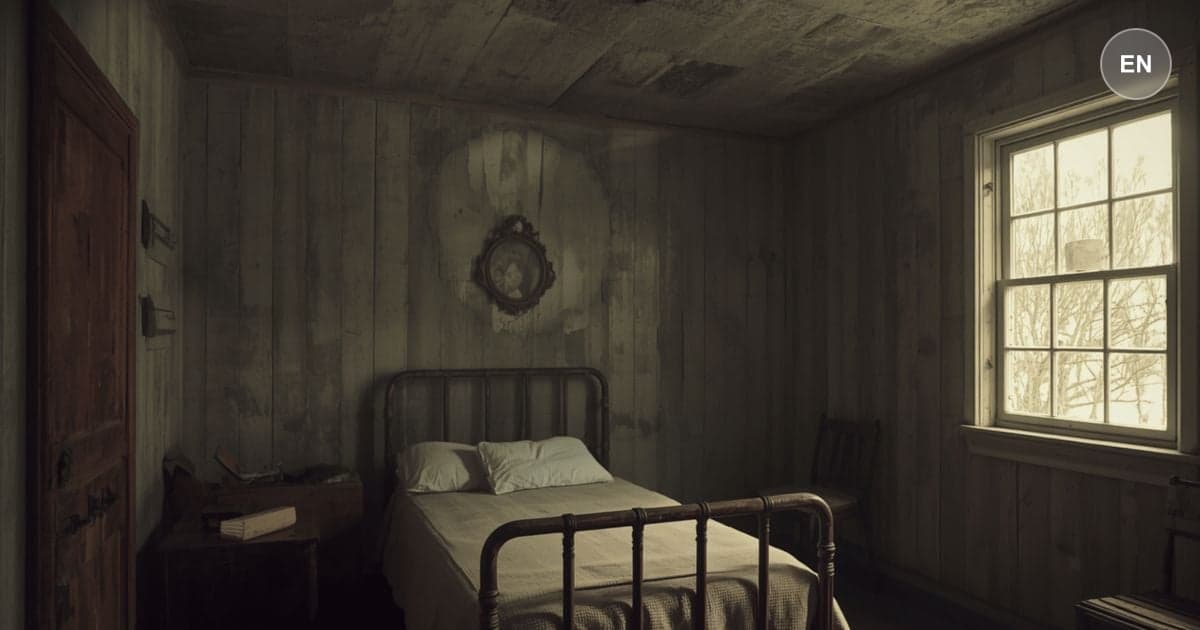
The drawing-room curtains at Windy Corner had been pulled to meet, for the carpet was new and deserved protection from the August sun. They were heavy curtains, reaching almost to the ground, and the light that filtered through them was subdued and varied. A poet—none was present—might have quoted, “Life like a dome of many coloured glass,” or might have compared the curtains to sluice-gates, lowered against the intolerable tides of heaven. Without was poured a sea of radiance; within, the glory, though visible, was tempered to the capacities of man. Two pleasant people sat in the room. One—a boy…
Public-domain chapter text, formatted for reading.
Master this chapter. Complete your experience
Purchase the complete book to access all chapters and support classic literature
Available in paperback, hardcover, and e-book formats
Now let's explore the literary elements.
Key Quotes & Analysis
"She was not sure that it was love that she felt for Cecil, but it was something that would do instead of love."
Context: As Lucy reflects on her engagement and tries to convince herself it's the right choice
This reveals Lucy's self-deception and the tragedy of settling for what's expected rather than what's authentic. She's trying to talk herself into accepting less than real love because it's safer and more socially acceptable.
In Today's Words:
After Italy or any place that woke you up, back in the old drawing room, This reveals Lucy's self-deception and the tragedy of settling for what's expected rather than what's authentic. She's trying to talk herself into accepting less than real love because it's safer and more socially acceptable. Borrowed shame travels fast; you can.
"Cecil was the sort of person who would improve her, she felt sure."
Context: Lucy's thoughts about why Cecil is a suitable match
This shows how Lucy has been taught to think about relationships as self-improvement projects rather than partnerships between equals. It reflects the era's belief that women needed men to elevate them culturally and intellectually.
In Today's Words:
On a day when engagement photos matter more than conversation, This shows how Lucy has been taught to think about relationships as self-improvement projects rather than partnerships between equals. It reflects the era's belief that women needed men to elevate them culturally and intellectually. That is the pressure Forster tracks in Lucy Honeychurch's world.
"Something had happened to her in Italy, in the spring among the violets."
Context: Describing Lucy's internal transformation after her Italian experience
This captures the profound but hard-to-define change that authentic experiences create in us. The violets reference the passionate moment with George that awakened Lucy to genuine feeling and made her current life feel artificial.
In Today's Words:
At work or on a trip, when someone offers help and your mentor flinches, This captures the profound but hard-to-define change that authentic experiences create in us. The violets reference the passionate moment with George that awakened Lucy to genuine feeling and made her current life feel artificial. Notice whether you are protecting yourself or.
"The drawing-room curtains at Windy Corner had been pulled to meet, for the carpet was new and deserved protection from the August sun."
Context: From Chapter 8
In Chapter 8, Forster uses this line to anchor the chapter's argument: "The drawing-room curtains at Windy Corner had been pulled to meet, for the carpet..."
In Today's Words:
In a family or team that cares more about appearances than outcomes, In Chapter 8, Forster uses this line to anchor the chapter's argument: "The drawing-room curtains at Windy Corner had been pulled to meet, for the carpet...". Authentic choice rarely arrives without disappointing someone who liked the old script.
Thematic Threads
Transformation
In This Chapter
Lucy finds herself fundamentally changed by Italy, unable to fit back into her old life despite trying
Development
Building from her awakening in Italy, now showing the permanent nature of that change
In Your Life:
You might feel this after any experience that shows you what's possible—a better job, healthier relationship, or supportive community.
Class Expectations
In This Chapter
Everyone celebrates Lucy's engagement to Cecil because he represents social advancement and security
Development
Continuing the theme of how class shapes romantic choices and family approval
In Your Life:
You might recognize this when family pushes you toward 'suitable' partners or careers that look good on paper but feel wrong to you.
Authentic vs Performed Identity
In This Chapter
Lucy feels like she's playing a role that no longer fits, performing the part of the proper English lady
Development
Evolving from her earlier conformity to show the strain of maintaining false personas
In Your Life:
You might notice this when you catch yourself acting differently around certain people or in certain situations to meet their expectations.
Emotional Safety vs Growth
In This Chapter
Cecil offers predictability and social approval, while George represented passion and uncertainty
Development
Introduced here as Lucy faces the choice between security and authenticity
In Your Life:
You might face this choice between staying in comfortable but limiting situations versus pursuing uncertain but potentially fulfilling paths.
Recognition of Truth
In This Chapter
Lucy becomes more assertive and questioning, unable to suppress what she learned about herself in Italy
Development
Building from her gradual awakening to show how truth, once seen, demands expression
In Your Life:
You might experience this when you start speaking up more or questioning things you used to accept without thinking.
You now have the context. Time to form your own thoughts.
Discussion Questions
This is not a test. Five prompts guide you through the chapter, from how it opens to how it closes, so you notice context and rhythm rather than facts to memorize. Sit with each question in your own words. When you see "One way to read it," treat it as a starting point, not the only answer.
- 1
What happens in the opening of Chapter 8 when Part Two: Medieval.?
analysis • surfaceOne way to read it
Forster opens by showing Part Two: Medieval. before the social consequences unfold.
- 2
Why does the middle of Chapter 8 turn on When Lucy and Cecil finally come in from the garden, they're...?
analysis • mediumOne way to read it
The chapter escalates when When Lucy and Cecil finally come in from the garden, they're engaged., exposing how convention narrows choice.
- 3
Where do you see the awakening trap in modern work or family pressure?
application • mediumOne way to read it
One reading: the same pattern appears when you refuse help to keep someone else's comfort.
- 4
How would you respond if you were Lucy in the closing pressure of Chapter 8?
application • deepOne way to read it
A practical response is to name what you want, then act before shame rewrites the story.
- 5
What does Chapter 8 suggest about choosing authenticity over approval?
reflection • deepOne way to read it
It suggests that peace bought by self-betrayal costs more than the disapproval you fear.
Critical Thinking Exercise
Map Your Own Awakening Trap
Think of a time when you experienced something better - a healthier relationship, a more respectful workplace, a more supportive community - and then had to return to your previous situation. Write down what specifically felt different about the 'before' and 'after.' What did you notice about your old situation that you couldn't see before?
Consider:
- •Focus on concrete differences in how you were treated or how you felt
- •Notice what you started wanting that you hadn't wanted before
- •Consider whether the discomfort was a signal to change or just growing pains
Journaling Prompt
Write about a situation in your life right now where you feel like Lucy - caught between what others expect and what you actually want. What would it look like to honor both your growth and your practical needs?
Coming Up Next...
Chapter 9
The Vyse family dynamics come into sharper focus as Cecil's true character reveals itself more clearly. Meanwhile, an unexpected connection to Lucy's Italian adventure resurfaces in the most surprising way.