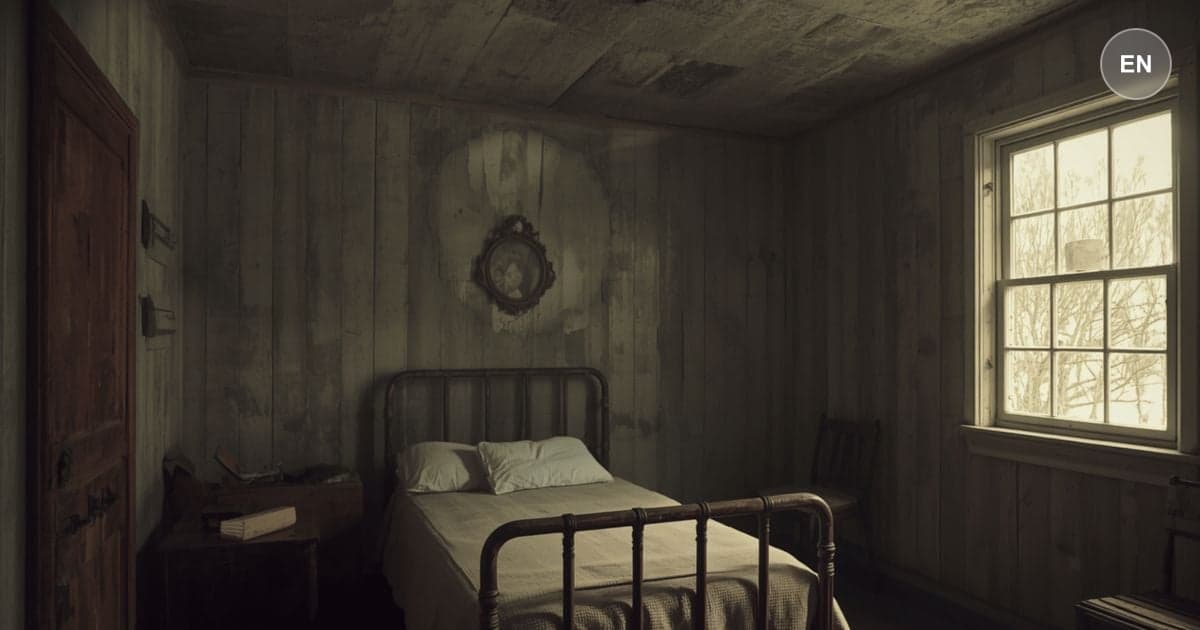
Chapter 14
Of course Charlotte Bartlett accepts the invitation to visit Windy ...
Of course Miss Bartlett accepted. And, equally of course, she felt sure that she would prove a nuisance, and begged to be given an inferior spare room—something with no view, anything. Her love to Lucy. And, equally of course, George Emerson could come to tennis on the Sunday week. Lucy faced the situation bravely, though, like most of us, she only faced the situation that encompassed her. She never gazed inwards. If at times strange images rose from the depths, she put them down to nerves. When Cecil brought the Emersons to Summer Street, it had upset her nerves. Charlotte…
Public-domain chapter text, formatted for reading.
Master this chapter. Complete your experience
Purchase the complete book to access all chapters and support classic literature
Available in paperback, hardcover, and e-book formats
Now let's explore the literary elements.
Key Quotes & Analysis
"He was medieval. Like a Gothic statue. Tall and refined, with shoulders that seemed braced square by an effort of the will."
Context: Describing Cecil's appearance and demeanor
This description reveals Cecil's rigid, artificial nature. He's like a statue - beautiful but lifeless, maintaining his pose through willpower rather than natural ease.
In Today's Words:
On a day when engagement photos matter more than conversation, This description reveals Cecil's rigid, artificial nature. He's like a statue - beautiful but lifeless, maintaining his pose through willpower rather than natural ease. Authentic choice rarely arrives without disappointing someone who liked the old script.
"She was not sure that it was love that she felt for Cecil, but it was something that would do instead of love."
Context: Lucy's thoughts about her engagement
This reveals Lucy's self-deception and the tragedy of settling for less than authentic love. She knows something is missing but convinces herself it's enough.
In Today's Words:
At work or on a trip, when someone offers help and your mentor flinches, This reveals Lucy's self-deception and the tragedy of settling for less than authentic love. She knows something is missing but convinces herself it's enough. The scene is small, but the social stakes are not.
"I never know whether you're being serious or not. You puzzle me extremely."
Context: Cecil speaking to Lucy about her behavior
This shows Cecil's inability to understand Lucy's authentic self. He's confused by any behavior that doesn't fit his idealized image of her as a perfect, predictable lady.
In Today's Words:
In a family or team that cares more about appearances than outcomes, This shows Cecil's inability to understand Lucy's authentic self. He's confused by any behavior that doesn't fit his idealized image of her as a perfect, predictable lady. Borrowed shame travels fast; you can refuse to carry it.
"And, equally of course, she felt sure that she would prove a nuisance, and begged to be given an inferior spare room—something with no view, anything."
Context: From Chapter 14
In Chapter 14, Forster uses this line to anchor the chapter's argument: "And, equally of course, she felt sure that she would prove a nuisance, and..."
In Today's Words:
When you want the better option but fear what observers will say, In Chapter 14, Forster uses this line to anchor the chapter's argument: "And, equally of course, she felt sure that she would prove a nuisance, and...". That is the pressure Forster tracks in Lucy Honeychurch's world.
Thematic Threads
Identity
In This Chapter
Lucy struggles between her transformed self and the person everyone expects her to remain
Development
Evolved from her awakening in Italy to active suppression of growth
In Your Life:
You might recognize this when you find yourself hiding parts of who you've become to keep peace with family or friends.
Social Expectations
In This Chapter
Cecil represents everything society deems appropriate—wealth, education, refinement—regardless of emotional connection
Development
Building from earlier pressure to behave 'properly' to actual life choices
In Your Life:
You see this when you choose partners, jobs, or life paths based on what looks good to others rather than what feels right to you.
Class
In This Chapter
Cecil's upper-class status makes him an 'appropriate' choice despite his coldness and condescension
Development
Continuing theme of how class determines social acceptability
In Your Life:
This shows up when you feel pressure to date, befriend, or associate with people based on their status rather than how they treat you.
Authentic Connection
In This Chapter
Lucy remembers George's passionate authenticity while accepting Cecil's detached admiration
Development
Contrasting the genuine connection in Italy with artificial relationships at home
In Your Life:
You experience this when you find yourself missing someone who really saw you while settling for someone who only appreciates your surface qualities.
Personal Growth
In This Chapter
Lucy tries to suppress the person she became in Italy to fit back into her old life
Development
The painful aftermath of transformation when external pressures resist change
In Your Life:
This happens when you've learned or grown from an experience but feel pressure to act like nothing has changed.
You now have the context. Time to form your own thoughts.
Discussion Questions
This is not a test. Five prompts guide you through the chapter, from how it opens to how it closes, so you notice context and rhythm rather than facts to memorize. Sit with each question in your own words. When you see "One way to read it," treat it as a starting point, not the only answer.
- 1
What happens in the opening of Chapter 14 when Of course Charlotte Bartlett accepts the invitation to visit Windy...?
analysis • surfaceOne way to read it
Forster opens by showing Of course Charlotte Bartlett accepts the invitation to visit Windy Corner. before the social consequences unfold.
- 2
Why does the middle of Chapter 14 turn on Everything looks orderly on the surface.?
analysis • mediumOne way to read it
The chapter escalates when Everything looks orderly on the surface., exposing how convention narrows choice.
- 3
Where do you see comfortable betrayal in modern work or family pressure?
application • mediumOne way to read it
One reading: the same pattern appears when you refuse help to keep someone else's comfort.
- 4
How would you respond if you were Lucy in the closing pressure of Chapter 14?
application • deepOne way to read it
A practical response is to name what you want, then act before shame rewrites the story.
- 5
What does Chapter 14 suggest about choosing authenticity over approval?
reflection • deepOne way to read it
It suggests that peace bought by self-betrayal costs more than the disapproval you fear.
Critical Thinking Exercise
Map Your Approval Trap
Think of a current situation where you're choosing what others expect over what feels right to you. Draw two columns: 'What They Want' and 'What I Actually Want.' Under each, list the specific expectations, feelings, and outcomes. Then identify whose approval you're protecting and what you're sacrificing to get it.
Consider:
- •Notice if you're protecting someone else's comfort at your own expense
- •Ask yourself what you're afraid would happen if you chose authentically
- •Consider whether the people whose approval you're seeking would actually reject you for being honest
Journaling Prompt
Write about a time when you chose the expected path over the authentic one. What did you learn about yourself? If you could go back, what would you do differently?
Coming Up Next...
Chapter 15
Lucy's carefully constructed world is about to be shaken when an unexpected visitor arrives in Surrey. Someone from her Italian adventure is coming back into her life, forcing her to confront the feelings she's been trying to suppress.