Chapter 63
Battle in the Fog
At five in the morning it was still quite dark. The troops of the center, the reserves, and Bagratión’s right flank had not yet moved, but on the left flank the columns of infantry, cavalry, and artillery, which were to be the first to descend the heights to attack the French right flank and drive it into the Bohemian mountains according to plan, were already up and astir. The smoke of the campfires, into which they were throwing everything superfluous, made the eyes smart. It was cold and dark. The officers were hurriedly drinking tea and breakfasting, the soldiers, munching…
Public-domain chapter text, formatted for reading.
Master this chapter. Complete your experience
Purchase the complete book to access all chapters and support classic literature
Available in paperback, hardcover, and e-book formats
Now let's explore the literary elements.
Key Quotes & Analysis
"A soldier on the march is hemmed in and borne along by his regiment as much as a sailor is by his ship."
Context: Explaining how troops experience the foggy advance
Identity shrinks to the unit; the wider battle stays invisible.
In Today's Words:
Tolstoy says a marching soldier is hemmed in by his regiment like a sailor by his ship. You only see your deck, not the ocean. In a big project or crisis, ask what your team cannot see while you still blame the neighbor unit. Write what you saw before adrenaline writes the story for you.
"Germans’ muddling! What stupid devils!"
Context: Columns stuck in fog without clear orders
Confusion quickly finds a foreign scapegoat.
In Today's Words:
Stuck in fog, soldiers blame the damned Germans for muddling the march. When plans fail, allies become the story before leaders do. Notice who gets named when nobody knows where the column should go. Write what you saw before adrenaline writes the story for you.
"Today was a great day for him—the anniversary of his coronation."
Context: Napoleon above the mist before he orders the attack
Personal triumph mood meets tactical patience.
In Today's Words:
Napoleon treats the battle morning as his coronation anniversary, fresh and sure. Leaders often fuse private milestones with public risk. When a boss is celebratory before a launch, ask what evidence still matters. Write what you saw before adrenaline writes the story for you. Write what you saw before adrenaline writes the story for you.
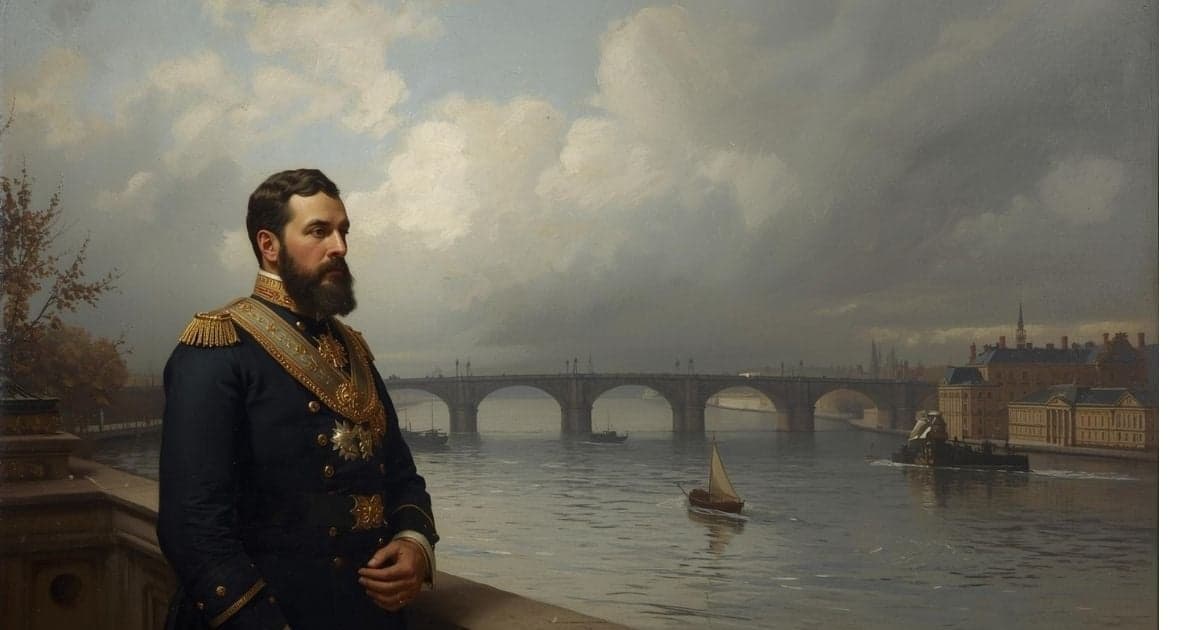
"he drew the glove from his shapely white hand, made a sign with it to the marshals, and ordered the action to begin."
Context: Sun clears mist; Napoleon starts the battle
Timing, not hurry, wins; he waited for sight.
In Today's Words:
When the sun clears the mist, Napoleon removes his glove and signals the marshals to begin. He waited until he could see the Russian center weaken. Before you act in chaos, ask what visibility the other side already has. Write what you saw before adrenaline writes the story for you.
Thematic Threads
Fog as Command Failure
In This Chapter
Troops cannot see ten paces yet must attack; officers wander without orders
Development
Weyrother's plan meets weather and friction before Napoleon strikes
In Your Life:
You might execute a perfect slide deck while nobody on the ground knows the next turn.
High Ground Clarity
In This Chapter
Napoleon sees Russians leaving Pratzen Heights; soldiers below hear only noise
Development
Austerlitz turns on who sees the center exposed
In Your Life:
You might watch leaders delay until a window opens while front lines blame each other.
You now have the context. Time to form your own thoughts.
Discussion Questions
This is not a test. Five prompts guide you through the chapter, from how it opens to how it closes, so you notice context and rhythm rather than facts to memorize. Sit with each question in your own words. When you see "One way to read it," treat it as a starting point, not the only answer.
- 1
Why do the soldiers compare the campfires to a regular Moscow?
analysis • surfaceOne way to read it
Many columns move together; the scale feels familiar and reassuring at first.
- 2
How does blame shift when the march stalls in fog?
analysis • mediumOne way to read it
Disorder spreads; soldiers blame Austrian guides and Germans instead of their own command.
- 3
When have you seen a partner team scapegoated during a confused rollout?
application • mediumOne way to read it
Name the delay and who was blamed. Andrew tracks the same pattern under fog.
- 4
What does Napoleon see that the marching Russians cannot?
application • deepOne way to read it
Russians descending the heights expose the center. He waits for sun, then attacks the key ground.
- 5
Why does Tolstoy call the coronation anniversary a great day for Napoleon?
reflection • deepOne way to read it
Personal triumph mood meets tactical patience; mood and timing align before he signals attack.
Critical Thinking Exercise
Find Your Hill Above the Fog
Think of a current situation in your life where there's confusion, mixed messages, or unclear expectations - maybe at work, in your family, or in your community. Write down what you can see clearly versus what's still 'foggy' to you. Then identify what questions you need to ask to get the clarity you need to navigate the situation successfully.
Consider:
- •What information are you missing that would help you understand the bigger picture?
- •Who has the authority to make decisions, and are they connected to what's actually happening on the ground?
- •What would happen if you waited for more clarity before taking action, versus jumping in now?
Journaling Prompt
Write about a time when you had to make a decision without having all the information you wanted. What did you do to get clarity, and what would you do differently now?
Coming Up Next...
Chapter 64: When Authority Meets Reality
The sun rises and the fog clears, revealing the true scope of Napoleon's trap. The battle that will reshape Europe is about to begin in earnest At eight o'clock Kutúzov leads Milorádovich's column to Pratzen; Prince Andrew expects his Toulon, planning contingencies while musketry sounds below. Kutúzov snaps at a general about defiling through village streets..