Chapter 40
When Opportunity Knocks During Crisis
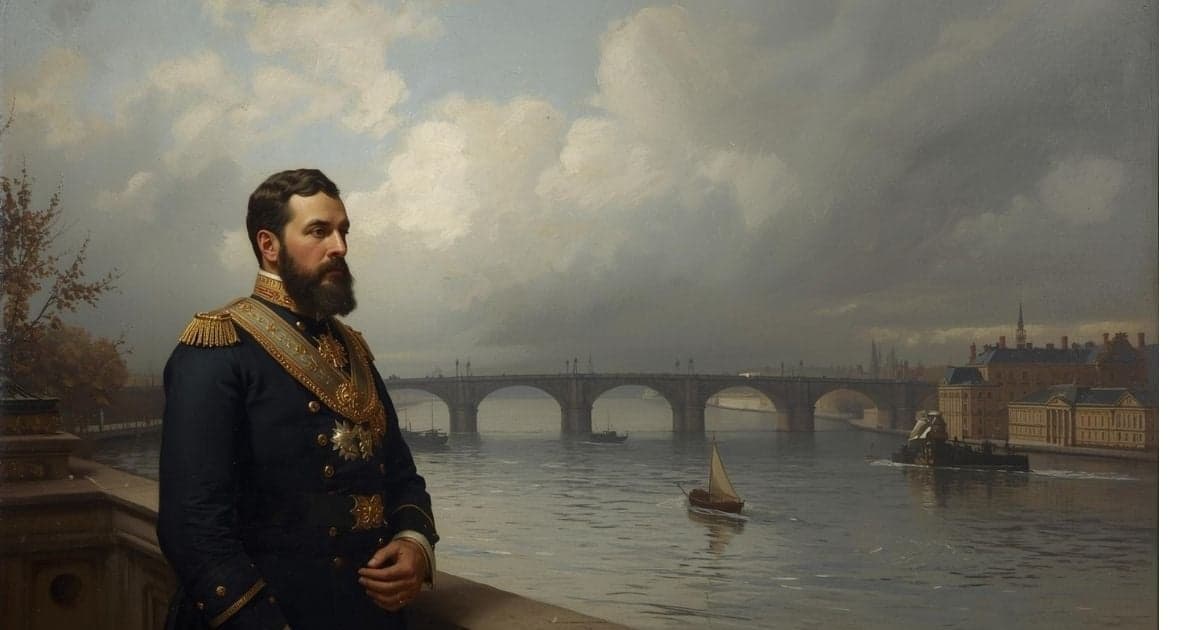
At the levee Prince Andrew stood among the Austrian officers as he had been told to, and the Emperor Francis merely looked fixedly into his face and just nodded to him with his long head. But after it was over, the adjutant he had seen the previous day ceremoniously informed Bolkónski that the Emperor desired to give him an audience. The Emperor Francis received him standing in the middle of the room. Before the conversation began Prince Andrew was struck by the fact that the Emperor seemed confused and blushed as if not knowing what to say. “Tell me, when…
Public-domain chapter text, formatted for reading.
Master this chapter. Complete your experience
Purchase the complete book to access all chapters and support classic literature
Available in paperback, hardcover, and e-book formats
Now let's explore the literary elements.
Key Quotes & Analysis
"The Emperor spoke as if his sole aim were to put a given number of questions—the answers to these questions, as was only too evident, did not interest him."
Context: Francis interviews Andrew about Krems
Ceremony replaces counsel. Andrew's prepared account is surplus.
In Today's Words:
The Emperor asks questions but does not care about answers. Ritual checklists often replace real listening. When a leader clocks times and miles while ignoring your report, stop performing detail they will not use. Save truth for someone who can act on it, and keep your full account for Kutuzov.
"you know the Thabor Bridge is mined and doubly mined"
Context: He narrates how French marshals seized the bridge
Bilibin turns catastrophe into story. Bluff beats mines when pride is managed.
In Today's Words:
Bilibin recounts French marshals joking their way onto a mined bridge. Charm and bluff can beat fortifications when defenders crave compliments. If negotiations feel too friendly while troops move, look at the bridge, not the handshake. Distraction is a tactic, not a mood, and rank does not make you immune.
"C’est... c’est du Mack. Nous sommes mackés"
Context: He sums up Austrian failure at the bridge
A new epigram names repeat collapse. Andrew hears comedy over annihilation.
In Today's Words:
Bilibin says it is Mack again, we are Macked, meaning the same blunder repeats. Labels like that help elites cope while armies bleed. When insiders joke about a fiasco with a nickname, ask who must still march into the gap. Wordplay is not a plan.
"To the army."
Context: He rejects Bilíbin's plea to stay as the French advance
Andrew chooses danger over safety. Crisis becomes personal destiny.
In Today's Words:
Andrew says he is leaving for the army, not the safe town. Crisis pulls some people toward the fire while others pack calèches. Notice whether you run toward the problem or away when the bridge falls. Your direction reveals which story you believe about yourself.
Thematic Threads
Ceremony Versus Counsel
In This Chapter
Francis asks times and miles while ignoring Andrew's battle account
Development
Court reward without strategic hearing
In Your Life:
You might get an award while leadership never uses your actual recommendations.
Opportunity in Collapse
In This Chapter
Bridge disaster makes Andrew picture saving the army like Napoleon at Toulon
Development
Ambition rekindles as danger grows
In Your Life:
You might volunteer for a rescue role when a project collapses, hoping it defines your career.
You now have the context. Time to form your own thoughts.
Discussion Questions
This is not a test. Five prompts guide you through the chapter, from how it opens to how it closes, so you notice context and rhythm rather than facts to memorize. Sit with each question in your own words. When you see "One way to read it," treat it as a starting point, not the only answer.
- 1
How does Emperor Francis conduct the audience with Andrew?
analysis • surfaceOne way to read it
He asks fixed questions about time, distance, and Schmidt without wanting real answers.
- 2
How do the French take the Thabor Bridge according to Bilíbin?
analysis • mediumOne way to read it
Marshals bluff under white flags, charm Auersperg, silence a sergeant, and seize the bridge.
- 3
When have you seen flattery enable a obvious disaster?
application • mediumOne way to read it
Name who was praised, who warned, and who was punished. The pattern matches Auersperg.
- 4
Why does Andrew compare the moment to Toulon?
application • deepOne way to read it
He wants one bold act to save the army and make his name. Crisis becomes fantasy.
- 5
Why does he leave for the army instead of Bilíbin's safe route?
reflection • deepOne way to read it
Ambition and duty outweigh comfort. He believes he is needed where defeat looms.
Critical Thinking Exercise
Spot the Setup
Think of a recent situation where someone praised you heavily before asking for something - a favor, money, agreement to something. Write down exactly what they said and how they said it. Then analyze: What did they compliment? How did it make you feel? What did they want? Did you give it to them?
Consider:
- •Notice if the praise was unusually specific or over-the-top compared to normal interactions
- •Pay attention to timing - did the request come immediately after the flattery?
- •Consider whether they praised something you're particularly proud of or insecure about
Journaling Prompt
Write about a time when someone's flattery made you ignore red flags or warning signs from others. What would you do differently now?
Coming Up Next...
Chapter 41: When Systems Collapse Around You
Andrew rushes toward what he believes will be his moment of destiny, but the reality of war may prove far different from his romantic dreams of glory. The French advance continues, and hard choices await..