Chapter 232
The Weight of Impossible Decisions
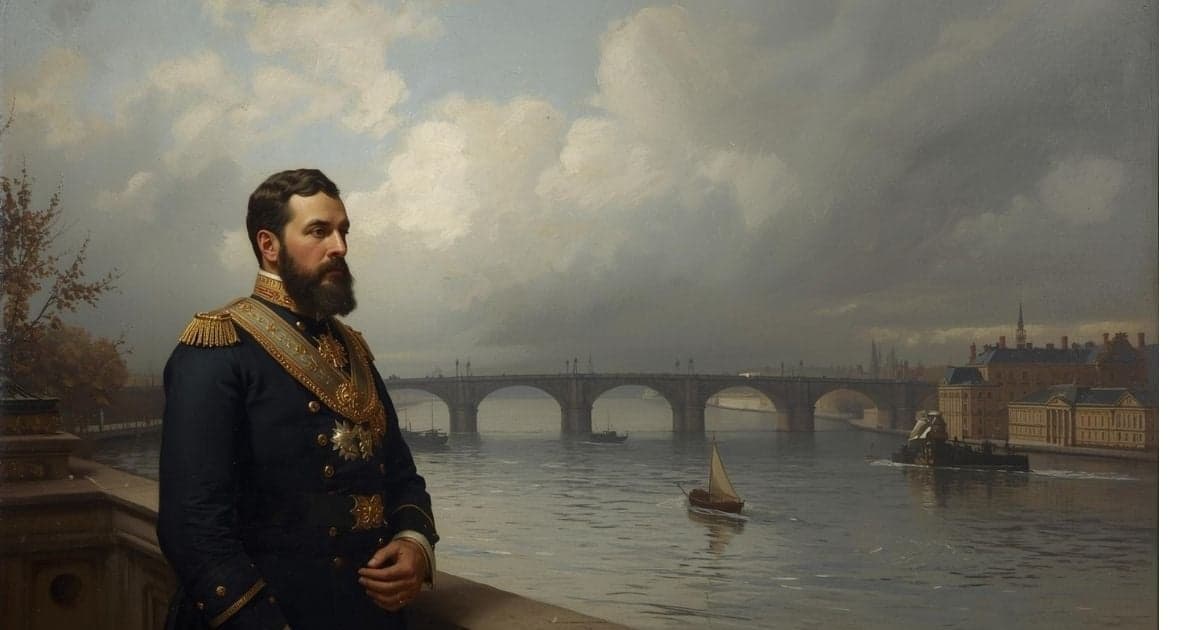
When Ermólov, having been sent by Kutúzov to inspect the position, told the field marshal that it was impossible to fight there before Moscow and that they must retreat, Kutúzov looked at him in silence. “Give me your hand,” said he and, turning it over so as to feel the pulse, added: “You are not well, my dear fellow. Think what you are saying!” Kutúzov could not yet admit the possibility of retreating beyond Moscow without a battle. On the Poklónny Hill, four miles from the Dorogomílov gate of Moscow, Kutúzov got out of his carriage and sat down on…
Public-domain chapter text, formatted for reading.
Master this chapter. Complete your experience
Purchase the complete book to access all chapters and support classic literature
Available in paperback, hardcover, and e-book formats
Now let's explore the literary elements.
Key Quotes & Analysis
"You are not well, my dear fellow. Think what you are saying!”"
Context: After Ermolov urges retreat before Moscow
Deflection as care.
In Today's Words:
Kutuzov takes Ermolov's hand, feels his pulse, and tells him to think what he is saying. He deflects retreat talk by diagnosing the messenger. Leaders sometimes delay truth by treating dissent as illness. Name who gains leverage and who bears the private cost once the room empties.
"to defend Moscow was a physical impossibility in the full meaning of those words, that is to say, so utterly impossible that if any senseless commander were to give orders to fight, confusion would result but the battle would still not take place."
Context: Listening to generals on Poklonny Hill
Impossible held.
In Today's Words:
Kutuzov knows defending Moscow is physically impossible; even a senseless fight order would produce confusion, not battle. Everyone already discusses what comes after abandonment. Name when debate is theater after the decision is made. Name who gains leverage and who bears the private cost once the room empties.
"Have I really allowed Napoleon to reach Moscow, and when did I do so? When was it decided? Can it have been yesterday when I ordered Plátov to retreat, or was it the evening before, when I had a nap and told Bennigsen to issue orders? Or was it earlier still?..."
Context: The terrible question with no answer
When decided.
In Today's Words:
Kutuzov asks when he allowed Napoleon to reach Moscow and cannot pinpoint the moment. Great turns feel like many small yeses in hindsight. Ask when your path became inevitable, not only who gave the last order. Name who gains leverage and who bears the private cost once the room empties.
"My head, be it good or bad, must depend on itself,” said he, rising from the bench, and he rode to Filí where his carriages were waiting."
Context: Ending the Poklonny Hill talks
Solo burden.
In Today's Words:
Kutuzov says his head must depend on itself and rides to Fili. He stops free conversation and carries the decision alone. Heavy command often ends in solitary motion toward the order. Name who gains leverage and who bears the private cost once the room empties.
Thematic Threads
Poklonny Theater
In This Chapter
Generals debate impossible defense
Development
Intrigue after decision
In Your Life:
You might see meetings after the outcome is known.
When Decided
In This Chapter
Kutuzov cannot date abandonment
Development
Many small moments
In Your Life:
You might ask when the path became fixed.
You now have the context. Time to form your own thoughts.
Discussion Questions
This is not a test. Five prompts guide you through the chapter, from how it opens to how it closes, so you notice context and rhythm rather than facts to memorize. Sit with each question in your own words. When you see "One way to read it," treat it as a starting point, not the only answer.
- 1
How does Kutuzov respond to Ermolov's retreat advice?
analysis • surfaceOne way to read it
He feels his pulse and tells him to think what he is saying.
- 2
What does Kutuzov think defending Moscow is?
analysis • mediumOne way to read it
A physical impossibility; even a fight order would not produce real battle.
- 3
Why do generals still debate the position?
application • mediumOne way to read it
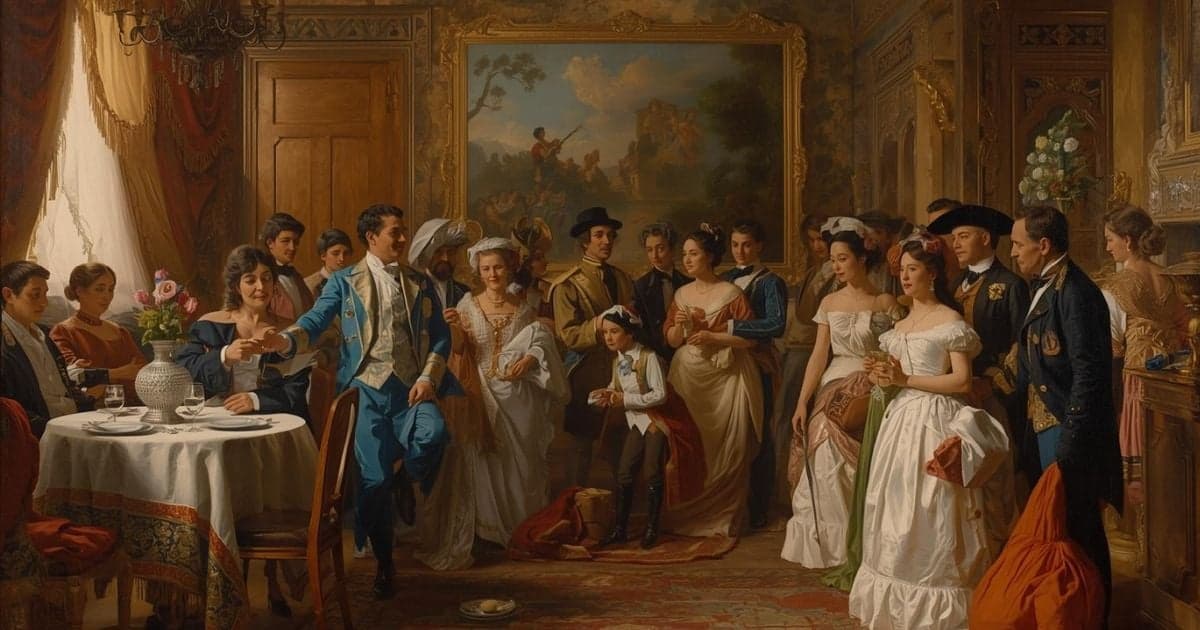
For intrigue and blame, especially Bennigsen pushing defense to fault Kutuzov.
- 4
What terrible question has no answer for Kutuzov?
application • deepOne way to read it
When he allowed Napoleon to reach Moscow and when abandonment was decided.
- 5
When have you seen a leader delay an inevitable order?
reflection • deepOne way to read it
Name the word that felt like resigning fate. Andrew maps Poklonny Hill.
Critical Thinking Exercise
Name the Impossible Choice
Think of a current situation in your life, workplace, or family where everyone is talking around a problem instead of naming it directly. Write down what the real constraints are versus what people are pretending the options are. Then identify what decision actually needs to be made.
Consider:
- •What makes speaking the truth feel dangerous or disloyal in this situation?
- •Who benefits from keeping the real constraints unnamed?
- •What would change if someone said the quiet part out loud?
Journaling Prompt
Write about a time when you had to make a decision that felt like betraying something important to you. How did you navigate choosing between competing loyalties or values?
Coming Up Next...
Chapter 233: The Burden of Impossible Choices
At Filí, Kutúzov must finally choose a course that will determine Russia's fate. Generals gather for a formal council where Moscow's destiny, and perhaps the war itself, will be decided in a room thick with fear and pride..