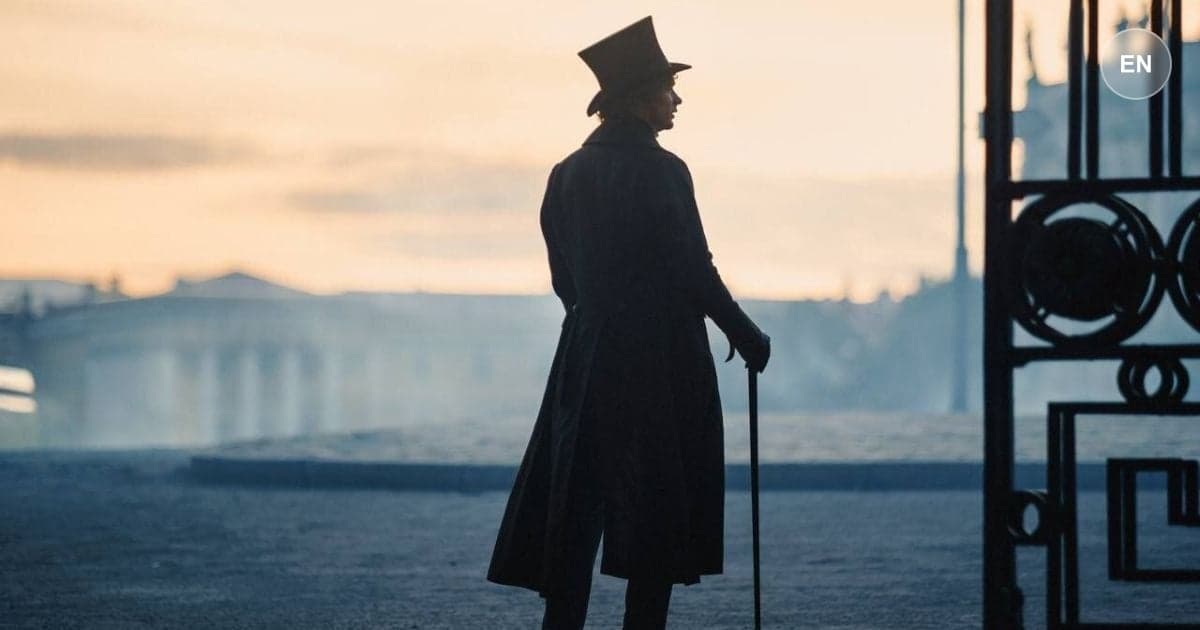
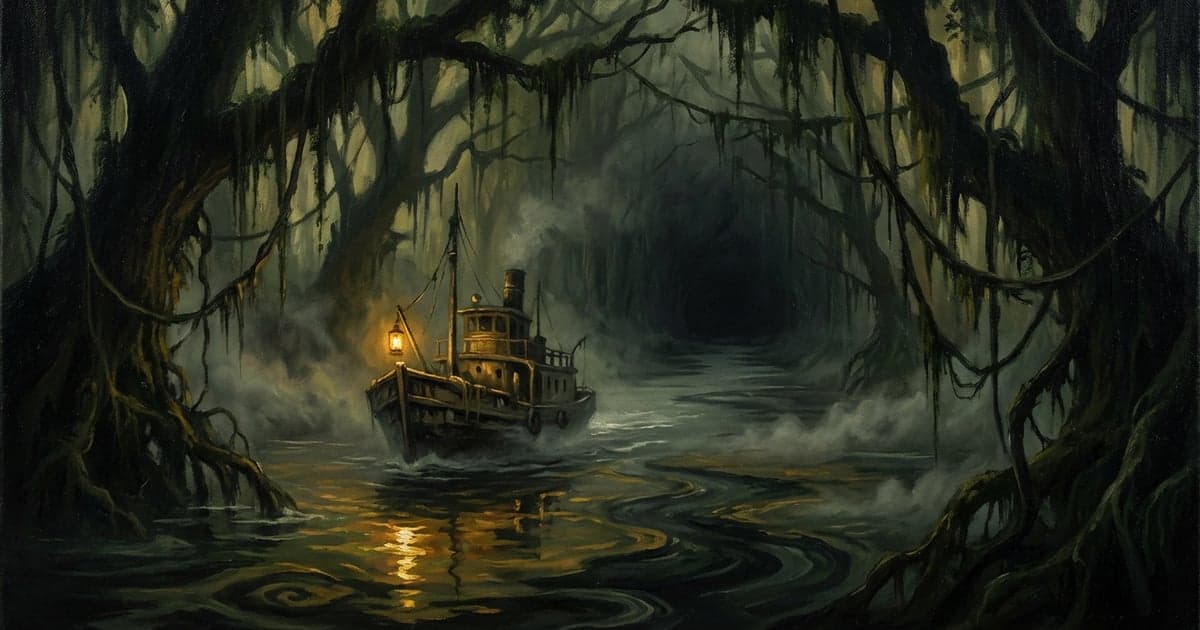
At nine the fourth horse has arrived. D'Artagnan and Planchet ride out in the dark toward St. Cloud. In the Bois de Boulogne Planchet draws level and talks of churches, muskets in the underwood, and the unpleasant play of Bonacieux's lips. D'Artagnan leaves him at a cabaret with half a pistole and goes on alone. At ten the belfry sounds. One window of the pavilion shows a mild light. He waits a full half hour without impatience. At half past ten a cold shiver takes him. At eleven he claps three times and no one answers.
He climbs a linden and looks in. The room is wrecked: a broken window, a door split on its hinges, an overturned supper, fruit crushed on the floor, and what he takes for bloody spots on the cloth. Below he finds hoofmarks, carriage tracks that turn back toward Paris, and a woman's torn scented glove. The ferryman says that about seven a young woman in a black mantle crossed, careful not to be known.
The old cottager, paid a pistole, tells the rest. Three cavaliers borrowed his ladder. A little old man in dark clothes climbed, looked in, and whispered, 'It is she!' A woman tried to throw herself from the window and was pulled back, then carried to the coach. D'Artagnan knows the tall dark leader: the man of Meung again. He tells himself the pavilion may not be hers, or that a jealous husband detained her, then the old man's story knocks those comforts down. He searches six cabarets for Planchet, then is compelled to drink and sit in the darkest corner until sleep takes him because he is twenty. At six, in the morning mist, he finds Planchet at the door of a blind tavern he had walked past without seeing.
Coming Up in Chapter 25
D'Artagnan does not go home. He runs up Tréville's stairs to tell the whole night. The captain listens as if it were more than a love affair, then says the business savours of his Eminence a league off, and that for the moment there is nothing to do but leave Paris.