Richelieu's last sentence from the day before lands like a blow. Buckingham has been in Paris. Louis XIII flushes and pales. The cardinal talks of Huguenots and Spain; the king talks of his honour, Madame de Chevreuse, and a wife he does not believe loves him. He wants the queen's papers. Richelieu will not search Anne of Austria with his own hands. He steers the job to M. de Séguier, keeper of the seals, and lets the king announce the visit himself. He even claims he has tried to prevent a rupture. Louis hears that as softness toward the queen and walks down the corridor to her rooms.
Anne is among her women, only half listening to a reading, turning over exile, divorce, and the friends her trust has ruined. The king stops in front of her, names the chancellor, and leaves by another door. Séguier arrives smiling and blushing, a former penitent who once rang a convent bell whenever temptation struck, until the monks lost their sleep, and who later earned the cardinal's trust by serving his hatred of the queen-mother and of Anne. He asks for her papers. She has the keys given up and lets him open twenty drawers. He already knows the letter of that day is not in a desk.
He says he must search the queen herself. She draws herself up and asks if he dares lift a hand to her. He answers that the king has authorised him to seek the paper on her person. Anne admits the letter is in her bosom and says she will give it only to the king. Séguier steps forward like a man looking for a bell rope that is not there. She goes pale, steadies herself on a table, and holds the paper out. He takes it unread to Louis. The letter asks her brother, the King of Spain, and the Emperor to press France until Richelieu is dismissed. It does not mention love. The king, glad to be wrong about Buckingham and right about a political plot, carries it to the cardinal.
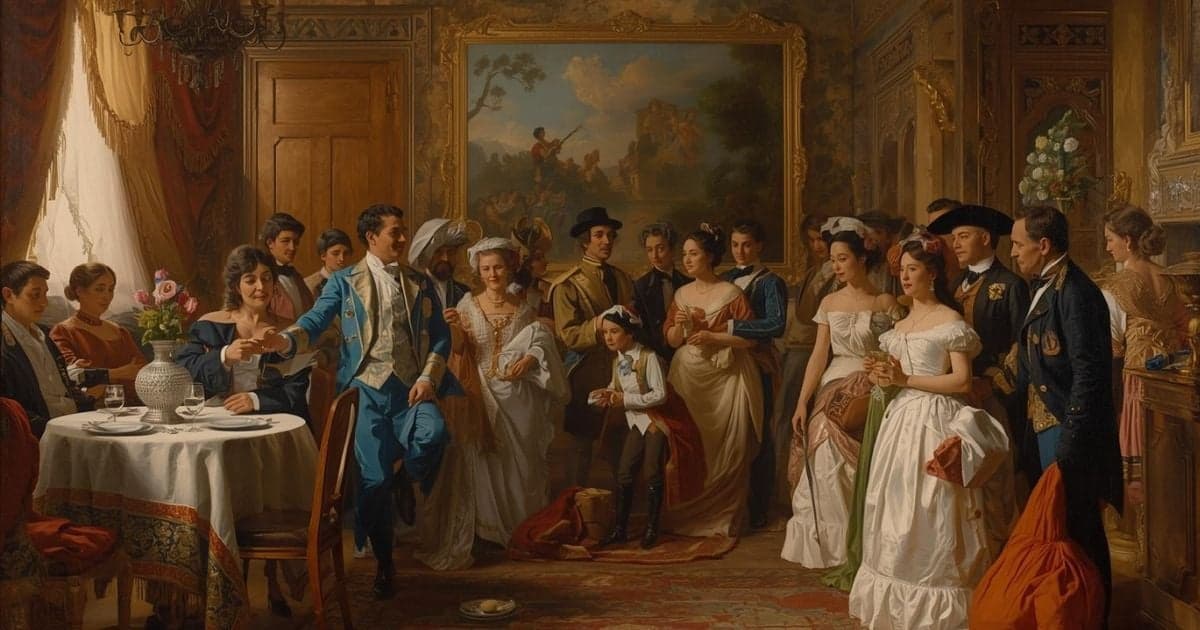
Richelieu reads it twice, offers to resign, and even offers to skip the siege of La Rochelle. Louis promises punishment. Then the cardinal changes tone. He begs clemency, says the king struck first by suspecting her, and proposes a ball, a rare pleasure, so that Anne can wear the diamond studs the king gave her on her birthday. Louis dislikes worldly fêtes, yet the idea of a wife guilty of politics and innocent of a lover makes him ready to mend the quarrel. The next day he tries a reconciliation. Her pride resists, then she lets the fête soften her face. For days the cardinal delays the date. On the eighth day a London letter arrives: the writer has the studs but cannot leave for want of money. Richelieu counts the crossings, names the aldermen's fête on the third of October, and adds one last instruction. The evening before the ball, the king should tell the queen he wants to see how those diamond studs become her.
Coming Up in Chapter 17
It is the second time the cardinal has mentioned those studs. Louis, tired of knowing less than his minister even in his own house, goes to the queen with fresh menaces, then tells her she must wear the birthday diamonds at the Hôtel de Ville ball.