Chapter 15
That evening Dorian arrives at Lady Narborough's in Parma violets a...
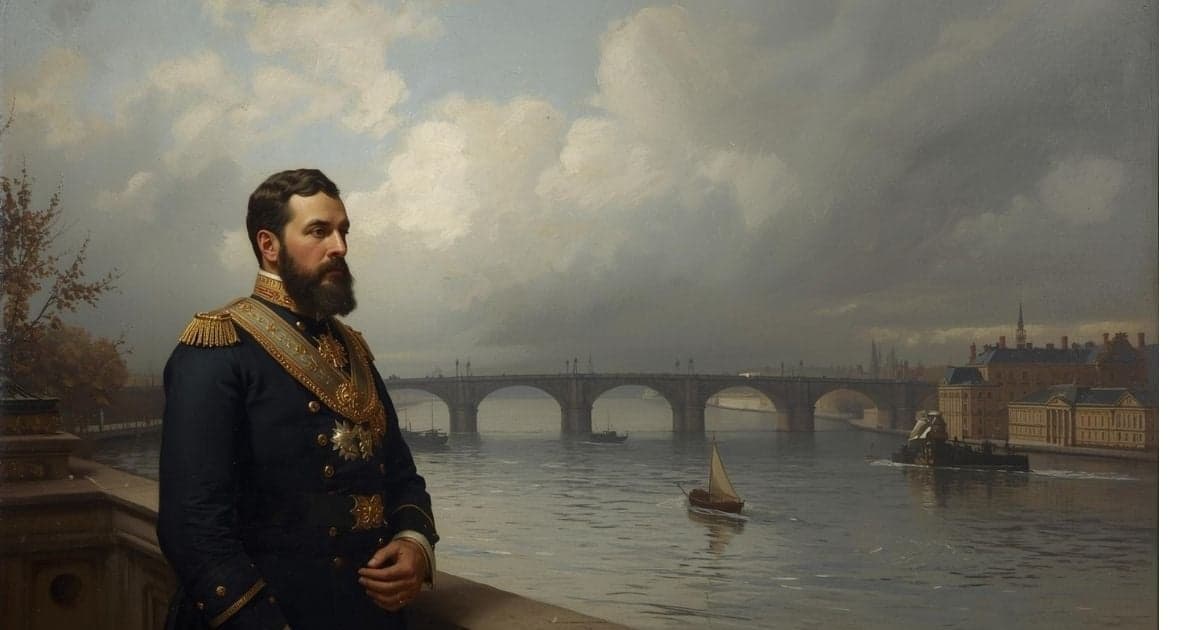
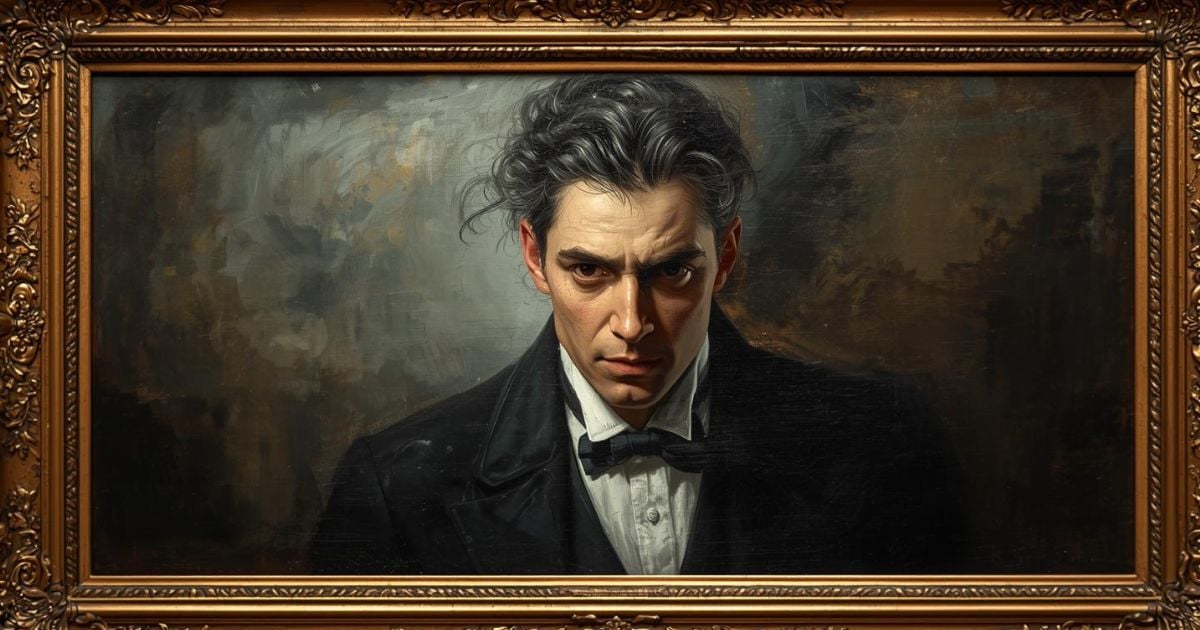
That evening, at eight-thirty, exquisitely dressed and wearing a large button-hole of Parma violets, Dorian Gray was ushered into Lady Narborough’s drawing-room by bowing servants. His forehead was throbbing with maddened nerves, and he felt wildly excited, but his manner as he bent over his hostess’s hand was as easy and graceful as ever. Perhaps one never seems so much at one’s ease as when one has to play a part. Certainly no one looking at Dorian Gray that night could have believed that he had passed through a tragedy as horrible as any tragedy of our age. Those finely…
Public-domain chapter text, formatted for reading.
Master this chapter. Complete your experience
Purchase the complete book to access all chapters and support classic literature
Available in paperback, hardcover, and e-book formats
Now let's explore the literary elements.
Key Quotes & Analysis
"Perhaps one never seems so much at one's ease as when one has to play a part."
Context: Dorian performs grace at Lady Narborough's hours after murdering Basil
Wilde links social polish to moral performance: the smoother the surface, the harder someone may be working to hide catastrophe.
In Today's Words:
When someone is effortlessly charming right after a crisis you did not witness, ask what labor that ease is costing them. Performance that arrives too quickly often means the truth is being managed in another room. Charm after harm is a signal, not proof of innocence.
"Life is a great disappointment."
Context: Dorian sighs during talk of marriage and fashionable virtue
He speaks from the hollow center of a man who got what he wished for and found it empty.
In Today's Words:
Disappointment after getting what you wanted is a different problem from ordinary sadness. It often means the bargain traded conscience for sensation and the account is coming due. Listen when pleasure curdles into weariness at the very table where you still look enviable to everyone watching.
"I always want to forget what I have been doing."
Context: Dorian deflects Lord Henry's questions about the previous night
He admits the real motive behind evasion: not privacy but amnesia.
In Today's Words:
People who dodge questions because they want to forget, not because the details are boring, are managing guilt rather than schedule. When someone invites you to stop asking, ask what memory they are trying to starve. A friend's casual tone does not make the timeline less precise.
"Certainly no one looking at Dorian Gray that night could have believed that he had passed through a tragedy as horrible as any tragedy of our age."
Context: The narrator contrasts Dorian's appearance with the murder upstairs
Beauty and manners function as alibis that polite society is eager to accept.
In Today's Words:
A flawless surface can make witnesses doubt their own knowledge of what happened hours earlier. Before you let appearance settle a moral question, remember who benefits when the room chooses not to believe the tragedy occurred. Charm is not character, especially when the smile arrives on schedule.
Thematic Threads
Identity
In This Chapter
Dorian performs Prince Charming while his nerves remember blood
Development
The split between face and deed widens into public theater
In Your Life:
You might notice when your polished self is working overtime to outrun a private rupture
Human Relationships
In This Chapter
Henry's questions probe the cover story friendship almost exposes
Development
Intimacy becomes risk when someone starts comparing your alibi to the clock
In Your Life:
You might see how close friends can undo a lie with one well-timed question
Consequences
In This Chapter
Burning Basil's belongings cannot burn the portrait upstairs
Development
Physical cleanup follows moral rupture but does not close it
In Your Life:
You might ask what evidence you are destroying while the real record remains elsewhere
Escape
In This Chapter
Dorian ends the chapter heading toward opium and the river
Development
Respectable numbness fails and stronger anesthesia is sought
In Your Life:
You might recognize the moment respectable coping gives way to dangerous flight
Class
In This Chapter
He leaves a duchess's drawing-room for the East End at midnight
Development
Privilege allows the same body to move between worlds of performance and ruin
In Your Life:
You might see how wealth lets shame travel in a hansom instead of on foot
You now have the context. Time to form your own thoughts.
Discussion Questions
This is not a test. Five prompts guide you through the chapter, from how it opens to how it closes, so you notice context and rhythm rather than facts to memorize. Sit with each question in your own words. When you see "One way to read it," treat it as a starting point, not the only answer.
- 1
Why does Dorian feel the terrible pleasure of a double life at the party?
analysis • surfaceOne way to read it
He discovers that beauty and manners can contradict murder without the room noticing, which intoxicates as much as it terrifies.
- 2
What makes Lord Henry's questions about the previous night so threatening?
analysis • mediumOne way to read it
They are social but precise, testing whether Dorian's alibi can survive a friend who enjoys watching people perform.
- 3
Why does Dorian burn Basil's coat and bag before leaving for the East End?
application • mediumOne way to read it
He is destroying physical evidence while admitting that respectable life can no longer hold his dread.
- 4
How does Wilde use dinner-table wit to delay moral reckoning?
application • deepOne way to read it
Epigrams about marriage and disappointment let Dorian sound worldly while avoiding the one subject that would undo him.
- 5
When have you seen someone perform normalcy too perfectly after a hidden rupture?
reflection • deepOne way to read it
Excessive ease after harm often means the performance has become the priority.
Critical Thinking Exercise
Stress-Test the Party Face
Recall a time you appeared composed while something serious had just happened offstage. List three details that sold the performance (dress, wit, appetite) and three that nearly broke it (a question, a flush, a contradiction). Map Dorian's night the same way: Parma violets, untouched plates, Henry's where-were-you, then fire, opium box, and midnight flight.
Consider:
- •Notice whether charm arrived before anyone asked a hard question
- •Ask what evidence had to be destroyed after the room believed you
- •Consider whether flight to a rougher world followed the polished act
Journaling Prompt
Write about a time a well-timed question almost collapsed your cover story. What saved you, and what should have?
Coming Up Next...
Chapter 16
At midnight Dorian slips out in a muffler, hires a hansom through the rainy East End, and rides toward the opium dens where he hopes sensation can cure a soul that murder has made unbearable..